
Rosan Roeslani: Phase II Downstreaming to Strengthen National Energy Resilience
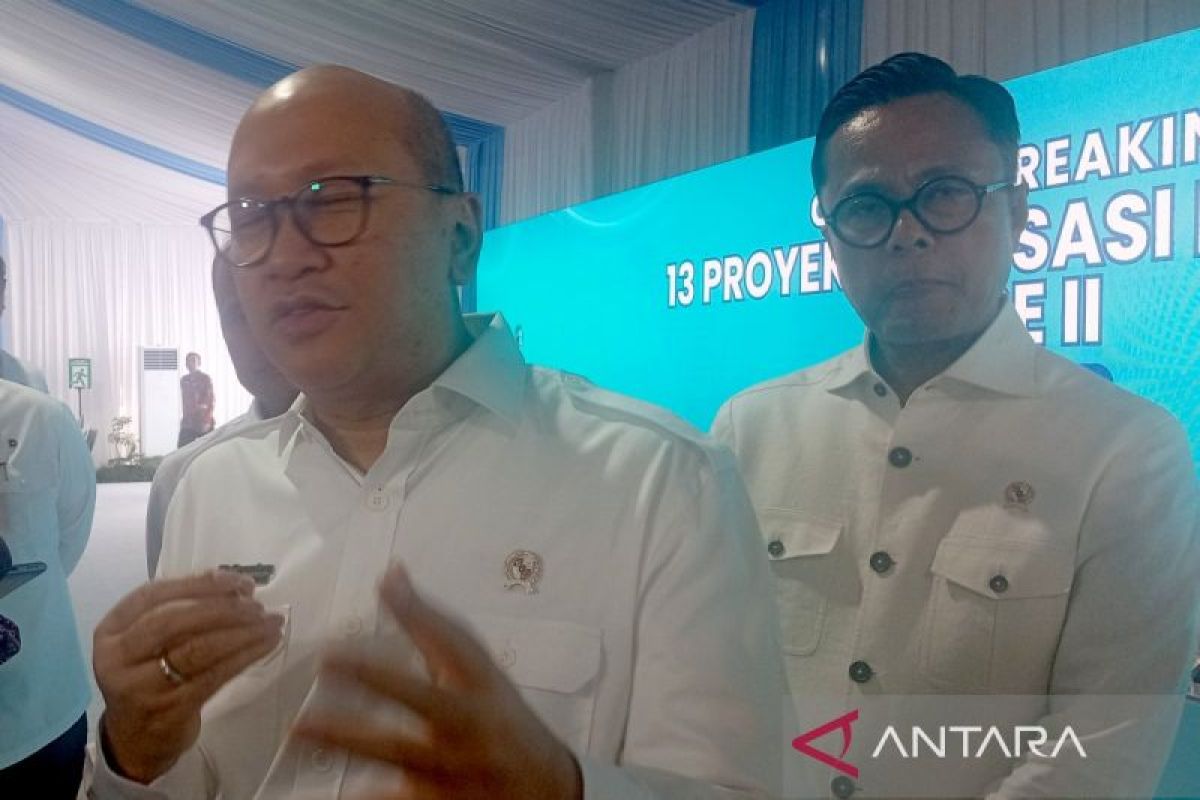
Chief Executive Officer (CEO) of the Investment Management Agency Daya Anagata Nusantara (Danantara Indonesia), Rosan Roeslani, stated that the implementation of 13 national downstreaming projects in Phase II will strengthen energy resilience while driving large-scale job creation.
At the Groundbreaking Ceremony for 13 National Downstreaming Projects Phase II, attended by President Prabowo Subianto at the Pertamina Patra Niaga Refinery Unit (RU) IV Cilacap in Central Java on Wednesday, he said the downstreaming programme, now entering its second phase, is a continuation of the first phase that began on 6 February 2026.
“This programme is the second phase, where the first phase has already been implemented as part of the mandate given to us,” he said.
He stated that the groundbreaking for these projects is being carried out simultaneously as a step to accelerate the development of value-added industry-based construction.
According to him, the downstreaming projects not only focus on processing natural resources but also have a broad impact on the national economy.
“From the projects we are running, they will create jobs reaching approximately 600,000,” he said.
He detailed that the projects cover the energy and mineral sectors, including the construction of facilities to process coal into dimethyl ether (DME) as a substitute for imported LPG.
“About 80 percent of our LPG needs still come from imports. With this downstreaming, we want to reduce that dependency,” he said.
After the event, Rosan said the second phase groundbreaking had been directly officiated by the President at several locations simultaneously.
“Alhamdulillah, the groundbreaking for the national downstreaming projects phase two has been directly officiated by the President at 13 locations simultaneously, with some presented via video conference,” he said.
He stated that the second phase is a continuation of the first phase which covered 11 locations, with the total projects now spread across various strategic regions.
According to him, the projects consist of five in the energy sector, five in the mineral sector, and three other projects related to industry and supporting technology.
Rosan added that all projects have gone through a long process, from studies to planning, so they are expected to be realised optimally as soon as possible.
He also emphasised that one of the main benefits of the downstreaming programme is the reduction of imports, particularly in the energy sector.
“If we look at it, the import reduction from these projects could reach around $3.4 billion per year,” he said.
In addition, the projects are being carried out by various state-owned enterprises (SOEs), such as Pertamina, MIND ID, Krakatau Steel, and several other red-plate companies, with financing and acceleration support from Danantara.
“This is a joint collaboration among SOEs, and we are pushing for the acceleration of projects that were previously planned,” he said.
Rosan also revealed that the government is preparing a third phase of downstreaming, estimated to include around six additional projects with larger investment values.
“For the third phase, the value could reach around $10 billion or approximately Rp170 trillion,” he said.
He stated that the projects in the next phase will not only focus on energy and minerals but will also begin to expand into other sectors such as plantations and aquaculture.
According to him, the development of these sectors is expected to provide broader economic impacts, including for communities around the project locations.
“Going forward, we will also promote sectors like agriculture, fisheries, including commodities like tilapia and seaweed,” he said.
Rosan affirmed that the entire downstreaming programme will continue to be implemented with principles of good governance and thorough planning to deliver optimal results for the national economy.
With the programme continuing to the next phases, the government is optimistic that downstreaming can become a main pillar in strengthening energy resilience, reducing imports, and enhancing the competitiveness of the national industry.
Source: jawawa.id (https://jawawa.id/newsitem/rosan-roeslani-phase-ii-downstreaming-to-strengthen-national-energy-resilience-1777460479)
Originally published by Antara (Indonesian) (https://www.antaranews.com/berita/5547372/rosan-roeslani-hilirisasi-tahap-ii-perkuat-ketahanan-energi-nasional), translated from Indonesian