
Rosan Reveals Energy Transition Investment Drivers: From EVs to Biofuels
The Indonesian government identifies three energy transition sectors with the potential to drive future investment in the country: electrification, cleaner downstreaming, and the development of biofuels.
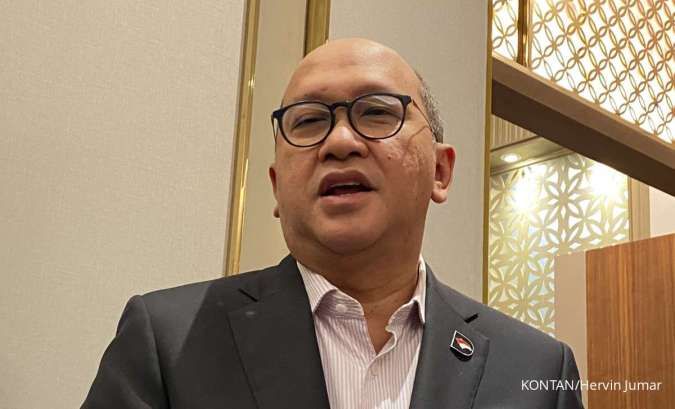
Rosan Roeslani, Minister of Investment/Head of BKPM and CEO of the Daya Anagata Nusantara Investment Management Agency (BPI Danantara), stated that Indonesia is in a strong position within the global energy transition, given its reserves of nickel, bauxite, copper, and other critical minerals. The government is also building an integrated ecosystem connecting mining, processing, manufacturing, clean energy, and technology through a downstreaming strategy.
Rosan noted that BKPM recorded Indonesian investment realisation reaching over US$120 billion in 2025, a 12.7% year-on-year growth, creating more than 2.7 million jobs. Meanwhile, in the first half of 2026, investment realisation reached US$61 billion, up 7.2% YoY, absorbing approximately 1.45 million workers. According to Rosan, investment in downstream industries now accounts for about 30% of total national investment and continues to show growth from both domestic and international investors.
He revealed that incoming investment is most prominent in three main sectors: electrification, cleaner downstreaming, and biofuel development. Investment in the electrification sector is expanding from mining and battery cell production to electric vehicles (EV). Indonesia currently possesses battery cell production facilities through collaborations with Hyundai, CATL (Contemporary Amperex Technology Co., Limited), and IBC (Indonesia Battery Corporation), a state-owned enterprise. Production has been operating gradually since August.
Regarding electric vehicles, Rosan revealed that approximately one in six new cars sold in Indonesia is currently a battery electric vehicle (BEV), with two-thirds of those electric vehicles being assembled domestically.
Secondly, cleaner downstreaming. According to Rosan, the next phase of downstreaming development will be determined by the energy sources used to operate smelters and processing industries. Solar, hydro, geothermal, and energy storage technologies are considered potential investment sources. Indonesia is estimated to have a renewable energy potential of almost 3,700 gigawatts (GW), though current utilisation is less than 1%, or approximately 15.4 GW. The 100 GW solar power plant (PLTS) development programme launched by the President in August provides national scale to renewable energy development.
In terms of biofuels, Rosan noted that within two months of implementation, B50 has been available at around 94% of Pertamina gas stations. In addition to biodiesel, the government is preparing the development of other low-emission fuels. Regulations have mandated a 5% ethanol blend for non-subsidised petrol across Java, as well as the implementation of sustainable aviation fuel (SAF) starting in 2027.
Rosan also highlighted the significant investment opportunities at the intersection of the energy transition and the digital economy. He noted that the development of artificial intelligence (AI) will require support from electricity, transmission networks, industrial land, connectivity, and adequate digital infrastructure. “In other words, the future of AI will be linked to infrastructure. Indonesia possesses the market scale and geographical position to become a major digital infrastructure destination in Asia,” Rosan concluded.
Source: jawawa.id (https://jawawa.id/newsitem/rosan-reveals-energy-transition-investment-drivers-from-evs-to-biofuels-1791276758)
Originally published by nasional.kontan.co.id (https://nasional.kontan.co.id/news/rosan-ungkap-sektor-penggerak-investasi-transisi-energi-dari-ev-hingga-biofuel), translated from Indonesian