
Rosan Reports Q2 Investment Realisation at Rp511.8 Trillion, H1 2026 Total Reaches Rp1,010.6 Trillion
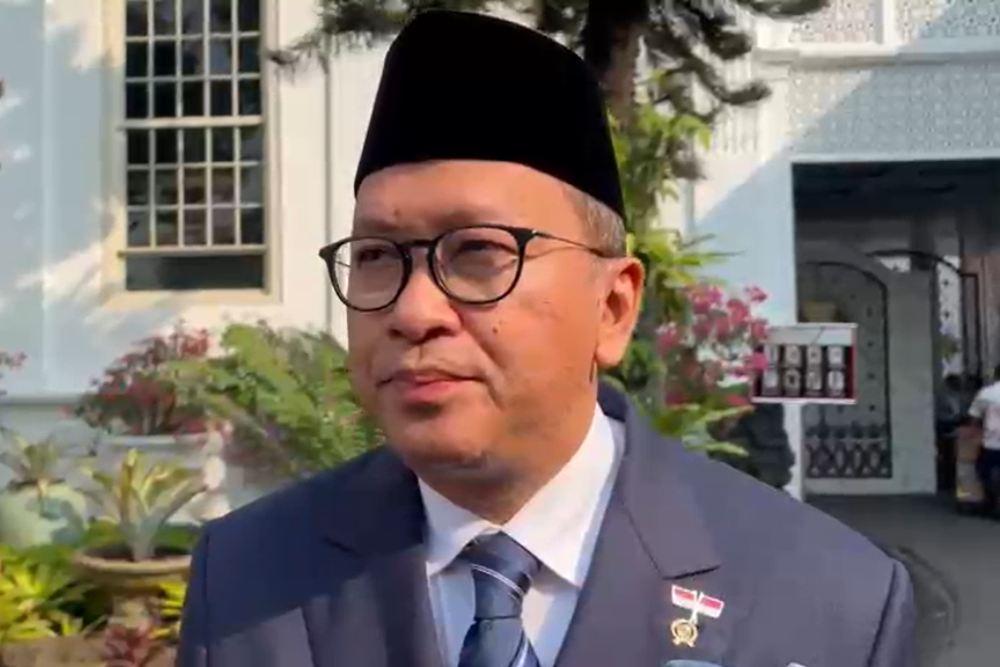
Investment Minister and Head of the Investment Coordinating Board (BKPM) Rosan Perkasa Roeslani reported the realisation of investment for the first semester of 2026 to the President at the Presidential Office in Jakarta on Thursday (16/7/2026). According to his presentation, investment realisation in the second quarter of 2026 reached Rp511.8 trillion, bringing the total for the first half of 2026 to approximately Rp1,010.6 trillion, or 49.5 per cent of the national investment target of Rp2,041.3 trillion. “Investment realisation in the second quarter of 2026 reached Rp511.8 trillion, growing 7.1 per cent year-on-year,” said Rosan. This figure is higher than the first quarter’s realisation of Rp498.8 trillion, indicating that the investment trend remains robust amid global economic dynamics. In terms of composition, Foreign Direct Investment (FDI) was slightly larger at Rp257.7 trillion, accounting for 50.4 per cent of the total Q2 investment, while Domestic Direct Investment (PMDN) reached Rp254.1 trillion, or 49.6 per cent. Regionally, investment outside Java continued to dominate with a 51 per cent contribution, or approximately Rp256.5 trillion, while investment in Java accounted for 49 per cent, or around Rp255.3 trillion. “This shows that efforts to distribute investment across various regions are ongoing,” Rosan stated. Beyond driving economic growth, the Q2 investment realisation also had a significant impact on job creation, absorbing 742,293 Indonesian workers, a 5.1 per cent increase compared to the same period the previous year. The government remains optimistic that the positive investment trend will continue into the second half of 2026 to meet the national target and further strengthen economic growth, equitable development, and job creation across regions.