
Robots Give Up, Unable to Replace Human Workers in E-commerce Warehouses
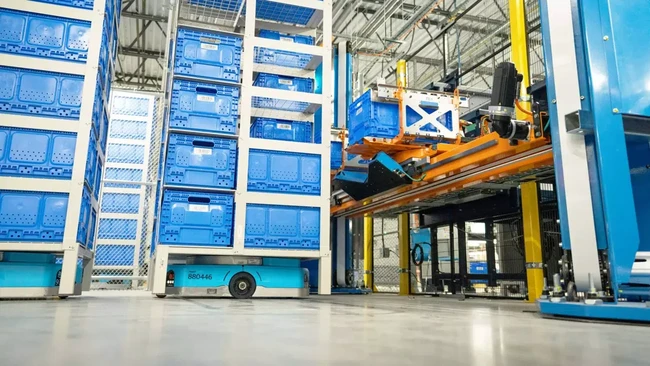
Retail giant Walmart has poured billions of dollars into replacing human labour with robots in its warehouses. In practice, however, the advanced machines have struggled to perform tasks that people consider simple, according to a report cited on Monday (12 October 2026).
The Wall Street Journal reported that even a seemingly straightforward job—taking items from cardboard boxes and packing them—has proved too difficult for the robots installed by Walmart. Wheeled machines deployed in dozens of warehouses can lift small items, but fail to move larger, heavier objects such as bags of pet food. The robots also break down frequently.
Walmart previously said warehouse workers displaced by robots would be reassigned to human roles managing the machines and carrying out repairs. But the salaries of those engineers have proved more expensive than the wages of the ordinary workers they replaced.
Many companies face similar difficulties. Amazon is also trying to automate its warehouses, in what analysts have described as an “automation arms race”.
The results, however, have not been as promising as predicted. Kroger was forced to write off US$2.6 billion after its network of automated warehouses failed to generate a profit.
Bipedal robots being developed by many companies are still far from ready for routine physical work. Warehouses are full of unpredictable factors, including dropped goods, variations in packaging and items being moved. These conditions are much more complex than those encountered by robots in laboratories.
There have long been concerns that workers would lose their livelihoods as machines replaced them. But the reality on the ground points to a different picture: the ability of human hands and eyes to adapt to unexpected situations remains difficult to replicate.