
Robotic Surgery Innovation in Indonesia Enhances Precision and Patient Safety
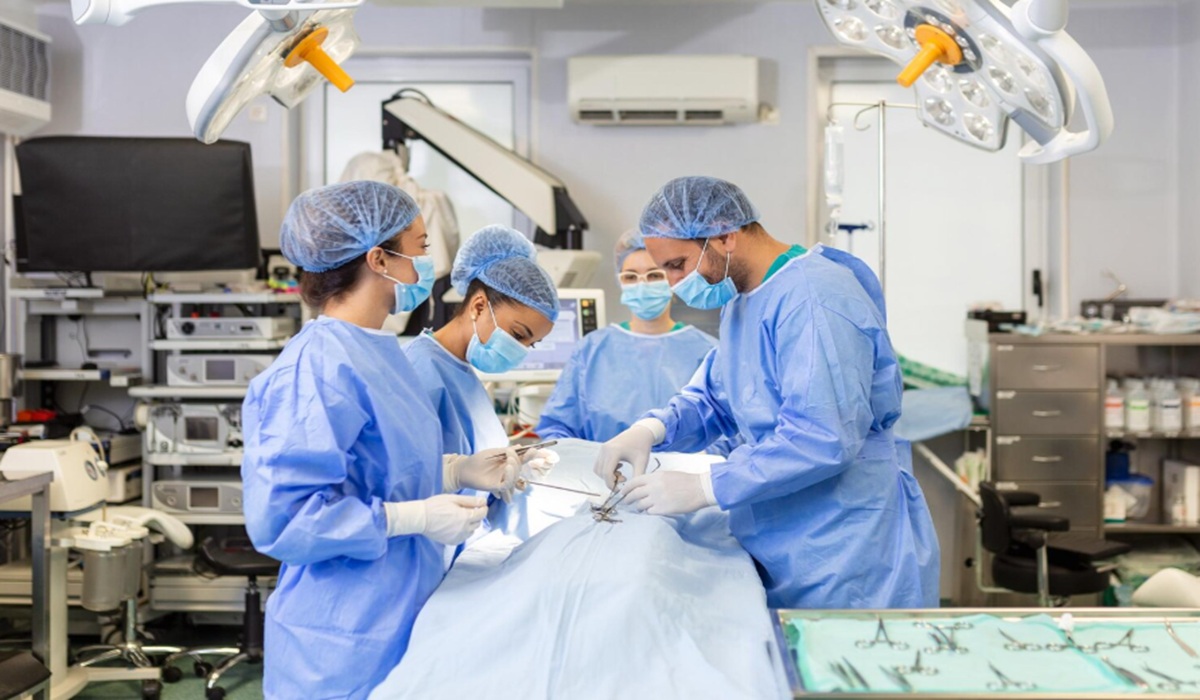
Medical technology in Indonesia has entered a new chapter with the increasingly widespread use of robotic surgery systems across various medical disciplines. This innovation offers a solution for patients requiring medical procedures with a high degree of precision, lower risk of complications, and far shorter recovery times compared to conventional methods.
The technology has been applied across a range of specialities, from orthopaedics and urology to digestive surgery and neurology. With infrastructure spread across major cities such as Jakarta, Surabaya, Bali and Makassar, public access to high-technology healthcare services is now widening, without patients needing to seek treatment abroad.
Siloam International Hospitals has been one of the institutions aggressively strengthening its clinical capabilities through this robotic surgery ecosystem. Over the past year, Siloam has operated seven robotic systems, making it one of the most comprehensive providers of robotic surgery services in the country.
Beyond simply procuring advanced equipment, Siloam has built a sustainable foundation encompassing physician competency development, strict clinical governance, and the use of research data to measure patient outcomes. Collaboration with various centres of excellence worldwide has also been undertaken to ensure every innovation delivers tangible benefits for patient safety.
The use of robotic technology, such as the Da Vinci Xi system, has had a significant impact on the quality of medical procedures. Research data shows the technology offers greater precision, lower complication risk, and shorter recovery times than conventional methods.
As part of developing this ecosystem, Siloam Hospitals Kebon Jeruk has been designated a Centre of Robotic and Minimally Invasive Surgery. The centre serves as a hub for education, research and multidisciplinary robotic surgery development. Since launching the Da Vinci Xi system in 2025, the hospital has carried out more than 100 robotic surgery procedures supported by ten certified specialists.
Caroline Riady, Chief Executive Officer of Siloam International Hospitals, stressed that healthcare transformation occurs when innovation is applied responsibly. “We are not merely bringing in technology, but building an ecosystem that includes investment in physician competence and a culture of continuous learning to produce better clinical outcomes,” she said.
Dr Grace Frelita, MM, Chief Medical Officer of Siloam International Hospitals, presented the results of an internal evaluation through the Siloam Knee Arthroplasty Registry. The data shows clear advantages for robotic-assisted knee surgery compared to conventional methods.
Patients have experienced the benefits first-hand, including Sutinah Irsan, who underwent a Total Knee Replacement (TKR) using ROSA® Knee Robotic Surgery technology. She reported that her recovery progressed very quickly with minimal pain.
To celebrate these achievements and accelerate knowledge transfer, Siloam is hosting the Siloam Robotic Summit 2026 under the theme “Transforming Surgery Through Robotics: Advancing Precision Across Surgical Disciplines”. The event brings together more than 30 medical experts from Indonesia and abroad.
Dr Yanti Herman, SH, MH.Kes, Director of Referral Healthcare Service Development, expressed appreciation for the initiative, saying robotic surgery innovation strengthens the capabilities of the national health system.
“The government appreciates efforts to strengthen the competence of health workers whilst encouraging the use of technology to improve the quality of services for the Indonesian people,” she concluded.