
RMI proposes risk mitigation to expand electric motorcycle financing
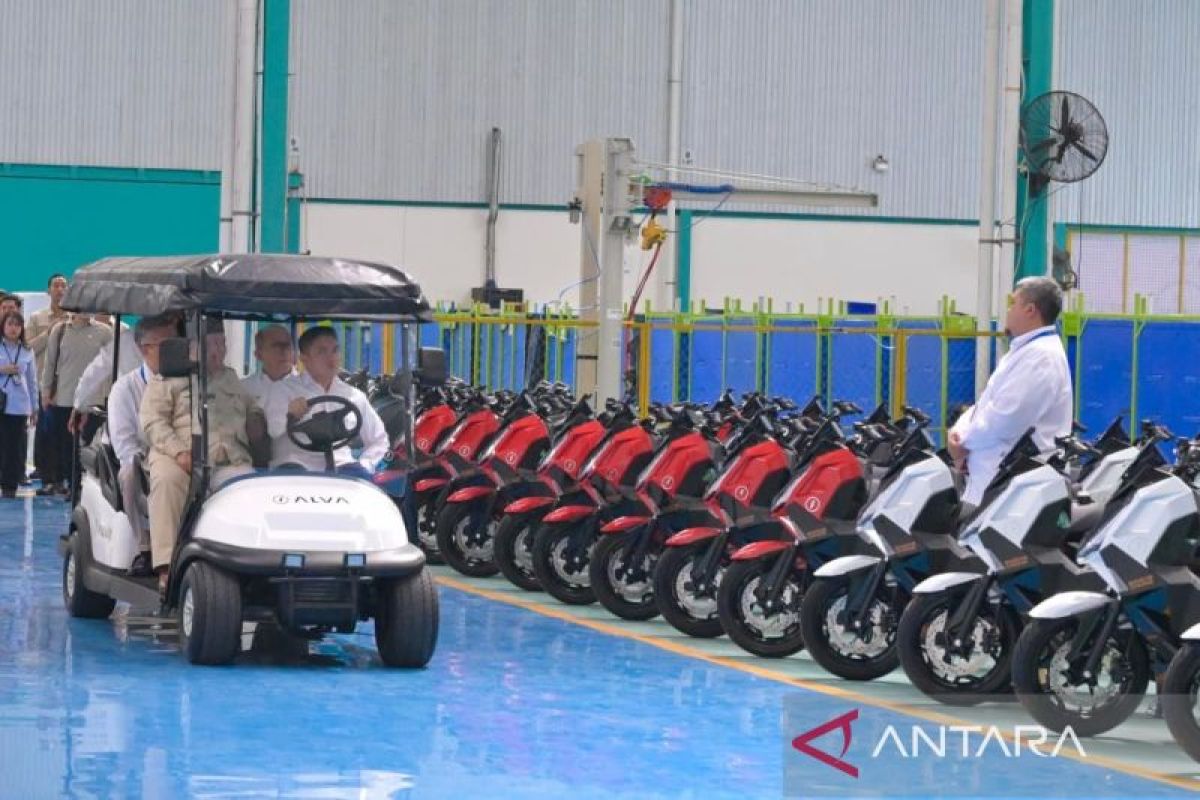
A report by RMI, a non-profit organisation focused on global energy system transformation, recommends strengthening risk mitigation to expand electric motorcycle financing in Indonesia. Based on data from the Financial Services Authority (OJK), RMI noted that electric vehicle financing by the multifinance industry grew 34.7 percent year-on-year to Rp24.60 trillion as of June 2026, yet this growth does not indicate that all electric vehicle segments have a mature financing market. Lower lending rates alone are deemed insufficient to drive sustainable growth in electric vehicle financing.
RMI Principal Wini Rizkiningayu said the latest RMI report, titled Mobilizing Electric Two-Wheeler Finance in Indonesia, maps three main risks influencing financing institutions’ decisions: product and technology risk, vehicle resale value, and uncertainty over demand and policy. To address these three risks, RMI recommends a comprehensive risk reduction framework through four main interventions to expand electric motorcycle financing.
First, capital and credit enhancement mechanisms to reduce lender risk while lowering capital costs in the early stages of market development. Second, innovative business models to improve the financing viability of electric two-wheeler assets through demand aggregation, risk redistribution, and the creation of more predictable cash flows. Third, asset value protection mechanisms to strengthen confidence in long-term vehicle performance and asset value recovery. Fourth, market infrastructure interventions to build the information and institutional foundations needed for data-driven credit risk assessment, insurance pricing, and asset valuation.
The RMI report also notes that electric motorcycle financing remains concentrated among a number of multifinance companies, while direct involvement of commercial banks remains limited. Additionally, the initial price of electric motorcycles remains a major obstacle for consumers even though energy and operational costs of electric vehicles are relatively lower.
“Better financing can help more consumers access the benefits of electric motorcycles, but expanding the market will require greater confidence and support from financing institutions,” Wini said.
Chairman of the Indonesian Electric Motorcycle Industry Association (AISMOLI) Budi Setiyadi said the industry needs to improve the bankability of electric motorcycles so that financing can develop more broadly. “Electric motorcycle financing is not enough just to be made cheap; the product must also become more bankable. Warranties, after-sales service, battery health transparency, and more measurable resale value will increase financing companies’ confidence in electric motorcycle assets,” he said.
According to him, the easier product risk is to assess, the greater the room for financing institutions to expand credit distribution. “In the long term, the industry needs to build a market that does not depend solely on government incentives,” he said.
The government itself has begun to place financing as an important part of the National Electric Motorcycle Programme (Molinas). At the programme’s launch on 13 August 2026, President Prabowo Subianto said the government would seek lower instalment interest rates and zero down payment purchases of electric motorcycles.
Indonesia targets an electric motorcycle population of 13 million units by 2030. However, based on data processed by the Ministry of Industry, the total electric motorcycle population had only reached 242,909 units as of April 2026.