
Riyadh-Istanbul Axis: Building Steel Rails and Strategic Independence for the Islamic World
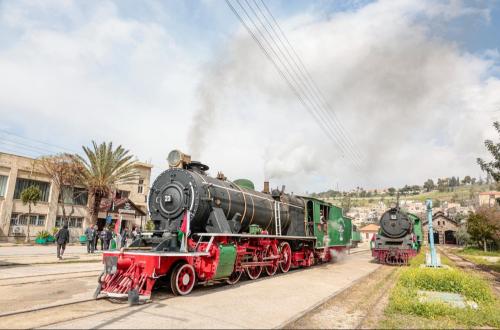
A new chapter in the history of Islamic world integration officially began in Riyadh on Tuesday (9/6/2026). In a historic moment predicted to reshape the logistics and geopolitical map of the Middle East, Saudi Arabia and Turkey formally signed a memorandum of understanding (MoU) on railway cooperation. The crucial agreement was signed directly by Saudi Minister of Transport and Logistic Services Saleh al-Jasser and Turkish Minister of Transport and Infrastructure Abdulkadir Uraloglu. This signing is not merely a technical ceremony between nations. It is the cornerstone of a grand ambition to build a modern railway network stretching from Riyadh to Istanbul, crossing Jordan and Syria. The project is a tangible symbol of the transformation of the strategic alliance between President Recep Tayyip Erdoğan and Crown Prince Mohammed bin Salman (MBS), which is no longer just about normalisation but concrete steps towards regional independence. Amidst the heating rivalry between the US-Israel and Iran, which often uses the Middle East as a proxy arena, this move is a strategic answer to the region’s vulnerability. If the old Hejaz Railway (1908) was built as a bond of brotherhood, this ‘21st Century Hejaz Line’ is designed as an independent economic artery that minimises dependence on the Strait of Hormuz sea lane, which is prone to military intervention. The project affirms that the Riyadh-Istanbul axis is re-weaving civilisational strength through two main pillars: infrastructure diplomacy and military industrial independence. Behind the rails that will be laid, the two countries are also strengthening defence synergy—from drone technology acquisition to defence equipment production partnerships—as an effort to create a robust deterrence effect for regional security. With trade volume continuing to exceed $8.6 billion, this agreement sends a strong message to the world: the Middle East is beginning to arrange its own destiny. When infrastructure is connected and military capability is maintained, the Islamic world no longer has to be a ‘punching bag’ for foreign conflicts. The train that will traverse deserts and mountains carries not only cargo but also a mission of stability, sovereignty, and the resurgence of Muslim world power in the modern era.