
Risk-based child protection model could serve as an example for other nations
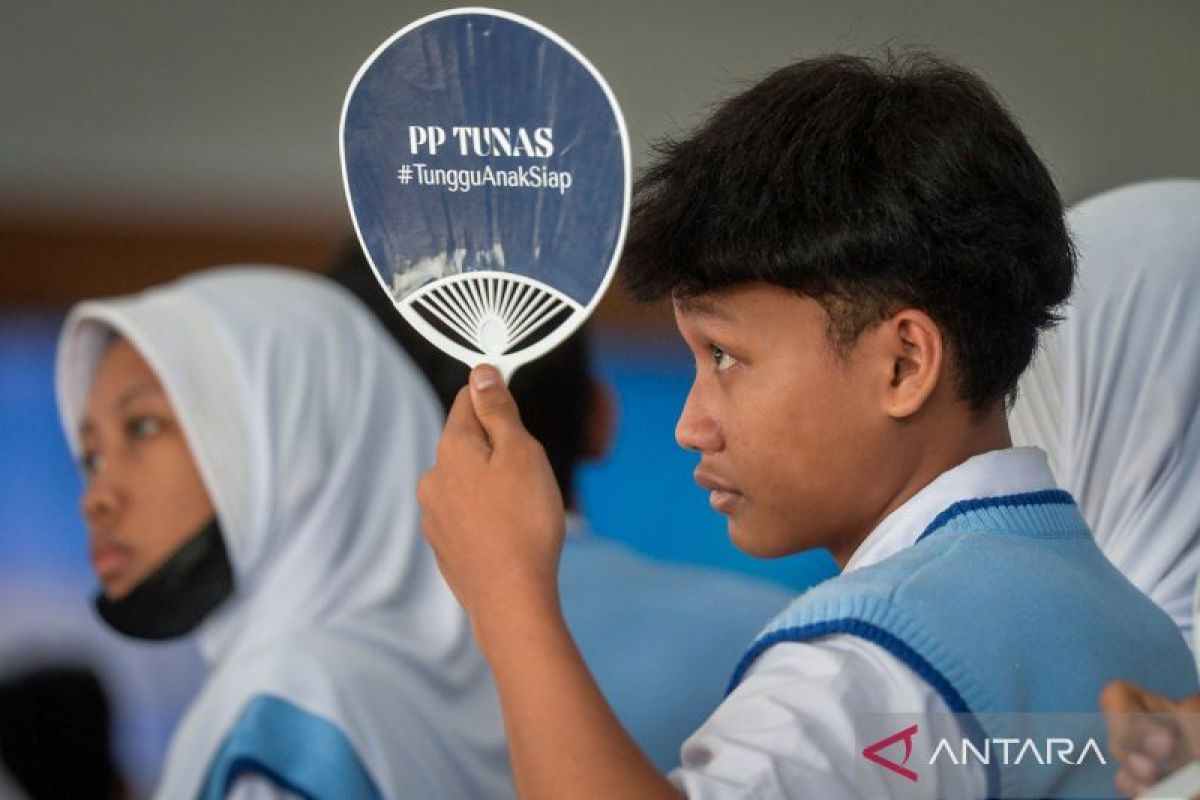
Telecommunications observer Heru Sutadi believes that the risk-based approach implemented by Indonesia in efforts to protect children in digital spaces has the potential to be studied and serve as an example for other countries.
He made this assessment in response to appreciation shown by US representatives regarding Indonesia’s digital child protection policies during a meeting with the Minister of Communication and Digital, Meutanya Hafid, in Jakarta on Tuesday.
“The appreciation from the United States shows that Indonesia is beginning to possess interesting policy experience for other nations to study. One such approach is the risk-based method, which does not treat all digital platforms identically, but instead assesses the level of risk to children,” Heru told ANTARA on Wednesday.
“This could serve as a lesson for the US that child protection cannot rely solely on parental education or user choice,” Heru added.
Heru considers the risk-based approach to be more realistic because not all platforms pose the same level of danger to children. High-risk platforms, he noted, require stricter restrictions, whereas lower-risk services can be treated differently.
“This also makes the policy more proportional and allows children to continue benefiting from technology for education, creativity, and communication,” he said.
This approach also provides space for innovation while maintaining child safety as a priority, rather than implementing a total ban on social media.
However, Heru warned that the effectiveness of the risk-based approach depends heavily on the government’s ability to accurately assess risk levels and ensure that platforms implement the established restrictions.
“The key lies in the government’s ability to assess risk accurately and ensure that platforms truly execute the set restrictions. We must not be satisfied simply because we have rules that appear advanced,” he remarked.
Joy Sakurai, the Chargé d’Affaires ad interim of the US Embassy to Indonesia, stated during the meeting with Minister Meutya Hafid that they wish to study Indonesia’s experience in implementing child protection in digital spaces.
“We want to gain Indonesia’s perspective on online child safety because US First Lady Melania Trump has an initiative underway that is very similar to what you are doing,” said Sakurai.
He also expressed a desire to bring the best practices from Indonesia’s policy regarding social media restrictions for children to be studied in his country. Sakurai praised Indonesia’s approach of not implementing a total ban, but instead providing gradual restrictions based on age with specific permissions and protections.
“This aligns with the culture of tolerance in Indonesia. If access were removed entirely, it would be very difficult to manage. However, we need to teach the younger generation to be responsible for themselves under the guidance of parents,” Sakurai concluded.