
Rising University Tuition Fees Spark Renewed Public Concern
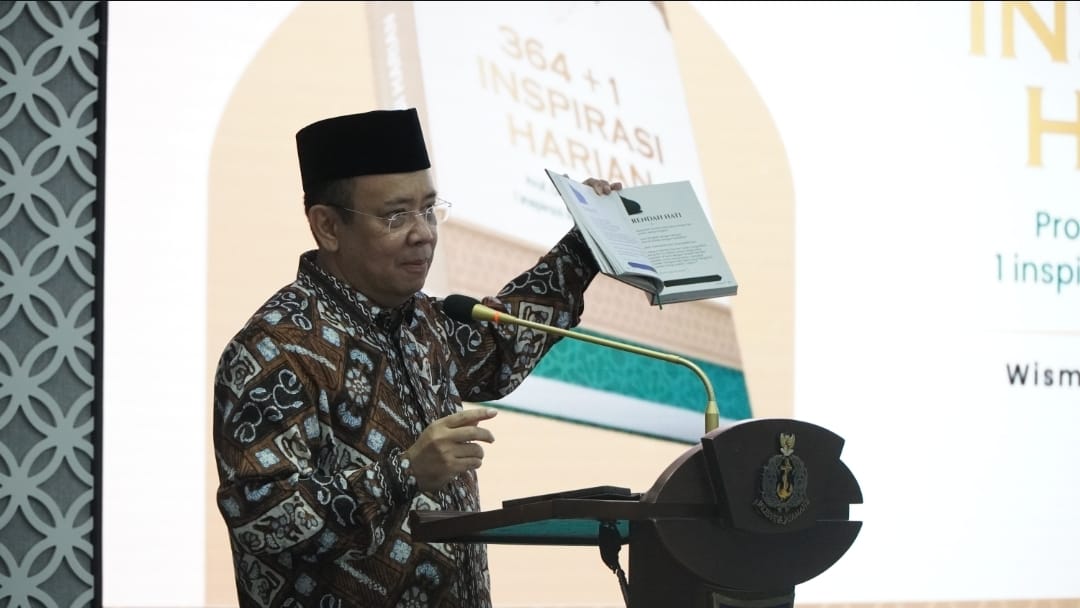
Amid rising living costs, the Single Tuition Fee (UKT) policy is increasingly burdening middle and lower-class groups who no longer qualify for government assistance but face economic limitations in financing other child-related needs. Professor Dr. Achmad Tjachja Nugraha, a senior academic at UIN Syarif Hidayatullah Jakarta, stated that the UKT issue must be viewed as a strategic matter concerning the justice of education access and the future of Indonesia’s human resource development. He noted that President Prabowo’s vision of strengthening human resources is a positive stance, but it must be followed by targeted programmes at the ministerial level, including resolving the UKT problem, as continuous fee hikes have triggered complaints from students and parents.
According to Achmad, the middle and lower classes are feeling the most pressure, threatening access to higher education through potential dropouts or a future decline in enrolment interest. He argued that UKT is not just a matter of the bill size but also one of social justice in providing equal opportunities for every citizen to obtain a higher education. The pressure on these groups does not solely arise from tuition increases but is also influenced by the rising cost of living, while public income has generally not increased. Routine burdens such as loan instalments, healthcare costs, and transportation continue to climb.
Achmad highlighted that many middle and lower-class families are experiencing a narrowing of fiscal space, a situation worsened by financial stress due to a downgrade in status from middle to lower class. Data from the Central Statistics Agency (BPS) shows the number of middle-class Indonesians shrank from around 57 million in 2019 to 47.85 million in 2024, or about 17 per cent of the total population. Meanwhile, the average cost of higher education in 2024 reached approximately Rp19 million per year, an increase that has outpaced inflation. He assessed that this situation reflects a dilemma in higher education financing, where the state wants to improve university quality requiring adequate operational costs, but public purchasing power remains limited without a truly sustainable and comprehensive financing policy design.
He urged a reform of the UKT policy through a more comprehensive assessment that considers income, number of dependents, debt instalments, living costs, and housing conditions. Furthermore, he said the government needs to provide greater support to middle and lower-class groups through integrated scholarships, partial UKT subsidies, low-interest education loans, and tax incentives. Achmad also encouraged universities to expand their funding sources by optimising assets, creating collaborative classrooms, cooperating with industry, establishing endowment funds, and leveraging philanthropy and alumni support, so they do not rely solely on UKT for operational financing. He added that transparency in the use of UKT funds and increased state investment in the higher education sector are crucial parts of creating a fairer financing system, asserting that education is a long-term investment that requires strong commitment.