
Rising Sea Levels Threaten State Budget, Bappenas Pushes for Mitigation
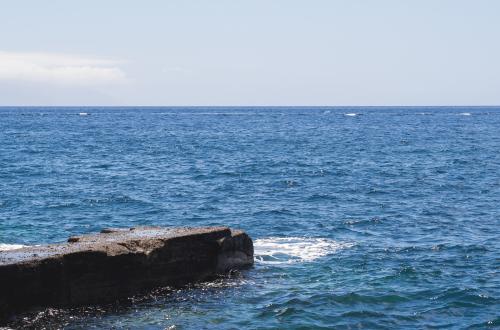
The government has warned that rising sea levels could erode up to two-thirds of the State Budget (APBN) if this threat is not addressed immediately. Minister for National Development Planning and Head of the National Development Planning Agency (Bappenas) Rachmat Pambudy revealed that rising sea levels could cause economic losses exceeding IDR 2,000 trillion by 2029 without significant intervention. He noted that at least 319 regencies and cities in Indonesia are currently in the very high climate vulnerability category, with estimated losses of around IDR 544 trillion. This figure could rise drastically within the next four years if the trend of global warming and rising sea levels continues without adequate mitigation. “This means two-thirds of our APBN could be wiped out just because of the climate vulnerability we have to address,” Rachmat said during the opening of the National Policy Dialogue on Sea Level Rise, monitored online on Monday (13/7/2026). Rachmat stressed that the north coast of Java (Pantura) is the epicentre of this risk, given the region’s significant contribution to the national gross domestic product and the concentration of industry along Java’s coastline. He warned that the sinking of densely populated and industrial coastal areas is not merely an environmental threat but a direct threat to the national economy. Beyond economic losses, Rachmat outlined three other serious impact categories: social losses from coastal communities losing access to natural resources, cultural losses from the uprooting of traditional community ties to their homelands, and political losses related to the potential disappearance of outer small islands. “If our islands disappear, then part of our continental shelf disappears,” he said, adding that this would mean a reduction in Indonesia’s sovereign territory. The problem is exacerbated by land subsidence, which in some areas reaches 1 to 20 centimetres per year, with the worst conditions occurring in Jakarta and Semarang. Other affected areas include Bekasi, Indramayu, and Demak. In the worst-case scenario, Rachmat said 29 islands could potentially disappear and more than 16,500 people would be affected, especially in eastern Indonesia, such as the Spermonde Archipelago in the Makassar Strait, which has experienced permanent flooding for the last three years. In Sayung District, Demak Regency, permanent inundation has also submerged residential areas, productive land, and several public facilities. To address this, Bappenas has formulated three main mitigation approaches: controlling the root causes by limiting groundwater extraction and reducing building loads in coastal areas, restoring coastal ecosystems through mangrove rehabilitation and a 12 million-hectare reforestation programme, and implementing data-driven policies through a collaborative planning system. As a long-term strategy, the government is finalising plans for the construction of a Giant Sea Wall along the north coast of Java. He also affirmed that these measures align with Indonesia’s commitment to achieving net zero emissions by 2060, with a target of reducing emissions by 1.2 to 1.5 gigatons of carbon dioxide equivalent by 2035. Rachmat stated that this commitment has been outlined in the second Enhanced Nationally Determined Contribution document submitted in October 2025, as well as the national adaptation plan submitted in November 2025. The commitment was also emphasised directly by President Prabowo Subianto in his speech at the UN General Assembly.