
Rising Risk of Space Debris Falling to Earth Threatens Jakarta and the Global South
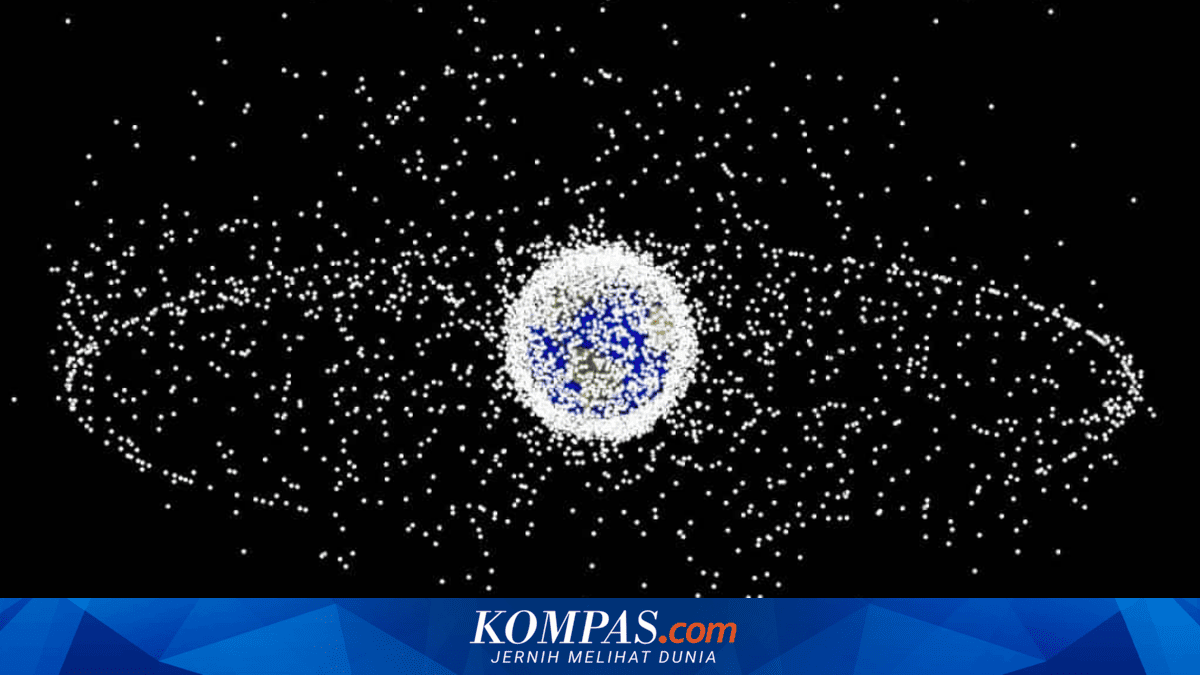
Behind the beauty of the streaks of light produced when space debris re-enters and burns up in the sky lies a real threat to Earth’s inhabitants, particularly those living in the Global South such as Jakarta. According to NASA estimates, on average one piece of debris re-enters Earth’s atmosphere and falls to the surface each day over the last 50 years. Fortunately, to date there have been no reports of fatalities or serious injuries caused by human-made space debris. Officially, only one person worldwide is recorded as having been struck by a fragment of outer space debris. However, with the surge in satellite launches and space missions in recent years, the luck of humanity may be about to change. Citing IFLScience, the study argues there is a ten per cent chance that uncontrolled space debris will fall to Earth and cause human casualties within the next ten years. The most striking aspect of the study is the uneven distribution of debris falls across the globe. Where exactly the debris will strike cannot be predicted instantly, but the greatest threat looms over communities living in the Global South. Statistical data show that rocket bodies or spent stages are about three times more likely to land and strike in the latitudes of densely populated cities such as Jakarta (Indonesia), Dhaka (Bangladesh), and Lagos (Nigeria), than in northern cities like New York, Beijing or Moscow. With the risk becoming more imminent, international regulation on space-debris management and rocket-launch accountability now represents an urgent imperative to protect millions of lives in the most vulnerable regions, including Indonesia. Many people do not realise how crowded the space environment around Earth has become. According to the latest data, Earth is surrounded by around 25,000 trackable debris pieces larger than 10 centimetres. This figure does not include millions of smaller fragments drifting undetected. In total, it is estimated that around 9,000 metric tonnes of metal and other debris are orbiting overhead. The altitude of these objects largely determines how long they will remain in space before being drawn back to Earth by gravity. Yet advances in materials technology are creating a new public safety dilemma. Scientists note that the lifespan and durability of space debris are increasing as new materials that are far stronger and more resistant to extreme heat are used. On the one hand, this materials innovation makes space travel far safer and more efficient for astronauts. On the other hand, these heat-resistant properties raise the risk that space debris does not fully burn up in the atmosphere, increasing the likelihood that it will reach Earth’s surface as solid chunks.
Source: jawawa.id (https://jawawa.id/newsitem/rising-risk-of-space-debris-falling-to-earth-threatens-jakarta-and-the-global-south-1779545909)
Originally published by Kompas (https://www.kompas.com/sains/read/2026/05/20/092800623/risiko-sampah-antariksa-jatuh-ke-bumi-meningkat-jakarta-dan-wilayah?utm_source=ABC&utm_medium=rss), translated from Indonesian