
Rising Medical Costs: Patients Need to Be Critical When Seeking Treatment
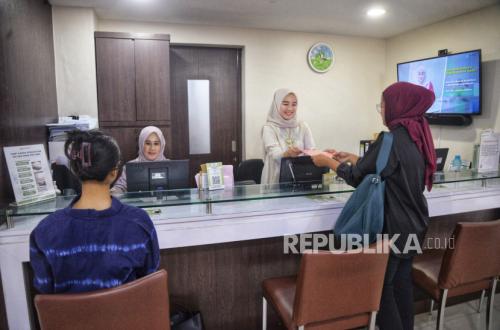
Medical service costs in Indonesia have continued to rise in recent years. This increase raises new questions about whether healthcare services will remain affordable for the public in the future.
A few years ago, the cost of treating common illnesses like typhoid was relatively affordable. In 2023, inpatient treatment costs ranged around Rp9 million. However, in 2024, the cost for the same illness rose to about Rp16 million, nearly double.
This surge is linked to medical inflation growing faster than general inflation, even surpassing several neighbouring countries. The cost increases are influenced by various factors, from lifestyle changes that heighten healthcare needs, to the use of high-cost medical technology, and practices of overutilisation—namely, the use of examinations or medical procedures that are not always clinically necessary.
When cost increases occur consistently each year, concerns arise about the sustainability of access to healthcare services for the wider public.
Controlling medical inflation cannot be done by one party alone. Healthcare providers, the insurance industry, the government, and suppliers of medicines and medical equipment each have their roles in maintaining balance in the healthcare system. Amid this cost pressure, patients also have room to play a more active role.
Prudential Indonesia, in a press release on Wednesday (13/5/2026), revealed that many patients have experienced doubts after leaving the doctor’s consultation room, wanting to ask more but choosing to remain silent. Not a few patients receive prescriptions or medical procedures without understanding the medical reasons behind those decisions. This situation is common due to limited consultation time and the use of medical terms that are difficult to understand.
Yet, the consultation moment is a crucial time for patients to make decisions about their own health.
The concept of patients being critical does not mean doubting medical professionals, but rather building a more balanced collaboration between patients and healthcare workers. The World Health Organization (WHO) encourages active patient involvement in medical decision-making because shared understanding has been shown to improve safety and treatment outcomes.
The simplest step can begin with getting into the habit of asking questions, for example, about the benefits of medical procedures, possible risks, treatment duration, and available treatment alternatives.
A critical attitude from patients brings several benefits. First, it improves the accuracy of diagnosis and treatment. Accurate diagnosis often depends on complete information provided by the patient. Additional explanations about health history, symptom patterns, or triggering factors can help doctors gain a more comprehensive clinical picture.
Second, it ensures treatment matches medical needs. Not all complaints require complex or repeated follow-up procedures. Through open discussion about therapy frequency or treatment alternatives, patients can understand whether a procedure is truly necessary.
Third, it enhances patient safety. The risk of administering drugs with similar contents or unnecessary medical procedures can be minimised when patients actively confirm the therapy they receive. The WHO positions patient involvement as one of the key elements in healthcare safety.
Fourth, it helps patients undergo treatment with greater calm and confidence. Understanding their health condition and treatment plan makes patients more prepared to face the treatment process.
Fifth, it supports decision-making that suits personal circumstances. Every patient has different needs, activities, and financial capabilities, so medical decisions ideally consider individual conditions.
Sixth, it avoids unnecessary healthcare spending. Good understanding of medical needs helps patients manage healthcare costs more wisely without reducing treatment quality.
The active role of patients does not stop at the consultation room. Health and financial protection also become important aspects, especially when facing risks of further treatment or inpatient care with high costs. In such situations, owning health insurance can serve as a support for individuals and families.
The Financial Services Authority (OJK) emphasises the importance of transparency in information and consumer understanding of financial products, including insurance. A critical attitude is needed to understand policy benefits, protection exclusions, claim procedures, and required documents.
A thorough understanding of the insurance policy helps the claims process run more smoothly and ensures protection benefits can be used optimally when needed.
More broadly, active patient involvement also influences the sustainability of the healthcare system. By ensuring the medical procedures undergone are truly necessary, the public helps curb overutilisation practices that could increase service costs and insurance claims.
Amid the trend of rising medical costs, simple steps like asking questions and understanding medical decisions become tangible contributions to keeping the healthcare system efficient and sustainable.
Being a critical patient is not just an effort to protect oneself, but also helps create a healthcare system that is fairer, more transparent, and patient-oriented.