
Rising Costs Threaten Performance of Indonesian Plastic Issuers
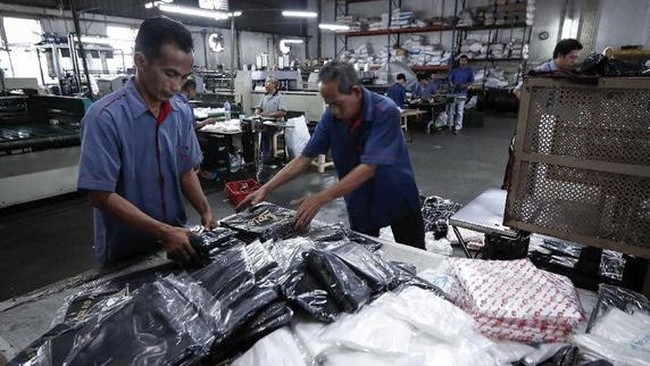
Downstream plastic issuers are facing multi-layered pressure amidst rising costs of goods sold (COGS) and short-term debt. The planned 0% import duty relaxation on raw materials by the government has yet to be realised, which will impact high corporate expenses this year.
Based on financial reports for the first half of 2026, several issuers in the downstream plastic industry recorded an increase in COGS and short-term liabilities, particularly bank debt, compared to the previous year. These factors could erode issuers’ profits and their ability to pay dividends for the 2026 fiscal year.
Some issuers still recorded profit growth in their latest financial disclosures, such as PT Panca Budi Idaman Tbk (PBID), PT Primadaya Plastisindo Tbk (PDPP), and PT Argha Karya Prima Industry Tbk (AKPI), which moved from loss to profit. However, PT Asiaplast Industries Tbk (APLI) and PT Asia Pramulia Tbk (ASPR) both recorded declines in profit.
On the other hand, all these issuers recorded a COGS increase ranging from 12% to 52%, with double-digit increases in short-term bank debt.
Henry Chevalier, Secretary General of the Indonesian Downstream Plastic Industry Association, stated that the rise in COGS reflects persistently high production costs, even though raw material prices began to ease in September this year.
“If this increase in COGS continues, it will naturally erode company profits. Therefore, we are still waiting for the realisation of the Minister of Finance Regulation regarding the 0% import duty on raw materials, which could help reduce these burdens,” said Henry, as quoted on Monday (28/9/2026).
According to him, regulatory uncertainty threatens the downstream plastic industry amidst its dependence on imported raw materials. However, he appreciated the government’s recent implementation of anti-dumping duty relaxations.
“I do not know if the reason the 0% raw material import duty has not been realised is because anti-dumping duties have already been relaxed, but at the very least, please provide certainty for us,” he added.
Meanwhile, Sinarmas Sekuritas Analyst Yosua Zisokhi noted that rising oil prices and supply disruptions of naphtha—a primary raw material for the petrochemical industry—could trickle down to the price of resin used by plastic packaging producers.
“Weakening purchasing power means companies will face difficulties passing these rising costs on to end consumers,” said Yosua.
Plastic packaging issuers recorded an average COGS increase of over 14%, and short-term debt, particularly to banks, will also impact financial burdens in an era of high interest rates following the Fed Funds Rate increase of 25 basis points to the 3.75-4% level earlier this month.
“This has the potential to suppress sales volumes, which affects financial performance. Furthermore, the increase in the Fed rate may trigger an increase in Indonesian bank rates, thereby increasing issuers’ interest expenses,” he said.
At the same time, oversupply from China presents a new challenge for domestic plastic issuers amidst global uncertainty. Chinese producers are far more efficient and able to suppress costs, meaning the domestic plastic industry risks losing competitiveness if costs remain high.
“Our producers potentially cannot sell at competitive prices and may lose out to Chinese products,” he noted.
According to Yosua, the combination of raw material prices, exchange rates, and financing costs makes 2026 a challenging year for the plastics industry. Companies with healthier balance sheets and a greater ability to pass on rising raw material costs to customers tend to have better resilience.
“This year can be seen as a stress test for plastic companies. Investors need to look not only at revenue growth but also whether companies can maintain gross margins when resin prices rise while simultaneously controlling leverage and finance costs,” he said.
Yosua added that if resin prices and logistics costs begin to normalise in 2027, these issuers have the potential to record a margin recovery. “Companies have undertaken repricing and efficiency measures in 2026, so when input costs decrease, the reduction could be directly reflected in gross margins and profits,” Yosua concluded.
Source: jawawa.id (https://jawawa.id/newsitem/rising-costs-threaten-performance-of-indonesian-plastic-issuers-1790571205)
Originally published by CNBC Indonesia (https://www.cnbcindonesia.com/market/20260928101247-17-771369/beban-naik-deretan-kinerja-emiten-plastik-ri-ini-terancam), translated from Indonesian