
Rising Costs: Cost of Living Becomes the Greatest Burden for Germans
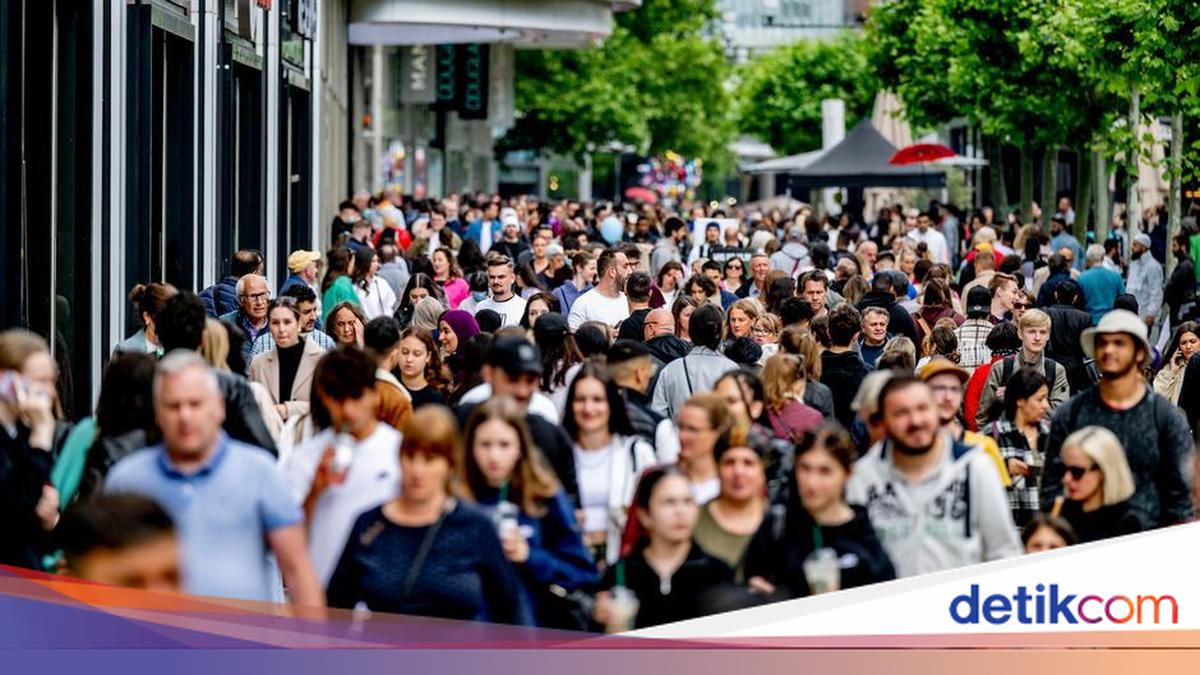
German citizens are showing higher political interest compared to recent years. A similar trend is evident in the high voter turnout in several recent state parliamentary elections. Debates regarding migration, pension reform, healthcare, long-term care, democracy, and the rule of law are running heatedly within society.
However, their greatest concern is actually related to the continuously increasing cost of living. This is the result of a study on “German Citizen Anxiety” presented by the insurance company R+V in Berlin. This annual study has entered its 3och year of implementation since it was first held in the early 1990s.
From early May to late July this year, the research involved approximately 2,400 German-speaking citizens aged 14 and above, selected representatively. The results show that the public’s greatest concern remains the same as in previous years: the rising cost of living.
Greatest Concern: Life is becoming more expensive
Last year, 52% of respondents cited the rising cost of daily living as their primary concern. In 2024, this figure increased to 59%.
Grischa Brower-Rabinowitsch, one of the study’s contributors, stated in Berlin on Thursday (01/10) that people are directly feeling the increasing cost of daily necessities. “As many as 59% of residents are worried that the money they have will not be enough to meet their living needs in the long term,” he said.
Isabelle Borucki, a political scientist from Marburg involved as a research advisor, added that rising prices for energy, housing, and food have narrowed household financial margins. As a result, people have less money for recreation, holidays, and purchases. “People are increasingly unable to afford various things,” she said.
Concerns regarding tax increases and contributions
The study also shows that the public is aware that the German social security system is facing a serious crisis. State pension funds and long-term care insurance continue to experience structural deficits.
Citizens also appear to understand that taxes and contributions will increase. Consequently, anxiety regarding tax hikes is now higher than in previous years. Borucki stated that behind the anxiety regarding tax increases and the cutting of benefits, there are fundamental questions about fairness for every individual. “Who bears the cost of modernisation and can I still rely on the services that have been promised?” she asked.
What about the issues dominating news in Germany, such as immigration, increasing social polarisation, and global geopolitical changes? Approximately 52% of respondents are worried that the number of refugees arriving will burden the country beyond its capacity. This concern ranks third on the list of public anxieties. Conversely, news regarding global turmoil does not seem to cause as much anxiety as previously expected.
Anxiety towards the US is decreasing
Grischa Brower-Rabinowitsch stated that 45% of respondents are worried that the policies of US President Donald Trump will make the world more dangerous. This figure is much lower than when Trump served his first term. In 2018, when Trump was serving his first term as president, 69% of German citizens expressed great concern regarding the impact of his policies.
Isabelle Borucki explained this decrease as an adaptation effect after the public has received news of geopolitical threats continuously for years. This trend is also visible in the average overall anxiety level. This year, the average percentage of respondents expressing concern towards various issues asked reached 38%. This is the second lowest figure since the research began in 1991. For comparison, in the 2016 R+V study, one year after the arrival of many refugees in Germany, the average reached 52%.
Poor marks for politicians
Several other indicators also show that German citizens are not as anxious about the future as might be expected. Only 34% of respondents are worried that Germany will be involved in a war, down from 41% the previous year. Since 1992, the study has also asked whether people fear losing their jobs. Currently, only 20% of working respondents expressed such concern. This is the lowest figure in the history of the research.
However, the public’s assessment of politicians, both in government and opposition, is disappointing. Respondents were asked to give school grades to politicians, and the result was 4.1. In the German grading system, this figure indicates a nearly inadequate grade.
Political scientist Isabelle Borucki assessed that the conservative and social democratic coalition government under Chancellor Friedrich Merz of the Christian Democratic Union (CDU) bears great responsibility for this assessment. This government took office in May 2025, replacing the Social Democratic Party (SPD), Green Party, and Liberal Democratic Party (FDP) coalition, known as the traffic light coalition.
According to Borucki, the end of the previous government had raised hopes for firmer leadership, reduced political conflict, and rapid economic recovery under the conservative and social democratic coalition. “Those hopes have not materialised. There is now a gap between the major announcements made by the government and the real results felt by the public. Citizens are disappointed and losing trust,” she concluded.
Source: jawawa.id (https://jawawa.id/newsitem/rising-costs-cost-of-living-becomes-the-greatest-burden-for-germans-1790942222)
Originally published by detikcom (https://news.detik.com/dw/d-8689797/makin-mahal-biaya-hidup-jadi-beban-terbesar-warga-jerman), translated from Indonesian