
Rising Cost of Living Erodes Financial Resilience of Asian Households
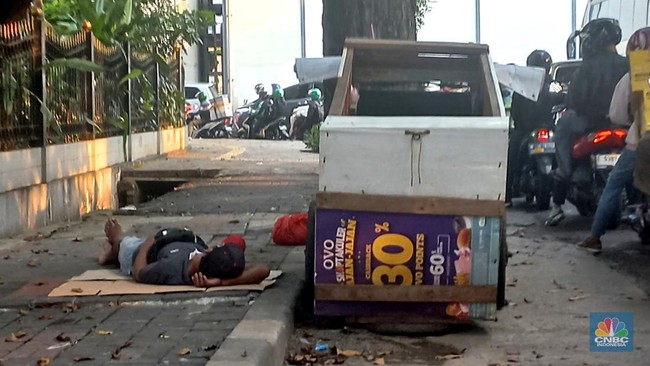
The wave of rising living costs sweeping across several Asian countries is beginning to leave a deeper impact on household financial conditions. Beyond simply eroding purchasing power, inflationary pressures are now undermining the financial resilience of communities.
This finding comes from the Sun Life Asia Financial Resilience Index 2026, which surveyed 6,000 respondents across six Asian countries: Indonesia, Singapore, Malaysia, the Philippines, Vietnam, and Hong Kong. The survey illustrates how people are increasingly focused on surviving current economic pressures, even at the expense of their future financial preparedness.
The report shows that the proportion of people with high financial resilience dropped from 32% in 2025 to just 25% in 2026. Conversely, the group with moderate financial resilience increased to 61%, or nearly two-thirds.
This decline indicates that more households can still meet their daily needs, but with thinner financial reserves and a diminished capacity to withstand future economic shocks. The resilience of this group would not last more than six months if they suddenly lost their income. More worryingly, only 13% of respondents said they feel very secure about their current financial situation.
Survival Mode
The report found that the rising cost of living is now the biggest obstacle preventing people from taking control of their finances. A total of 83% of respondents admitted that inflation makes it harder to meet their monthly needs. The impact is felt most acutely on essential spending, with 95% of respondents reporting that grocery shopping has become more expensive compared to the previous year.
Beyond food, cost increases were also felt in utilities such as electricity and water (94%), transport fuel (92%), healthcare costs (91%), and cooking fuel (91%).
These conditions are forcing people to change their financial priorities. A total of 53% of respondents stated their main focus over the next 12 months is managing daily expenses. This figure far outweighs priorities such as saving, investing, or preparing for retirement.
Meanwhile, more than half (55%) of respondents have no financial plan or only plan up to one year ahead, while 61% would be unable to survive more than six months without external financial support if they lost their job or fell ill.
This phenomenon shows that many households are no longer in a position to optimise their finances, but are merely trying to maintain their existing standard of living.
Depleting Savings, Reducing Contributions
The pressure of living costs is forcing people to take various adjustment measures. On one hand, some are taking constructive steps such as reducing non-essential spending (56%), improving financial literacy (31%), and trying to invest for better returns (31%).
On the other hand, a growing number of households are making decisions that could potentially weaken their long-term financial health. A total of 27% of respondents admitted to reducing or even skipping essential expenditures, while 25% have started using their savings to meet daily needs. Even 10% of respondents have temporarily stopped their pension fund contributions.
These decisions may help maintain cash flow in the short term. However, in the long run, such steps risk reducing the financial cushion needed to face job loss, illness, or economic crises.
The report describes this phenomenon as a form of ‘financial resilience erosion’, a condition where people appear to be coping economically but are actually becoming increasingly vulnerable to shocks.
Interestingly, 68% of respondents consider savings to be the primary foundation of financial security. Unfortunately, the actual situation shows that many people still lack adequate emergency funds. Only 39% of respondents said they could survive more than six months without external assistance if they lost their source of income due to layoffs, illness, or other emergencies.
This means the majority of households in Asia still have a high level of vulnerability to unforeseen events. This gap between perception and reality is one of the main challenges in building public financial resilience.
Opportunities for the Insurance Industry
For the insurance and financial services industry, these survey results provide an important signal. As more people feel vulnerable to financial risks, the need for protection through health insurance, life insurance, income protection, and financial planning solutions is likely to increase.
At the same time, companies can no longer simply offer products. Consumers now need education, guidance, and support to help them make better financial decisions. Amid persistent cost-of-living pressures, the industry’s ability to help people rebuild their financial resilience could become a differentiating factor as well as a new source of growth.
Ultimately, the biggest challenge facing Asian communities today is not just coping with inflation, but ensuring that the short-term decisions made today do not sacrifice their future financial security.