
RI's Neighbours Ramp Up Nuclear Power, Targeting 100 GW by 2047
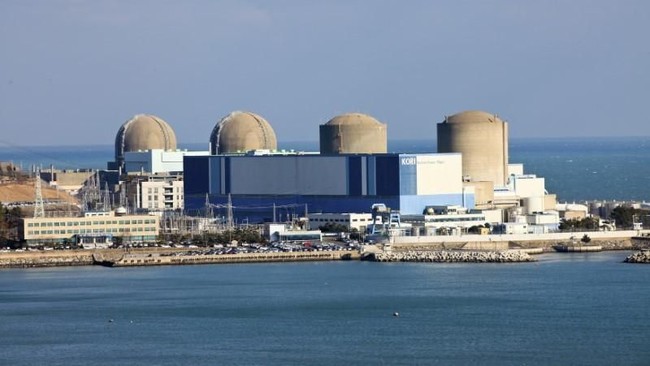
India is now closer to producing its own nuclear fuel following the in-house designed reactor achieving controlled nuclear reaction on Tuesday (7/4/2026). This achievement marks a crucial step before the facility can fully generate electricity for national needs.
The world’s most populous country and the third-largest emitter of greenhouse gases has ambitious plans to expand its nuclear power capacity. Citing an AFP report, India targets a surge in capacity from the current eight gigawatts to 100 gigawatts by 2047 to meet its growing energy demands.
Indian Prime Minister Narendra Modi stated that the Prototype Fast Breeder Reactor (PFBR) located in Kalpakkam has reached criticality. This condition represents a phase where a self-sustaining nuclear chain reaction begins to operate.
“Today, India takes a decisive step in its civil nuclear journey, advancing the second stage of its nuclear programme,” Modi said in an official statement on Monday evening.
This advanced reactor has a unique advantage as it can produce more fuel than it consumes during operations. According to Modi, the success of this technology reflects the depth of India’s scientific capabilities and the strength of its engineering companies.
“This advanced reactor, which can produce more fuel than it consumes, reflects the depth of our scientific capabilities and the strength of our engineering companies,” Modi continued.
Furthermore, the Indian leader emphasised that this development is a major milestone for the country’s future energy sovereignty. He described it as an important step towards utilising India’s abundant thorium reserves as potential nuclear reactor fuel.
“This is a decisive step towards utilising our vast thorium reserves,” Modi asserted.
However, the reactor is not yet generating electricity for the public grid directly. Energy distribution to the public will occur in the next phase after the reactor moves to full power operations.
India’s nuclear technology development comes amid global energy uncertainties, including the impact of the war in the Middle East, which has raised concerns over disruptions to fossil fuel supplies. Although it still heavily relies on coal, India has pledged to achieve net-zero emissions by 2070.