
Rinca Ranca Festival: A Stage for Children to Express Themselves
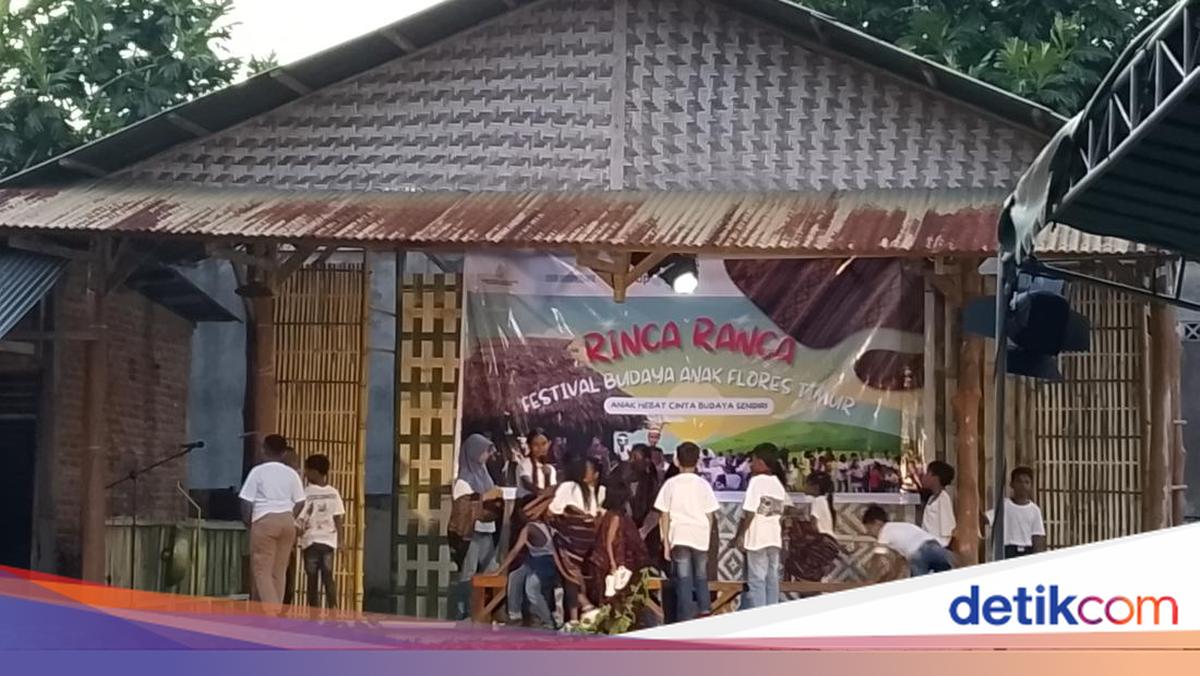
Taman Baca Masyarakat (TBM) Solita collaborated with Dana Indonesiana to organise the Rinca Ranca East Flores Children’s Cultural Festival at Asam Satu Beach on Sunday (10/5/2026). The festival was held to underscore the importance of preserving local culture passed down and shared with the young generation in East Flores.
Chair of Taman Baca Solita, Yohana Angela Uran, stated that children in cultural activities should not merely serve as spectators or accessories to adult events. “Children need their own stage, a safe space to express themselves,” she explained.
The Rinca Ranca East Flores Children’s Cultural Festival aims to introduce, preserve, and instill local Lamaholot wisdom values from an early age, including building pride, confidence, creativity, and strengthening Lamaholot cultural identity among children.
Head of the East Flores Education, Youth, and Sports Office (Disdikpora), Felix Suban Goda, described the Rinca Ranca East Flores Children’s Cultural Festival as a platform for showcasing language, culture, and traditions.
“In this way, our children can gain knowledge not only in educational institutions but also in their respective regions. Ultimately, this equips our children for life and their future. Locally, we must preserve our regional languages,” he said.
Head of the East Flores Tourism and Culture Office (Disparbud), Hery Lamawuran, hopes that more festivals with specific characters and focuses will emerge to enrich events in East Flores.
Hery also noted the Rinca Ranca East Flores Children’s Cultural Festival organised by the reading garden group. “Initiatives from groups and communities like this are what we hope will continue to grow in helping the government create an arts ecosystem and a conducive tourism climate in East Flores,” he added.
Hery explained that children’s festivals should target objects for cultural advancement, such as arts, oral traditions (pantun), and folk games, which are certainly vital for cultural regeneration from an early age.
“Children’s activities taking place in public spaces, in this case at the Asam Satu tourism destination, hold significant meaning in realising destinations not only as places for recreation and entertainment but also as hubs of creativity,” Hery clarified.