
Ride-Hailing Platforms Address "Ojol Crisis" Amid Increased Service Demand During Ramadhan
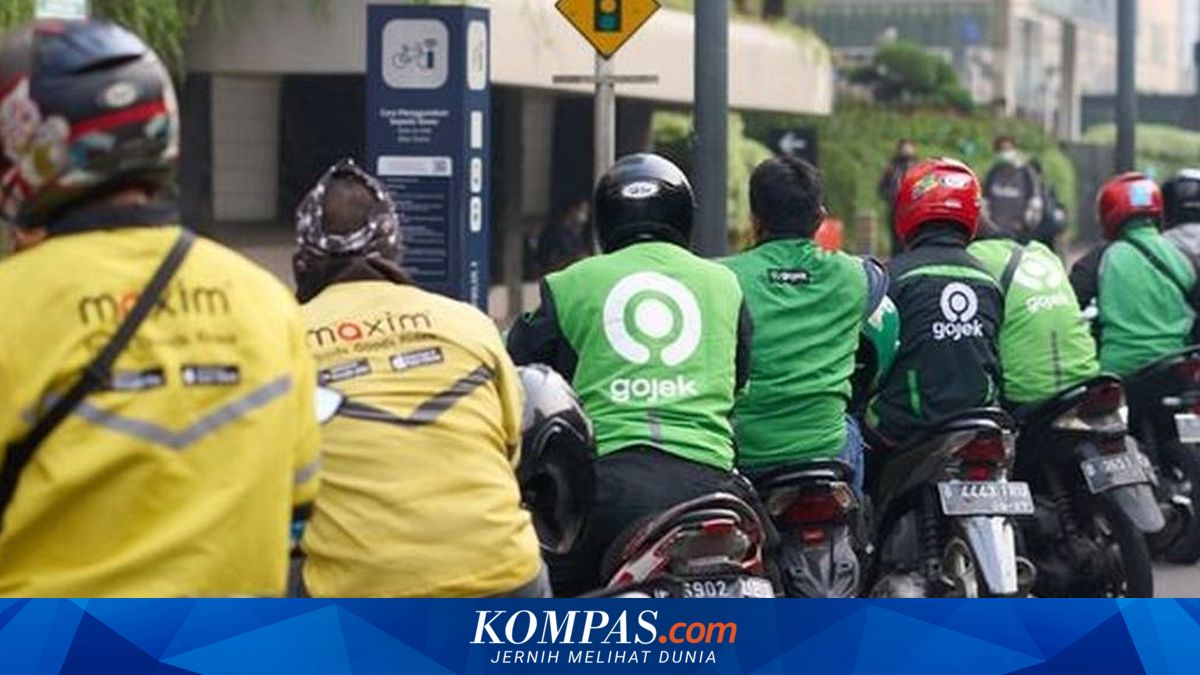
JAKARTA – Complaints about the difficulty of obtaining ride-hailing services have recently become a trending topic on social media, with some users referring to the situation as an “ojol crisis” phenomenon.
In response, several ride-hailing platform operators have attributed the ground conditions to shifts in service demand patterns and driver partner activity, particularly during the Ramadhan period.
According to Grab representatives, the surge in demand coincides with changes in people’s mobility patterns during the Islamic holy month. “In recent weeks, demand for various Grab services in Greater Jakarta has increased by up to 35 percent compared to normal periods,” Tyas stated in a release on Friday (12 March 2026).
She explained that peak service demand also occurs at concentrated times. For instance, GrabBike services increase during evening office hours, whilst GrabFood surges approaching iftar time. Additionally, delivery services through GrabExpress have seen considerable growth ahead of Lebaran celebrations.
Near iftar time specifically, GrabBike and GrabFood demand each rose by up to 25 percent.
On the driver side, Tyas noted that the overall number of driver partners remains stable. However, average working hours for partners during Ramadhan tend to be shorter. She indicated that some partners prefer to rest for iftar or avoid peak traffic congestion in the afternoon.
“Extreme weather conditions that caused flooding on several roads also impacted journey smoothness and order completion times in some areas,” Tyas said.
Despite these challenges, the high service demand during peak Ramadhan periods has boosted driver partner earnings.