
Rice Traders Unfazed by El Niño, Ample Stockpiles, but Worried About This Instead
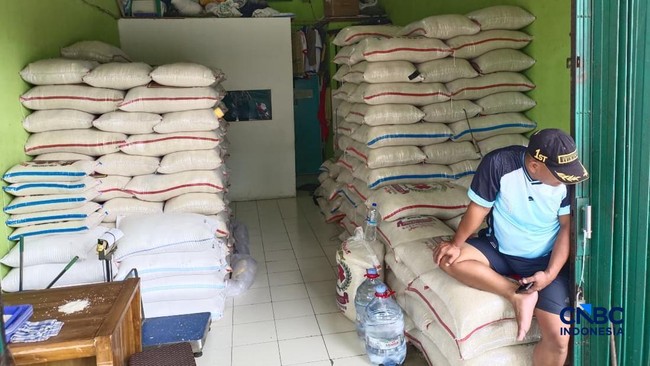
Jakarta, CNBC Indonesia - Global market concerns over potential rice production disruptions due to El Niño have not rattled traders in Indonesia. Traders at the Cipinang Rice Wholesale Market (PIBC) believe Indonesia is in a relatively safe position because the government holds abundant rice reserves.
Global rice prices strengthened again on Tuesday (23/6/2026). The benchmark rice contract reached US$12.48 per hundredweight (cwt), up 2.21% from the previous day and hitting its highest level in more than a week. The market is responding to increased weather risks in Southeast Asia, with several rice-producing countries beginning to face the threat of El Niño, which is expected to trigger hotter and drier weather in the coming months. The Philippines has even warned of a potential decline in paddy production of up to 700,000 tonnes.
However, Dedy, Chairman of the Cipinang Wholesale Market Traders Cooperative (KOPIC), believes the government has anticipated this risk by preparing large rice stocks. “If the impact of El Niño really happens, yes, it has had an effect in the past,” Dedy told CNBC Indonesia at PIBC on Wednesday (24/6/2026). He expressed appreciation for the government’s move, stating the large stockpile of grain and rice was a far-sighted policy to prevent food shortages.
Dedy explained that if El Niño disrupts production in the regions, the wholesale market would have to rely on government stocks from Bulog, as obtaining supply from producer partners would be difficult. With government rice reserves managed by Bulog currently reaching approximately 5.2 million tonnes, Dedy is optimistic Indonesia will not face a rice shortage for at least the next year, even if El Niño occurs. He also noted that some regions are still due to enter the ‘gadu’ harvest season in the coming months, further bolstering supply.
Despite the ample stock, Dedy revealed that the main issue currently faced by traders is not the threat of scarcity, but rather weakening public purchasing power, which has made the rice trade sluggish. He acknowledged the differing objectives between the government, which aims for food security and affordable prices, and traders, who seek profit. Dedy attributed the sales decline partly to the timing of the new school year, as households reallocate budgets for children’s education. He also cited rising costs, including non-subsidised fuel price hikes and increases in packaging materials like plastic, as factors adding pressure. He expressed hope that economic conditions and purchasing power would improve to revitalise market activity.