
Rice Production Disruptions Loom Over North Sumatra Until Early 2027
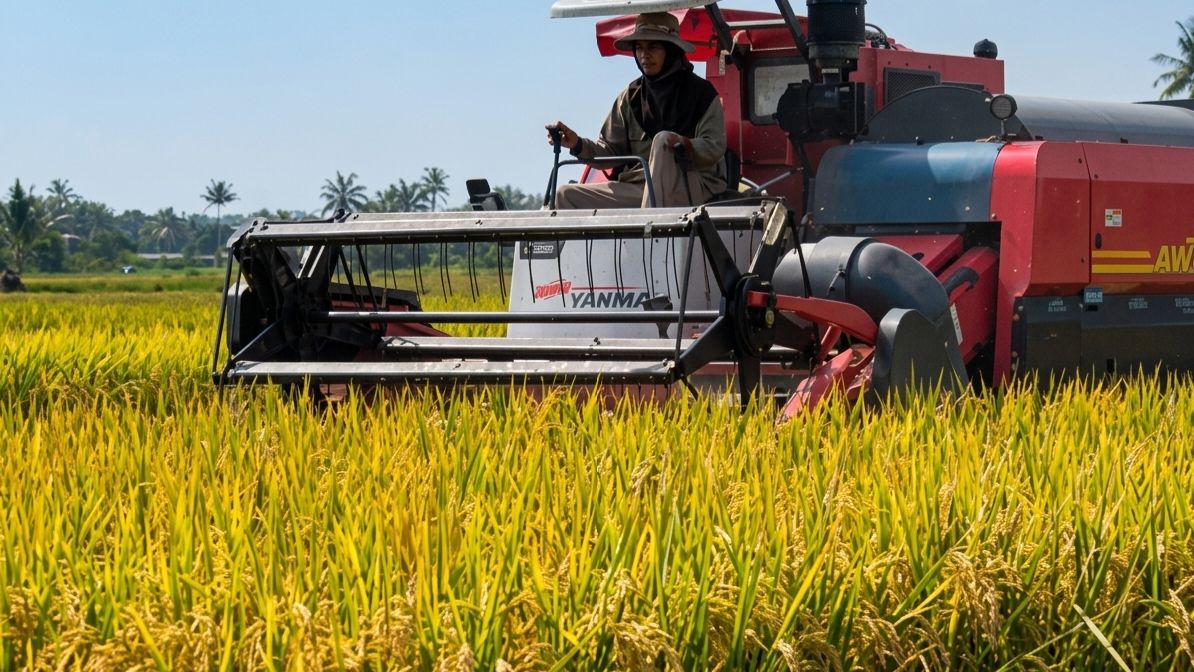
The threat of rice shortages and price increases is predicted to continue haunting North Sumatra until the first quarter of 2027. Although the peak rice harvest season in the province is projected to take place from September to October, local rice supply is not expected to be sufficient to meet public demand until February or the Idulfitri period.
Gunawan Benjamin, an economist at the Islamic University of North Sumatra, said the prolonged threat is triggered by the El Nino phenomenon. Based on forecasts from the Meteorology, Climatology, and Geophysics Agency, this extreme weather phenomenon is predicted to persist until early 2027, potentially causing harvest failures and a decline in national rice production volumes, including in North Sumatra.
“Even if North Sumatra can maximise its rice production, that does not mean the threat of shortages or price increases will be avoided,” Gunawan said on Thursday (20/8).
Gunawan explained that market mechanisms and trading networks among large traders are crucial factors. Rice from North Sumatra risks being absorbed by other regions if neighbouring areas experience harvest failures. This condition could drain North Sumatra’s domestic rice reserves even if local production improves during the main harvest season.
The long-term threat exacerbates the problem of limited rice supply that has recently drawn complaints from retail traders and modern retail managers in North Sumatra. Although it has not yet triggered panic buying at the household level, the disappearance of several rice brands from the market is beginning to threaten the sustainability of culinary sector businesses that depend on certain types of rice.
For short-term supply disruptions, Gunawan estimates that retail market conditions could improve within one to two weeks as harvest schedules begin in several rice-producing areas. However, he stressed the need for rapid intervention from Perum Bulog during this transition period.
Gunawan also criticised the weak governance of rice supply data, both that managed by the government and by rice mill operators. According to him, data on rice availability at the ground level is highly volatile because it depends on weather dynamics and farmers’ success rates.
To date, mapping of production figures, consumption, and cross-provincial rice distribution flows is considered not yet fully accurate. In fact, integration of supply data is crucial as a risk mitigation instrument to predict future market shocks.
He urged the government to immediately formulate effective policies to mitigate the impact of El Nino. Without strategic measures, this problem has the potential to cripple regional food security until 2027.