
Rice Producers Who Break the Rules Face Up to Seven Years in Prison and Rp1.5 Billion in Fines
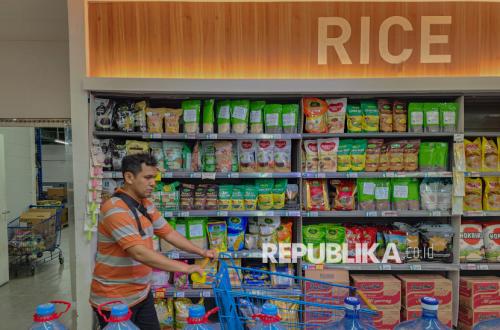
JAKARTA — The National Food Agency (Bapanas) has warned that producers of fortified rice found to have breached regulations could face a maximum of seven years in prison and a fine of Rp1.5 billion. The government is also preparing to revoke business licences after finding that 25 fortified-rice brands did not meet requirements.
Bapanas head Andi Amran Sulaiman said the government would show no tolerance towards businesses found to have committed irregularities in the production or sale of fortified rice. Enforcement is being carried out with the National Police’s Food Task Force, which is tracing violations back to production facilities.
“We will pursue and take action against them. The first measure is to revoke their licences; the second could be a criminal sentence of up to seven years and a fine of Rp1.5 billion,” Amran said in Jakarta, as quoted on Thursday (12 November 2026).
He said the government had already acted against problematic rice products found on the market. The products were withdrawn from sale, while the production facilities linked to the violations were also targeted by law enforcement.
One such operation took place in North Sumatra. Amran said officers had pursued those suspected of involvement, withdrawn the products from the market and sealed the factory concerned.
“We are pursuing the others. This is unacceptable. They have been named suspects. The people in North Sumatra were pursued yesterday. The products were withdrawn from the market and the factory was sealed,” said Amran, who also serves as agriculture minister.
Bapanas inspections found that 25 of the 27 fortified-rice brands examined failed to meet requirements. The non-compliant brands were produced by 11 manufacturers, with violations involving administrative requirements, nutritional content and product quality.
Of those manufacturers, the National Police’s Food Task Force has escalated cases involving two companies responsible for nine brands to the investigation stage. The legal process is continuing as authorities probe the alleged violations.
Amran said law enforcement in the rice sector was making progress. Over a two-week period, 36 people had been named suspects in various rice-related cases involving irregularities.
“There are now 36 suspects in two weeks. We will keep pursuing them; we are committed to continuing,” the Bapanas chief said.
As a preventive measure, Bapanas has also imposed a moratorium on issuing new permits for fortified-rice production. The policy followed inspection results showing that only two of the 27 brands met the requirements.
Amran said the government would not issue new permits until the governance of fortified-rice production had been improved. The move is also intended to tighten oversight of businesses in the sector.
“We have imposed a moratorium; no permits can be issued for now. Wait. They cannot be issued when only two are compliant and the rest are in violation. We will pursue them all,” he said.
Bapanas deputy for Consumption Diversification and Food Safety Andriko Noto Susanto said the inspection results showed that compliance among fortified-rice producers remained low. Fewer than 10 per cent of the 27 brands inspected met the stipulated requirements.
He said Bapanas had issued a letter imposing a temporary halt to the permit process. The policy also applies to businesses that have recently submitted applications to produce fortified rice.
“As the Bapanas chief has said, 25 of the 27 brands do not meet the requirements for fortified rice. We have also issued a letter imposing a moratorium, given that fewer than 10 per cent of businesses producing fortified rice meet the requirements,” Andriko said.
In East Java, eight businesses that had reapplied for permission to produce fortified rice will have to wait until improvements to the sector’s governance are completed. The government is not processing their applications while the moratorium remains in force.
Bapanas said new permits would be issued again once producers meet administrative requirements and standards for nutritional content and product quality. Oversight is also being tightened to ensure fortified rice sold on the market matches its stated nutritional claims and complies with applicable food safety and quality requirements.
Source: jawawa.id (https://jawawa.id/newsitem/rice-producers-who-break-the-rules-face-up-to-seven-years-in-prison-and-rp1-5-billion-in-fines-1794473583)
Originally published by Republika (https://ekonomi.republika.co.id/berita/todqg4423/produsen-beras-nakal-terancam-penjara-tujuh-tahun-dan-denda-rp-15-miliar), translated from Indonesian