
Rice Prices in Batam Rise by Up to 15 Percent, Yet to Fall Since the Start of the Year
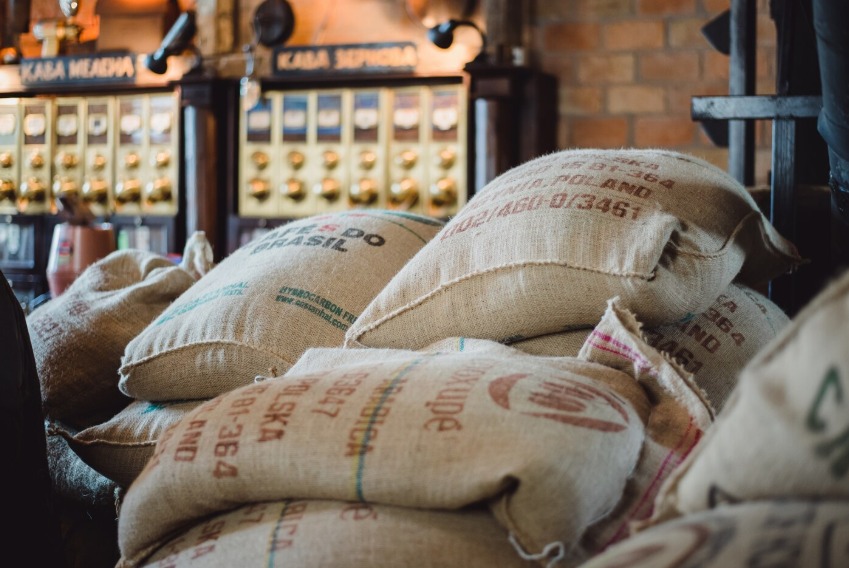
Prices of staple goods in Batam City continue to show an upward trend following the Eid al-Fitr 1447 Hijriah celebrations. Rice has become the main focus after experiencing a significant increase of around 13 to 15 percent over the past few months.
Based on observations by Media Indonesia on Tuesday (7/4), in several traditional markets such as Aviari Market, Botania Market, and Mitra Raya Market, the price of medium rice, which previously ranged from Rp14,000 to Rp15,000 per kilogram, has now risen to around Rp16,000 to Rp17,000 per kilogram. This increase of about Rp2,000 per kilogram is directly felt by the public, especially households and small business operators.
Not only rice, but several other commodities have also seen price hikes. Bulk cooking oil is sold in the range of Rp20,000 to Rp22,000 per kilogram and is reported to be increasingly difficult to find from some traders. Granulated sugar has also risen and is now around Rp20,000 per kilogram. Meanwhile, chilli prices are fluctuating with a tendency to rise, depending on daily supplies.
On the other hand, some staples remain relatively stable. Prices for shallots and garlic are each in the range of Rp30,000 to Rp35,000 per kilogram, although traders warn of potential increases if supplies are disrupted.
Several traders stated that this price increase has been occurring since the beginning of 2026 and shows no signs of declining. One rice trader at Mitra Raya Market said that supplies from outside the region are the main factor. “Batam depends on supplies from outside. If distribution is disrupted or prices in the origin areas rise, they automatically rise here,” he said.
This situation forces the public to think creatively to manage expenses. Rini, 34, a housewife in Batu Aji, admitted that she is now more selective in shopping for daily needs.
“Now shopping has to be calculated more carefully. The rising prices of rice and cooking oil make the impact more felt,” she said.
Syaiful, 41, a private sector worker in Batam Center, expressed something similar. He assessed that the increase in staple goods prices is increasingly burdensome because it is not matched by income growth. “Salary stays the same, but prices keep rising. Like it or not, other expenses have to be cut,” he said.
Meanwhile, Lina (29), a small food trader, admitted that the rise in raw material prices directly impacts her business. She has been forced to raise selling prices, but this has instead reduced the number of buyers. “If not raised, it’s a loss. But if raised, buyers decrease. It’s all difficult,” she said.
Local economists assess that this price increase is influenced by several factors, including increased demand during and after Lebaran, logistics distribution that is not yet fully stable, and rising transportation costs and supporting materials such as packaging. In addition, Batam’s dependence on supplies from outside the region makes prices in this area more vulnerable to fluctuations.
As of this report, the Head of Trade Division of the Batam City Industry and Trade Office, Wahyu Daryatin, could not be reached for comment regarding government steps to stabilise prices.
Additionally, a representative from PT Usaha Kiat Persada, one of the staple goods distributors in Batam, Ayin, also could not be reached when sought for confirmation regarding the availability and distribution of staple supplies in the market.
The public hopes that the government together with distributors can soon take concrete steps so that prices return to stable and supplies remain maintained, especially ahead of normal economic activities after Lebaran.
Source: jawawa.id (https://jawawa.id/newsitem/rice-prices-in-batam-rise-by-up-to-15-percent-yet-to-fall-since-the-start-of-the-year-1775606628)
Originally published by Media Indonesia (https://mediaindonesia.com/nusantara/876975/harga-beras-di-batam-naik-hingga-15-persen-belum-turun-sejak-awal-tahun), translated from Indonesian