
Rice Price Surge Set to Drive Inflation in North Sumatra in July 2026
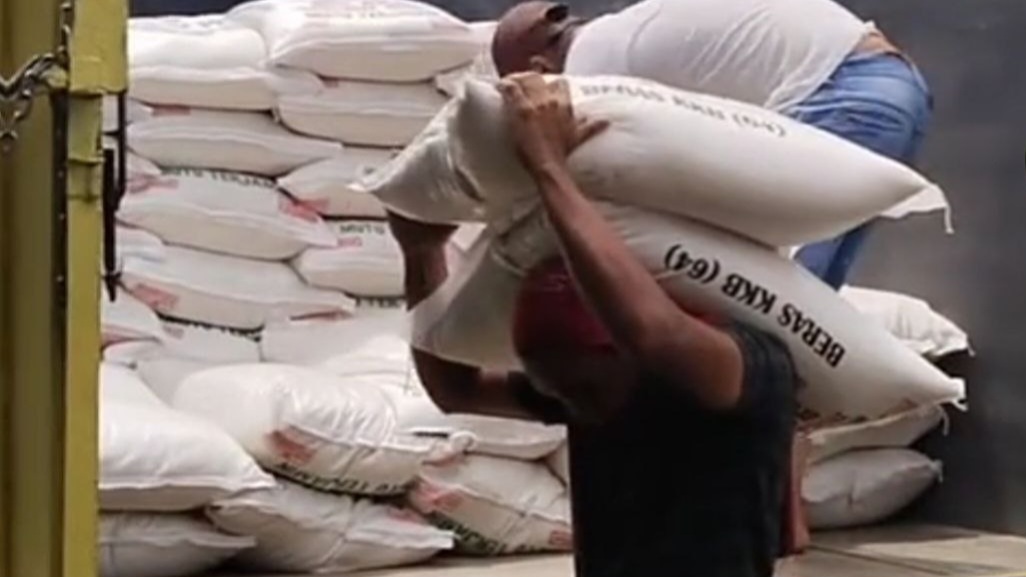
North Sumatra is expected to record inflation again in July 2026 due to a surge in the prices of several key food commodities, particularly rice. Rice is the main driver of inflationary pressure this month, even though some other horticultural commodities have experienced price corrections.
Economist Gunawan Benjamin from the Islamic University of North Sumatra (UISU) assessed that the spike in rice prices, ranging from 1.5% to 5% in the market, is the primary engine of inflation in North Sumatra in July 2026. Besides rice, several other food commodities have also recorded increases. These include garlic, which rose by about 2.1%, powdered milk by up to 7%, tomatoes by 10%, carrots by 14%, and green cayenne pepper, which soared by up to 54%. Other kitchen staples such as spinach, green mustard greens, and potatoes have also shown an upward price trend.
“North Sumatra has the potential to record inflation above 0.17% this July,” Gunawan stated on Thursday (30/7). Gunawan observed that inflationary pressure in July has also spilled over into the non-food sector. Several household necessities such as shampoo, sanitary pads, baby diapers, and building materials like iron, cement, and wall paint have also experienced price increases. However, the price of bricks was observed to have declined and tends to be cheaper compared to the previous period of simultaneous spikes. On the other hand, some commodities actually experienced price declines throughout July 2026.
Shallots fell by about 16% and red chillies dropped by around 19%. Specifically for red chillies in modern markets, prices were still observed to be rising due to supply or stock management factors managed by the modern retail outlets themselves. Price declines also occurred for detergent soap and premium class flight tickets. Meanwhile, economy class flight tickets actually recorded an increase.
Gold commodities in the field were observed to have experienced a price increase of about 10%. Meanwhile, meat and chicken egg commodities, which were previously feared to spike due to the end of the school holiday season and the resumption of the Free Nutritious Meals (MBG) programme, are projected not to trigger major inflation this July. The average increase in chicken meat prices is maintained at around 1%, so its impact is considered very small on monthly inflation. Both are predicted to only contribute significant inflation in the coming August.
With these dynamics, Gunawan reminded the government to be wary of the inflation trend until the close of 2026. He assessed that future inflation projections will be more influenced by weather factors and the impact of the Rupiah’s weakening against the US dollar. Food commodities are projected to continue contributing dominantly to the inflation rate. He added that the increase in the cost of goods sold (HPP) at the farmer level currently provides room for agricultural product price increases. The components forming the HPP have been pushed up by the impact of the Rupiah’s depreciation following the heating up of the global geopolitical situation. Nevertheless, Gunawan warned of a serious threat if the realisation of food prices at the farmer level in the future falls below the economic cost of production. If this happens, the impact will seriously threaten long-term inflation control. Farmers are at risk of capital failure, making it difficult to farm again, leading to debt accumulation and land conversion. “Then inflation will be increasingly difficult to control,” he concluded.