
Rhine River Dries Up, Threatening Europe's Economic Lifeline Amid Prolonged Drought
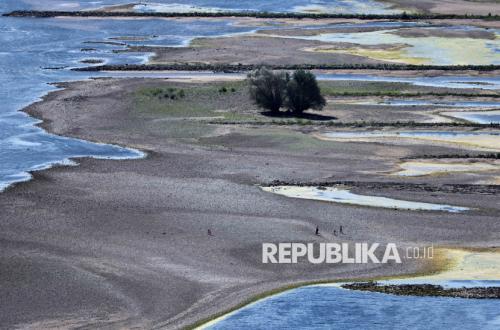
A prolonged heatwave and drought across Europe have caused water levels in the Rhine River to plummet, nearing record lows. The receding waters are not only altering the landscape of one of the continent’s busiest waterways but are also severely disrupting shipping, industrial activity, and supply chains across multiple countries. For centuries, the Rhine has served as a vital trade artery connecting Switzerland, Germany, France, and the Netherlands, but its flow is now slowing dramatically. Industrial operators, shipping companies, and farmers are all feeling the direct impact of the river’s diminished flow. Along the riverbanks, previously submerged rocks and sandbanks are now exposed, including hydrological markers like the ‘Hungerstein’ (Hunger Stone) in Worms, which dates back to 1857. Researchers warn that this situation is a clear signal that Europe’s major rivers are increasingly vulnerable to climate change, highlighting the urgent need for improved water resource management, emissions reduction, and adaptation to extreme weather events.