
Reviving Agus Widjojo's Ideas Through a Book
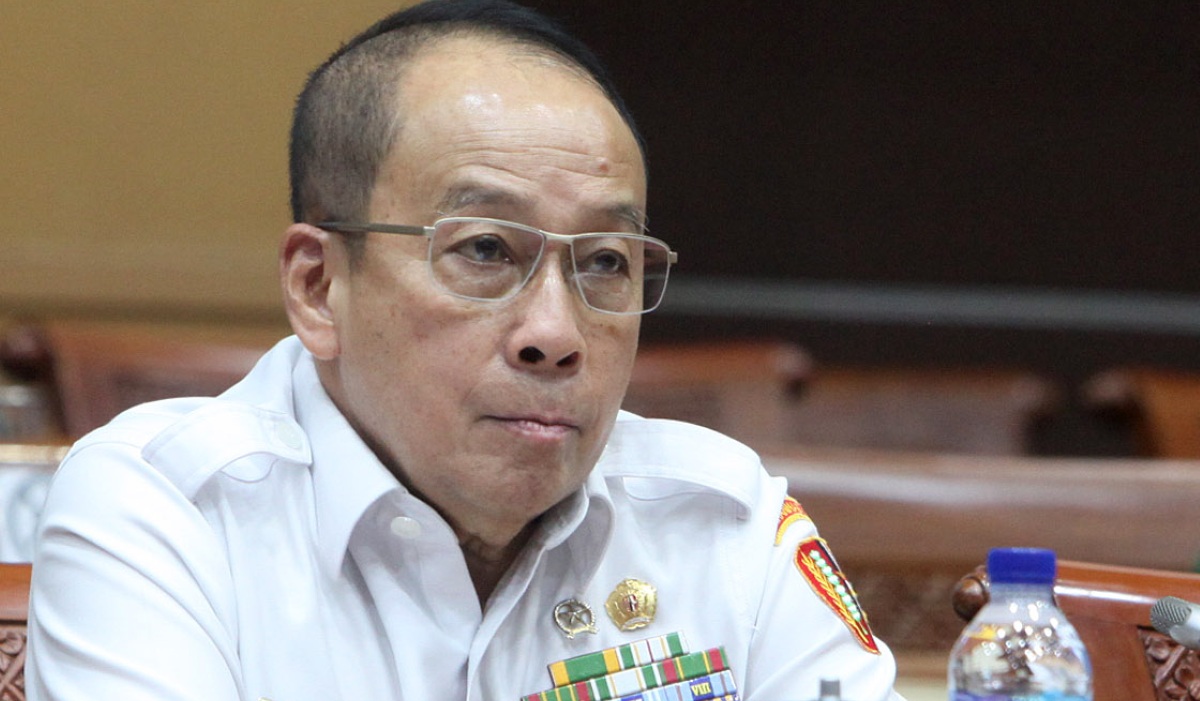
Coinciding with the anniversary of Jakarta City on 22 June 2026, the book ‘Agus Widjojo: Jejak Tanpa Monumen’ was officially launched. The presence of this book is a crucial momentum to remember and revive the thoughts, exemplary character, and intellectual legacy of the late Lieutenant General (Ret.) Agus Widjojo. During his lifetime, Agus Widjojo was widely known as one of the main architects of the Indonesian Military (TNI) reform and a loyal guardian of democracy in Indonesia. The book was initiated by several cross-sector figures, including Endriartono Sutarto, Erry Riyana Hardjapamekas, Sudirman Said, Jaleswari Pramodhawardani, Ipong Witono, and Mochammad Agus Susanto. The initiative to compile this book arose from the concern of friends witnessing the current challenges to the nation’s democracy. They felt it was important to reintroduce the ideas that Agus Widjojo once championed so they remain relevant for future generations. The book ‘Jejak Tanpa Monumen’ compiles 60 writings presenting various perspectives on the figure of Agus Widjojo. The authors come from diverse backgrounds, including retired military officers, active officers, academics, activists, journalists, and statesmen. Despite their different backgrounds, all writings share a common thread: depicting Agus Widjojo as a figure of integrity, humility, and firm principles. He is viewed as a professional soldier who placed professionalism as a moral discipline. One of Agus Widjojo’s most important legacies is his view on the relationship between the military and democracy. He believed that a strong military is one that understands the limits of its role and places itself constitutionally under civilian supremacy. Erry Riyana Hardjapamekas emphasised that for Agus Widjojo, civilian supremacy was not a threat. ‘Pak Agus showed that the strength of a professional soldier actually lies in his ability to maintain self-restraint. Professionalism is not just a doctrine, but a life attitude reflected in clarity of reason and humility,’ said Erry.