
Revitalising the Function of the Four Centres of Education
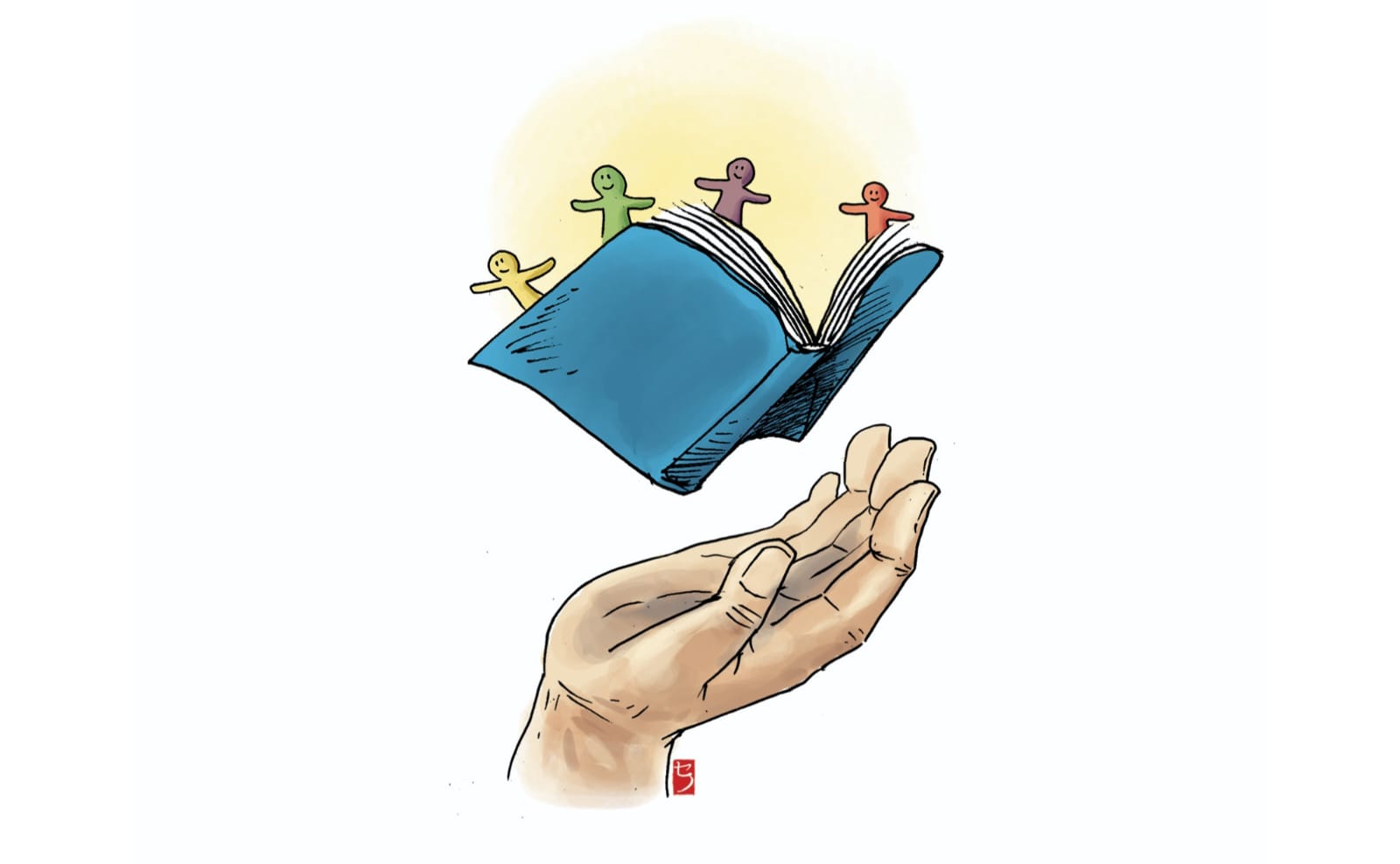
Watching world football is preparing oneself to be struck by paradox. This is the first psychological hurdle faced by football enthusiasts. The actual article begins below. The involvement of all elements of the nation is absolutely necessary to fulfil the constitutional mandate in the field of education, which is to enhance the intellectual life of the nation. The Minister of Primary and Secondary Education (Mendikdasmen), Abdul Mu’ti, has termed this involvement of all elements of the nation as ‘universal participation’. Mendikdasmen stressed that however strong the state is, and no matter how large its funds, the government certainly cannot fulfil the constitutional mandate alone. Moreover, the reality is that the challenges facing national education are highly complex. Among the crucial issues is the disparity in quality and access to education between regions. As a result, the number of out-of-school children remains quite high in several areas, as does the dropout rate. This situation necessitates universal participation so that quality education services can be realised, since quality education is a fundamental right of every citizen. Indeed, education is said to be the best investment for advancing and ensuring the welfare of the nation’s citizens. Former United States senator and founder of the Fulbright Scholarship Foundation, James William Fulbright (1905-1995), stated, ‘Education is a slow movement, a powerful force.’ Education is a long-term investment, often likened to planting a tree in a garden; for it to grow well, it must be watered, cared for, and occasionally fertilised. Likewise, education requires a process, patience, and also innovation and creativity. Teachers are like gardeners who must tend to their plants wholeheartedly. In order to fulfil the constitutional rights of the nation’s citizens, Mendikdasmen emphasised the importance of revitalising the function of the four centres of education. In this context, the four centres of education are the family, the school, the community, and the media. The synergy of these four pillars is highly strategic in realising quality education for all. The concept of four centres of education is essentially a development of the key thoughts proclaimed by the Father of National Education, Ki Hadjar Dewantara. Ki Hadjar famously introduced the concept of three educational centres. He also established the fundamental values of education through the ‘among’ system, which comprises sharpening the mind (asah), nurturing compassion (asih), and providing guidance (asuh). This nurturing learning approach is believed to liberate and dignify children, positioning the educator as a guardian who guides children according to their nature and must not compel them. Regarding the three educational centres, Ki Hadjar introduced three crucial pillars that must synergise to shape the personality, character, and intelligence of the nation’s children more holistically. These three pillars are the family environment (informal education), the school environment (formal education), and the youth/community movement environment (non-formal education). Ki Hadjar’s thoughts provide the spirit for the construction of the national education system, with much of the regulation in Law Number 20 of 2003 concerning the National Education System inspired by his philosophy, including the classification of educational pathways into formal, non-formal, and informal. These three pathways are vital for accelerating the fulfilment of every citizen’s right to quality education. In the current context, Ki Hadjar’s thoughts on the three educational centres remain relevant. However, in line with the development of the digital world, it feels essential to include the media as the fourth pillar in realising holistic education. In the digital era, the function of the media is crucial in education. Considering the function of media, especially social media with its various platforms, it is highly meaningful in the education and upbringing of the nation’s children. Today’s children have become part of a virtual community, with most of Generation Z and the Alpha generation holding the view of ‘no gadget, no life’. This illustrates the dependence of modern society, particularly the youth, on devices or smartphones, leading them to interact more with peers through cyberspace. These young people are known as digital natives, so fluent and skilled in using various technological applications, having grown up in the era of artificial intelligence and rapid technological advancement. In facing such complex educational challenges, the pillars of the four centres of education must synergise to realise the nation’s golden generation. This generation is described in official curriculum and learning documents through eight graduate profiles, including faith and piety, citizenship, critical reasoning, creativity, collaboration, independence, health, and communication. Through the synergy of the four educational centres, the roadmap to realising this golden generation becomes a shared responsibility. The first pillar is the family, whose function in educating and raising children is exceptionally clear, emphasised as the first and foremost educator (al-baytu madrasah al-ula). In this first school, the best teachers are the parents. The second pillar is the school, for which the Ministry of Primary and Secondary Education is championing the tagline ‘school as a second home’. To become a second home, schools must reform themselves to ensure children feel comfortable, safe, and happy while learning.