
Reviewing WFH in Bekasi, Bima Arya Video Calls Civil Servants Working from Home
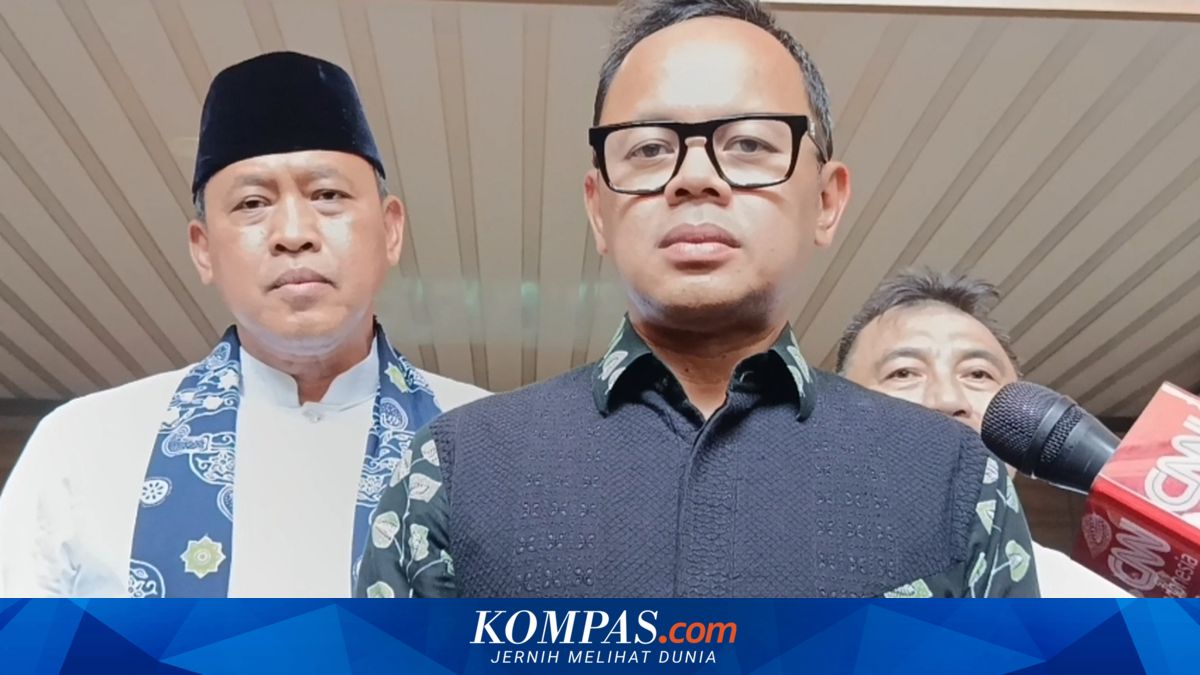
BEKASI, KOMPAS.com — Deputy Minister of Home Affairs Bima Arya Sugiarto directly inspected the implementation of the work-from-home (WFH) policy for civil servants (ASN) within the Bekasi City Government on Friday (10/4/2026).
During the inspection, Bima checked the attendance of employees at the office and conducted video calls to ensure that ASN working from home were still carrying out their duties.
The visit was a follow-up to the directives from Minister of Home Affairs Tito Karnavian to ensure the effectiveness of the WFH policy implementation in several regions.
“How many staff are still on standby?” Bima asked Junaedi at the location.
“Currently, there are five out of a total of eleven staff. Almost all are on WFH, Sir,” Junaedi replied.
Bima then verified the performance of ASN working from home by making a video call to the Head of the General Section of the Bekasi City Regional Secretariat, Imas Asiah.
“Madam, what task are you working on today at home?” Bima asked.
“Today, I am in a Zoom meeting with Asda 3, Sir, and conducting monitoring of the implementation of building facilities and infrastructure usage,” Imas replied.
After the check in the Regional Secretary’s room, Bima, along with Bekasi Mayor Tri Adhianto and Deputy Mayor Abdul Harris Bobihoe, inspected several public service facilities in the government office complex.
The locations visited included the Social Service, Population and Civil Registration Service (Disdukcapil), Regional Revenue Agency (Bapenda), and the implementation of WFH for ASN Government Employees with Work Agreements (PPPK) from the Investment and One-Stop Integrated Services Agency (DPMPTSP) whose homes are located around the government complex.
“Upon random checks, it turns out the ASN are working and there is a reporting system through the e-Kinerja form. I also saw a very good policy from the Mayor, not only regulating partial WFH but also encouraging ASN to use public transport or bicycles,” Bima told the media.
He added that the efficiency policy implemented by the Bekasi City Government also impacted budget savings. Since the elimination of the overtime system, the local government has been able to save around Rp 120 million per month on electricity usage.
According to Bima, the WFH policy is not only to anticipate the impact of the global geopolitical situation but also serves as a momentum for transforming the work culture within the government environment.