
Reviewing the Museum of Struggle, Culture Minister Highlights Yogyakarta's Role in Indonesia's History
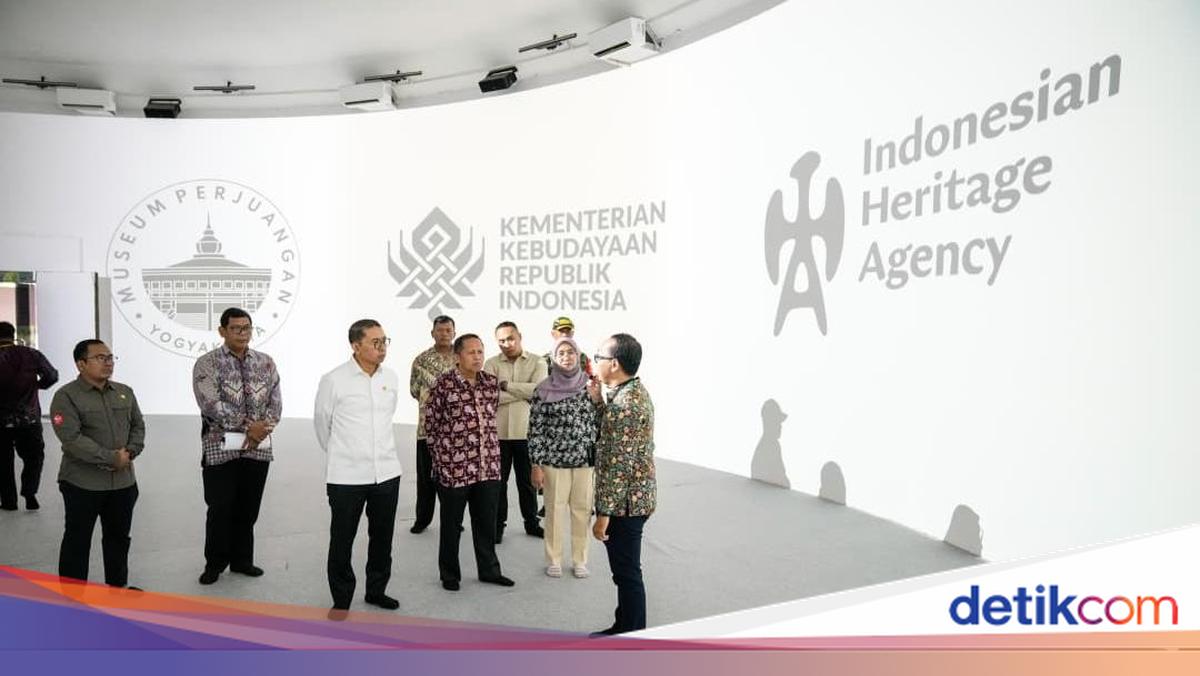
During a working visit to Yogyakarta, the Indonesian Minister of Culture (Menbud), Fadli Zon, inspected the Museum of Struggle in Yogyakarta. This museum is one of the historical museums that presents the journey of the Indonesian nation’s struggle, from the era of national awakening to defending independence, through collections of artefacts, dioramas, and exhibition presentations that are now being developed in a more immersive manner.
During the inspection, Fadli Zon directly viewed the revitalisation of the museum’s exhibitions, which now adopt an immersive approach. He appreciated and assessed that the narrative presented in the museum has been designed to be more contextual and communicative, enabling it to reach a wider audience.
“In this museum, we can witness the journey of the nation’s struggle, from the birth of Budi Utomo to the Proclamation of Independence and the period of defending the Unitary State of the Republic of Indonesia, now presented in an immersive way that is easier to understand,” said Fadli Zon in his statement on Monday (30/3/2026).
Fadli Zon also highlighted the important role of Yogyakarta in national history, including when it became the capital in 1946 as well as the Dutch military aggression events that shaped the nation’s journey. According to him, these various events are strongly depicted in the narrative displayed in the museum.
Furthermore, Fadli Zon emphasised that the presence of artefact collections, dioramas, to reliefs by the maestro sculptor Edhi Sunarso forms the main strength of this museum in presenting a more lively and reflective historical learning experience.
“The younger generation needs to see directly how the history of the nation’s struggle is presented here, because this museum brings stories that are closer and easier to digest,” he added.
Concluding the visit, Fadli Zon hopes that the Museum of Struggle in Yogyakarta can continue to develop as an active public space, not only as a place to store artefacts but also as a centre for education and historical reflection that is relevant to society.
He stressed the importance of this museum in building historical awareness, especially for the younger generation, so that the values of the nation’s struggle can continue to be passed on and understood contextually in the present day.
The Museum of Struggle in Yogyakarta itself is a museum initiated by Sri Sultan Hamengku Buwono IX in 1958 to commemorate the 50th anniversary of the National Awakening. Its construction began in 1959 and was completed in 1961.
Architecturally, the museum building also has a unique form with the main building in a circular shape and equipped with 40 reliefs depicting the historical journey of the nation’s struggle, from the national movement era to independence. These reliefs were made using cement and sand materials by Edhi Sunarso, who is also known through his monumental works in various cities in Indonesia.
In addition, the museum displays various important collections such as memorabilia, statues of national figures, and thematic exhibitions that are continuously updated following modern museum curation developments. Currently, the museum is part of the management of the Ministry of Culture (Kemenbud) through the Public Service Agency for Museums and Cultural Heritage.
For information, those present at the visit included, among others, the Special Staff of the Minister for Protocol and Household Affairs, Rachmanda Primayuda; Director of History and Museology, Agus Mulyana; and Head of the Cultural Heritage Preservation Agency Region X, Manggar Sari Ayuati.
Source: jawawa.id (https://jawawa.id/newsitem/reviewing-the-museum-of-struggle-culture-minister-highlights-yogyakartas-role-in-indonesias-history-1774850000)
Originally published by detikcom (https://news.detik.com/berita/d-8421410/tinjau-museum-perjuangan-menbud-soroti-peran-yogyakarta-dalam-sejarah-ri), translated from Indonesian