
Revealed: Why South Beirut's Dahiyeh Has Become a Target of Israeli Attacks Following Hezbollah Strikes
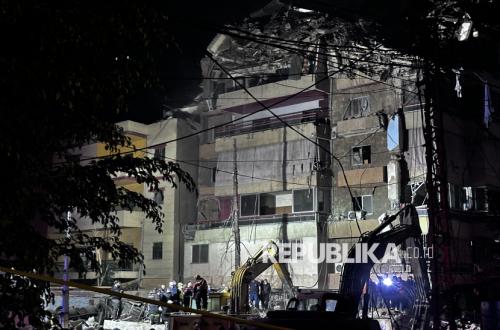
On the outskirts of southern Beirut, where lemon groves once stretched as far as the eye could see and tranquil villages were scattered amongst farmlands, no one could have imagined that this area would one day become one of the most influential regions in Lebanese political life. South Beirut’s Dahi ent—which later became synonymous with Hezbollah—did not emerge with this identity. The area was formed through a long process influenced by demographic shifts, warfare, and various social crises that shaped its current face.
In the 1960s, South Dahiyeh was not yet a unified region. It consisted of several separate villages and settlements, such as Haret Hreik, Burj al-Barajneh, Chiyah, and Ghobeiry. During that period, southern Lebanon and the Bekaa Valley were still facing developmental backwardness and a lack of employment opportunities. These conditions worsened following the establishment of the State of Israel in 1948, which triggered various economic upheavals and had a significant impact on southern Lebanon.
In an effort to seek a better life, thousands of Lebanese citizens began migrating to the outskirts of Beirut, where land prices were still relatively cheap. Gradually, agricultural land shrank and was replaced by residential buildings. This was how the urban area south of the capital began to develop. The most significant change occurred after the outbreak of the Lebanese Civil War in 1975. Beirut was split into two regions separated by a ‘contact line’ or battle line. Areas previously inhabited by various community groups were transformed into arenas of open conflict.