
Revealed: Why a Sheep Replaced Prophet Ismail in Eid al-Adha Sacrifice
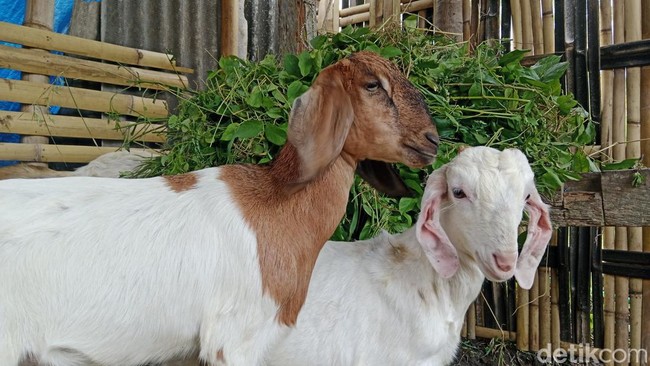
Jakarta, CNBC Indonesia - Muslims worldwide celebrate Eid al-Adha through sacrificial rituals. For those able, slaughtering an animal for sacrifice demonstrates obedience to Allah SWT and serves as a means of sharing with those in need. According to the official Nahdlatul Ulama (NU) website, the ruling on sacrifice is sunnah mu’akkad, highly recommended for Muslims who can afford it. Sacrificing a cow is considered more meritorious than a goat for those who are capable.
The tradition of sacrifice stems from the story of Prophet Ibrahim (AS) and his son, Prophet Ismail (AS). In the Quran, Surah As-Saffat verse 102 recounts how Ibrahim received a dream he believed was a divine command to sacrifice his son. ‘Ibrahim said: O my son, I have seen in a dream that I must sacrifice you; what do you think?’ This command was undoubtedly difficult for Ibrahim, as Ismail was the long-awaited child he had after years of waiting with Siti Hajar. However, Ismail’s response showed his submission to God’s will: ‘Father, do as you are commanded; if Allah wills, you will find me among the steadfast.’
After their conversation, Ibrahim prepared to carry out Allah’s command. But as the sacrifice was about to take place, Allah SWT replaced Ismail with a sheep. This event forms the basis of the Eid al-Adha sacrifice tradition.
The story raises a key question: why a sheep? Why not another animal? Historically, sheep were among the livestock most closely tied to Middle Eastern societies, easy to rear in arid regions like the Arabian Peninsula. They held high economic and social value, with ownership often symbolising prosperity. Many communities relied on sheep farming and herding for their livelihoods.
Shepherding was common among prominent figures of the era, including Prophet Muhammad (PBUH) before his prophethood. ‘Muhammad: A Critical Biography’ (2011) notes he worked as a goat herder, a common profession as livestock owners needed shepherds to guide animals for grazing.
Sheep’s popularity was reinforced by religious traditions in the Middle East prohibiting pork consumption, leading communities to rely on sheep meat and its by-products. Given this context, the use of a sheep as Ismail’s substitute is easily understood historically, as sheep were the most common, valuable, and familiar livestock to Middle Eastern societies during Prophet Ibrahim’s time.