
Revealed: Trump Defied Intelligence Warnings to Wage War on Iran
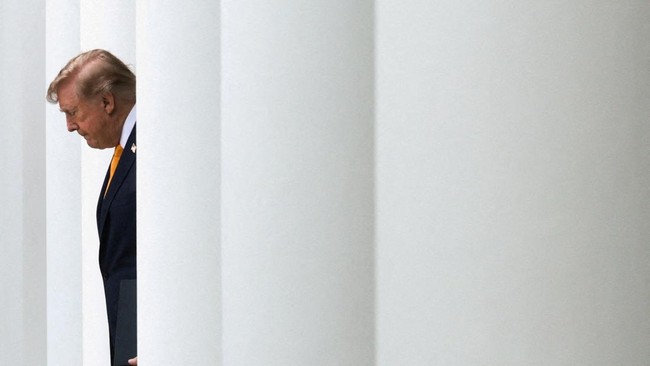
US President Donald Trump reportedly went ahead with strikes on Iran in February even after a series of warnings from those closest to him. Senior officials had cautioned that the war could trigger a global energy crisis and strengthen hardline factions in Tehran.
According to The Wall Street Journal, citing people familiar with pre-war meetings, then-Director of National Intelligence Tulsi Gabbard warned Trump that ‘killing Iran’s Supreme Leader could produce an even more hardline successor’. The report added that such a move could also push Iran to close the Strait of Hormuz, the strategic passage through which roughly one-fifth of the world’s oil and gas trade flows.
US Vice President JD Vance also urged a more ‘cautious’ approach that prioritised negotiations, arguing that a diplomatic agreement would cost far less than a war that could bring ‘uncontrollable consequences’.
Meanwhile, senior military officials, including Defence Secretary Pete Hegseth and Chairman of the Joint Chiefs of Staff General Dan Caine, presented Trump with a ‘decisive’ strike option. However, several officials warned of ammunition constraints and risks to US forces already described as ‘overstretched’.
Trump was nevertheless reported to have brushed aside those concerns, believing that the military could ‘overcome any problem’ that arose.
Trump reportedly displayed ‘satisfaction when the war began’. At a fundraiser in Mar-a-Lago, he was said to have ‘puffed out his chest’ after receiving news of the death of Iran’s Supreme Leader at the time, Ali Khamenei.
But the situation shifted as fuel prices soared and the war did not proceed as expected. Leaders of Saudi Arabia and Qatar then pressed the White House to seek a diplomatic solution.
Internal polling showed that nearly 80% of Americans supported a deal to end the war. That pressure helped push Trump to pursue a temporary ceasefire in June.
Several Republican members also warned of the political fallout from a prolonged war on the party’s chances in the November midterm elections. Meanwhile, the 60-day nuclear negotiation window ended on 17 August without a final settlement.
‘After the failure of those negotiations, the US government reportedly resumed Operation Economic Outcast, an economic pressure campaign aimed at weakening the Iranian government through a naval blockade and sustained sanctions,’ the report stated.