
Revealed! MAB Indonesia Outlines Obstacles to EV Development in Indonesia
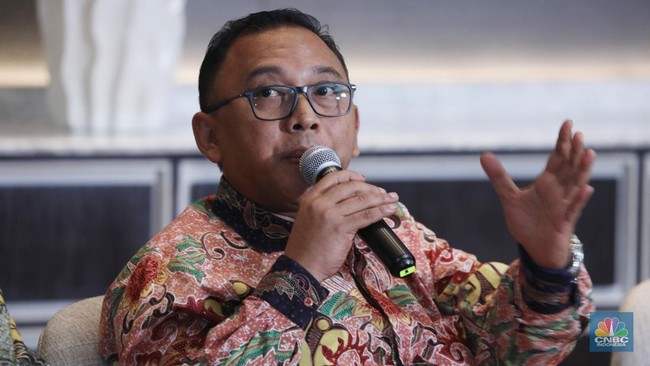
The CEO of PT Mobil Anak Bangsa Indonesia, Kelik Irwantono, has revealed that strengthening the supply chain is a vital step in driving the electric vehicle (EV) ecosystem in Indonesia. This is particularly pressing as Indonesia still relies on imports for battery raw materials to meet national EV requirements.
“The reality on the ground is that we are still forced to import batteries. This is an existing fact,” he stated during the Coffee Morning event titled “Building a Resilient Automotive Ecosystem Beyond EV Amid Global Supply Chain Shift,” organised by CNBC Indonesia in collaboration with DBS Indonesia on Wednesday (16/09/2026).
To address this, his company is focusing on enhancing the EV supply chain, a process he believes can be achieved gradually. “This is our primary concern for the future; we hope to increase the supply chain step-by-step. This is the key to ensuring Indonesia can eventually produce EVs domestically,” said Kelik.
Furthermore, Kelik noted that steel, one of the primary components of EVs, still faces development hurdles within the country. “When we discuss chassis, we are talking about steel. Whether we import it or source steel within Indonesia, the availability remains minimal,” he explained.
Another significant challenge is the production of lithium-based batteries, as the necessary raw materials are not found in Indonesia. “We hope that in the future, these batteries will be produced locally. As a local player, our spirit is to continuously improve battery production,” he added.
Kelik emphasised that the most crucial element in strengthening the EV ecosystem’s supply chain is government regulation. He suggested that the government could implement restrictions on countries that treat Indonesia merely as a market. “The fact is, Indonesia should not just be treated as a market. While we welcome healthy competition, we hope that EVs will ultimately be produced in Indonesia,” he concluded.