
Returning to Coal
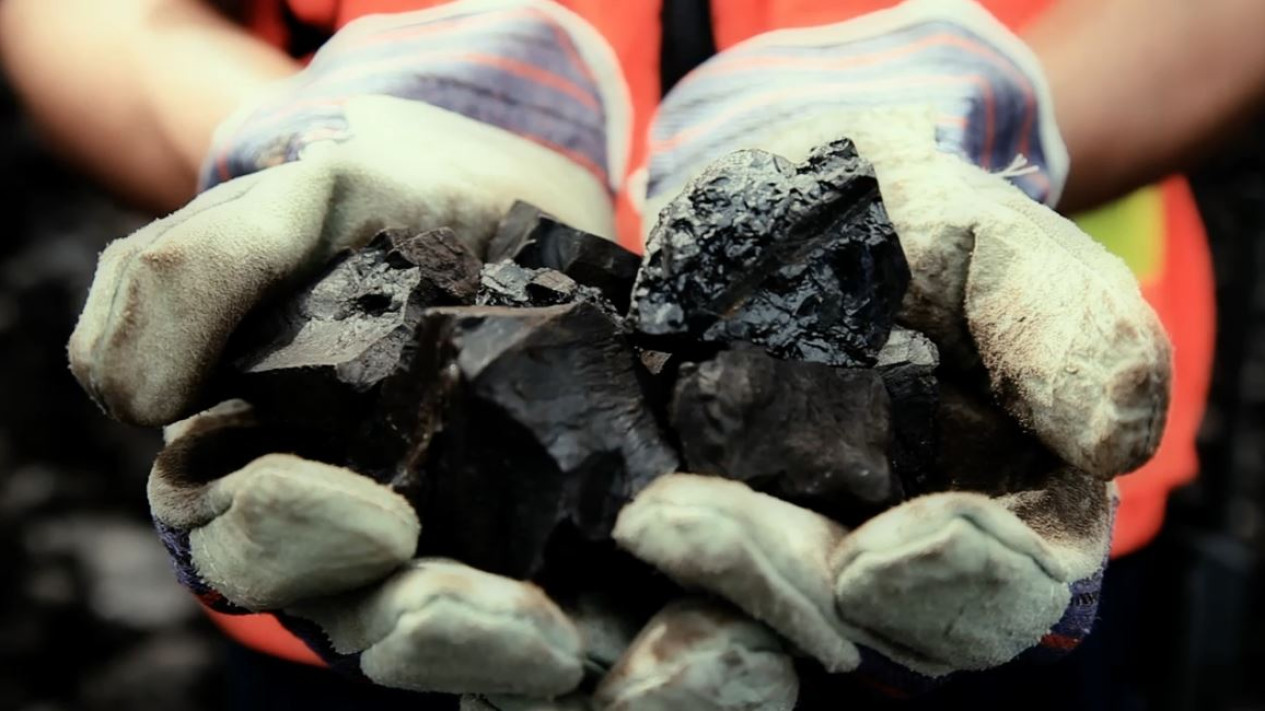
Returning to coal. This phrase sounds like a catchphrase, but it is a reality currently facing Germany, a key leader within the European Union. Instead of finding ways to mitigate global price surges, German Chancellor Friedrich Merz is considering a return to utilising coal energy.
However, within the industrial and energy sectors, this signal from Berlin is being viewed as confusing. According to DW, debates regarding energy transition and climate protection have heated up again in Germany. On one hand, since 19 May, electric vehicle buyers have been able to apply for new government subsidies. On the other hand, the federal cabinet has recently passed controversial legislation regarding domestic heating systems, which reopens the possibility of using oil and gas—a move heavily criticised by experts and environmental groups.
This has sparked a debate over how seriously the Berlin government is addressing climate protection and the reduction of greenhouse gas emissions. One long-standing plan that has rarely been challenged is the original schedule to decommission coal-fired power plants by 2038. However, an exception is being proposed by Chancellor Friedrich Merz.
During a congress organised by the Frankfurter Allgemeine Zeitung in mid-April 2026, Merz stated that Germany might have to maintain coal-fired power plants longer than planned. “We may have to allow operational coal power plants to remain connected to the grid for longer,” Merz said. He added, “I am not prepared to risk the core of our energy supply system just because a phase-out date we set a few years ago has turned out to be unrealistic.”
This statement was triggered by surging energy prices following the outbreak of conflict between the United States and Israel against Iran in early March this year. However, for Martin Kaiser, a climate expert from the environmental organisation Greenpeace, using rising fuel prices as a justification to doubt the coal phase-out plan is a mistake. “Friedrich Merz cannot formulate future-oriented policies if he misinterprets the high prices of fossil energy,” Kaiser told DW. According to him, questioning the national consensus on coal phase-out without strong justification could threaten Germany’s security and the rights of future generations.