
Returning PMI’s Fundraising Month to Its Roots
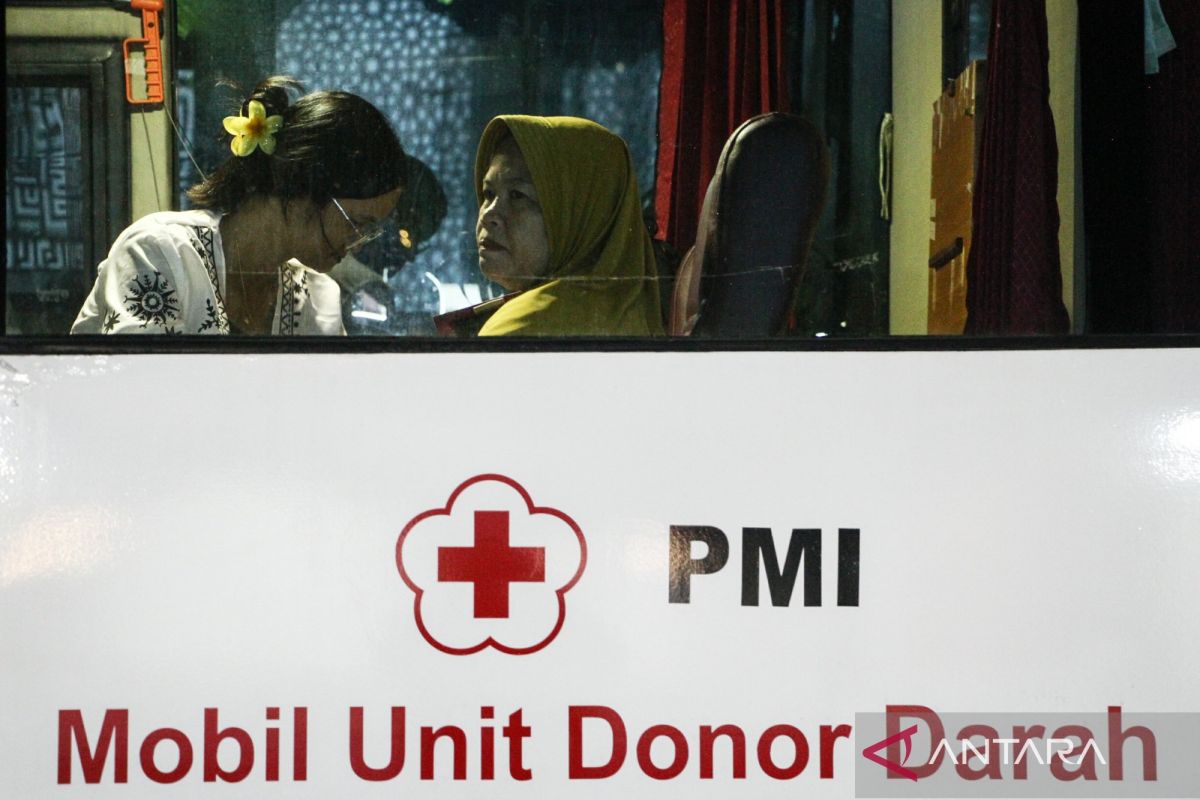
Jakarta (ANTARA) – The Indonesian Red Cross (PMI) is a non-profit humanitarian organisation with an important mandate in disaster response, health services, humanitarian crisis management and youth development. This mandate is based on Law No. 1 of 2018 on the Red Cross.
For example, during the 2020–2025 leadership term of the Jakarta chapter of PMI, its ambulance services handled as many as 38,500 cases and distributed 18,500 disaster-relief packages. These figures show that PMI’s work extends beyond blood donation services.
Nevertheless, the public still generally associates PMI with collecting and distributing blood. This is largely due to its role in providing blood services since 1950, which has made this one of the organisation’s best-known functions.
According to PMI’s 2024–2029 central strategic plan, the organisation meets 92 per cent of national blood needs. In Jakarta, demand averages 1,200 units a day, supported by around 4,000 donor groups.
Voluntary, not compulsory
For years, PMI Fundraising Month in public spaces has often been perceived as involving monetary targets or rigid quotas. This perception has made donations that should be voluntary feel like a bureaucratic burden or a disguised levy. PMI, however, needs public participation to support its various humanitarian activities, including those not fully funded by the government.
Controversy over suggested donation amounts resurfaced in 2026. Jakarta Governor Pramono Anung stressed that contributions during PMI Fundraising Month must be entirely voluntary, with neither coercion nor fixed amounts. He also called for clearer implementing rules to ensure that donations are not perceived as compulsory.