
Retracing History at Abdullah Ibn Abbas Mosque: Reflecting on the Prophet's Resilience When Expelled from Taif
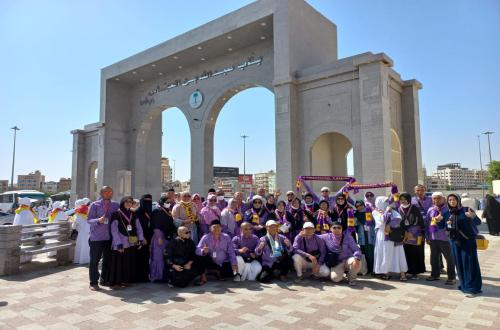
MAKKAH — The 1447 Hijriah Hajj season is gradually concluding after 1.7 million pilgrims performed the peak rituals in Arafah, Muzdalifah, and Mina recently. Nevertheless, the spiritual pulse of Allah’s guests in the Holy Land has not entirely subsided. Before departing for their home countries, thousands of pilgrims take the time to retrace the historical footsteps of Islam. One destination that consistently calls to the hearts of pilgrims is the Abdullah Ibn Abbas Mosque in the city of Taif. Despite having to travel across rocky mountains from Makkah, the tranquillity and cool climate of Taif are never devoid of visitors. In the mosque area, pilgrims from various corners of the world come and go each day. The atmosphere is enlivened by the hospitality of traders from Bangladesh to Pakistan who set up stalls nearby. Standing firmly since 592 Hijriah, the Abdullah bin Abbas Mosque, which can accommodate around 3,000 worshippers, is not merely a place of prayer with its hundreds of pillars. The building is a historical marker witnessing one of the crucial phases in the propagation journey of Prophet Muhammad. History records that when the pressure and economic embargo of the Quraish tribe in Makkah became increasingly suffocating, the Prophet stepped towards Taif with a handful of hope. He hoped the local inhabitants would be willing to accept the light of Islamic teachings and provide protection. However, that hope was met with rejection. The people of Taif refused harshly, mocked, and treated the Messenger very poorly. Amidst the heartache and the plan to return to Makkah, the Prophet briefly rested at a specific location.