
Rethinking Energy Transition as a Business Resilience Strategy
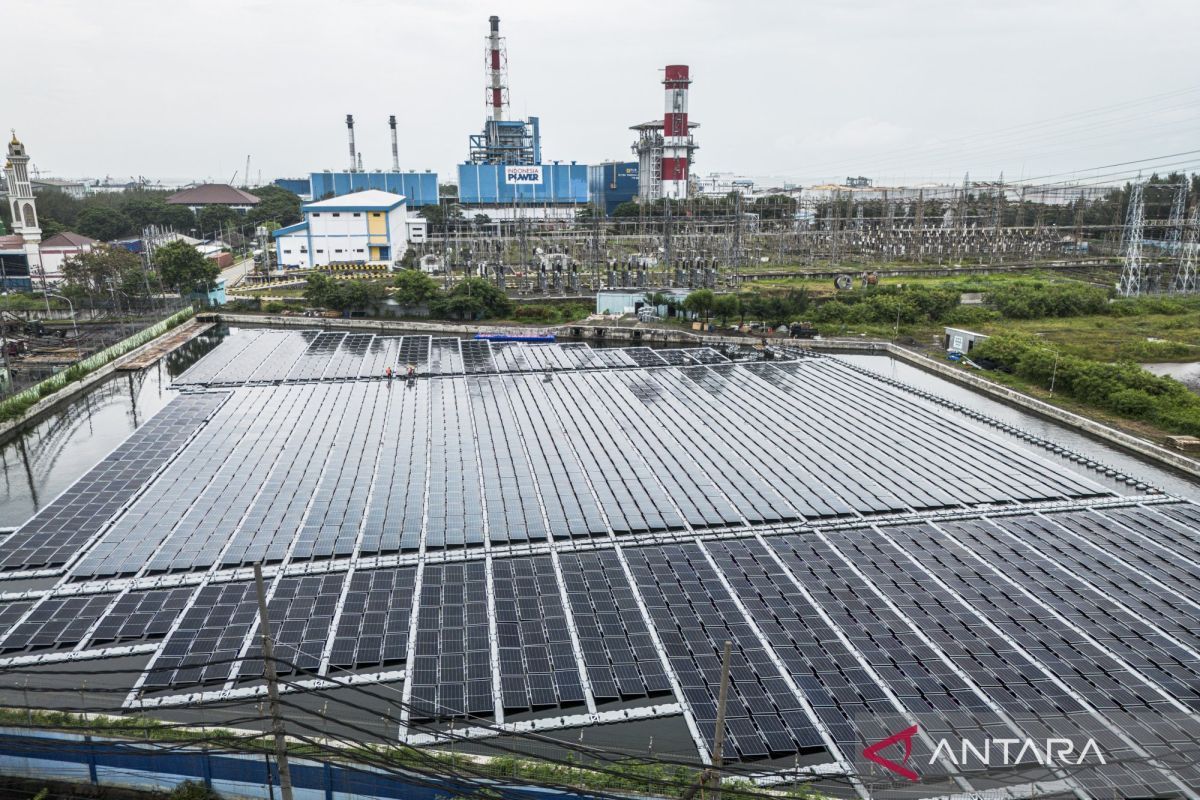
Current geopolitical dynamics serve as a reminder of the fragility of businesses when the lifeline of energy still depends on factors beyond control.
Jakarta (ANTARA) - Regardless of whether the conflict between the United States and Iran subsides or drags on, one thing is increasingly clear: the era when industry players could rely on cheap and stable energy supplies has ended.
Current geopolitical dynamics serve as a reminder of the fragility of businesses when the lifeline of energy still depends on factors beyond control.
This global shock reinforces that disruption is the new inevitability that must be faced. Industry players must position energy as part of their business strategy if they wish to remain resilient against waves of global economic and geopolitical turbulence.
This urgency is even more critical in Indonesia, which faces specific challenges while opening opportunities to reduce dependence on subsidies and affirm long-term sustainability commitments.
Amid the thinning of domestic energy capacity, business sustainability is becoming increasingly vulnerable. According to a report by the Institute for Essential Services Reform/IESR (2025), since 2024, the Java-Madura-Bali region has recorded a power reserve margin below 30 per cent, lower than the minimum threshold of 35 per cent.
This vulnerability is even more felt outside that region. With a minimum power reserve threshold of 40 per cent, Sumatra records only 19 per cent, Kalimantan 21 per cent, and Sulawesi 26 per cent, indicating figures below the required limits. For industry players, this signals the risk of energy supply limitations that could hinder industrialisation and the growth of Indonesia’s industrial sector.
Not only that, concerns about this energy scarcity issue are also voiced by the Indonesian Industrial Estates Association (HKI). In this regard, HKI highlights that electricity and gas supplies have yet to keep pace with the needs of the industrial sector. Some industrial estates even still face logistical constraints that affect production costs and hinder distribution efficiency.
Amid this increasingly evident vulnerability, unfortunately, some industry players still view energy through the lens of costs or merely as an environmental, social, and governance (ESG) obligation.
This situation underscores that the energy transition has not yet been fully understood as it should be, namely as a strategic step to strengthen business resilience amid disruptions and uncertainties.
It is time to renew this perspective. Industry players need to shift the position of renewable energy transition to enter their long-term strategic roadmap, rather than just in short-term cost calculations or ESG fulfilment.
Moreover, this shift in perspective is a call for industry players to collectively build Indonesia’s future while ensuring that the utilisation of Indonesia’s natural resources runs in tandem with tangible contributions to sustainability.
Strategic Investment