
Retail KKI and digital economic inclusivity
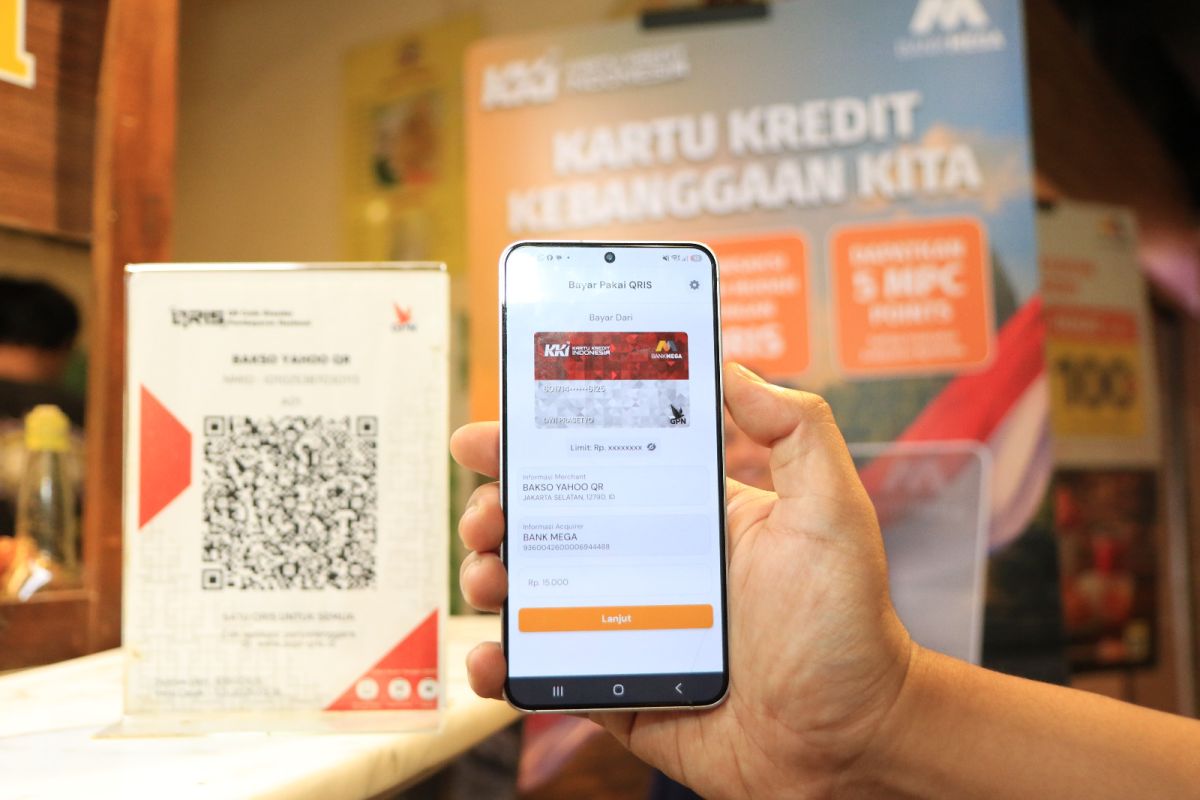
The presence of the retail KKI is not intended to restrict, discriminate against, or replace the role of international principals such as Visa and Mastercard.
Like a gift for a friend celebrating a birthday, the launch of the retail segment of the Indonesian Credit Card (KKI) and the expansion of the QRIS Merchant Discount Rate (MDR) to 0 percent on the 81st Anniversary of the Independence of the Republic of Indonesia is a concrete step to strengthen digital economic inclusion.
Amid the proliferation of digital payment developments, this policy presents a choice of various payment instruments for the public, accompanied by strengthened transaction efficiency and increasingly broad access.
This strategic step is not merely the introduction of a new Card-Based Payment Instrument (APMK) product, but rather a structural transformation to build an increasingly self-reliant domestic payment system.
Until now, the processing of credit-based transactions (deferred payment) in Indonesia has been highly dependent on the infrastructure of global principal networks. From a macroeconomic perspective, this condition poses its own challenges to the resilience of the national payment system.
The retail KKI is present to strengthen that foundation. Relying on the National Payment Gateway (GPN) network, this instrument ensures that financial data processing and transaction settlement are carried out entirely domestically.
Retail cost efficiency