
Restoration of Temples Accelerated to Advance Indonesia's Cultural Tourism
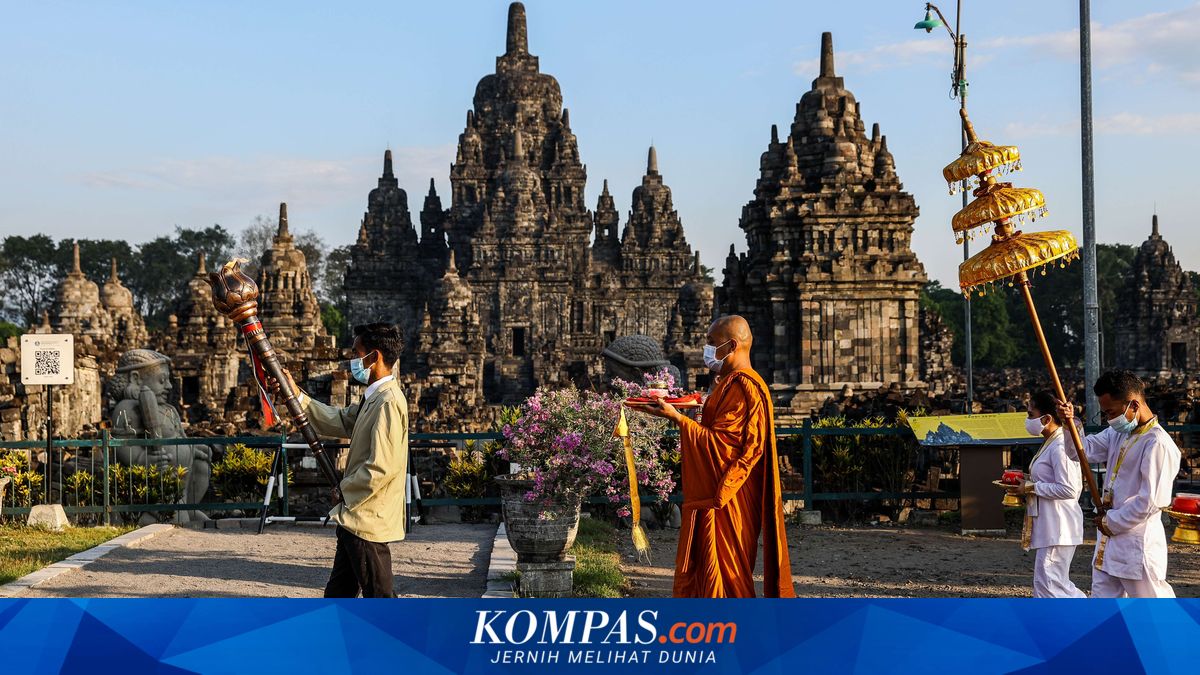
Culture Minister Fadli Zon has underscored the importance of accelerating the restoration of temple structures as an effort to strengthen cultural, historical, and religious tourism in Indonesia. He expressed this commitment during his working visit to Candi Sewu and Keraton Ratu Boko on Friday (17/4). According to Fadli, accelerating restoration cannot be achieved without cross-sectoral collaboration. During his visit, Fadli spotlighted the significant potential of Candi Sewu as a cultural tourism destination. This temple complex, recorded in the Prasasti Manjusrigrha from 792 AD, consists of one main temple, eight flanking temples, and 240 subsidiary temples. He assessed that faster restoration would make the historical and aesthetic value of the temple complex more intact in the coming years. On the same occasion, Fadli also inspected Keraton Ratu Boko, a site spanning approximately 16 hectares that serves as a national cultural heritage asset in Sleman Regency, Special Region of Yogyakarta. He explained that the site’s appeal lies in its gate architecture, bathing area, pendopo-pringgitan, and the authentic blend of Hindu-Buddhist structures. Based on inscriptions found, this area was built in the 8th century AD and to this day retains a stunning natural landscape. Fadli reaffirmed the Ministry of Culture’s commitment to strengthening the preservation and utilisation of cultural heritage as part of the national sustainable cultural development strategy. He also invited the public to visit historical sites more frequently, particularly Keraton Ratu Boko. With accelerated restoration and multi-sectoral support, the government hopes that temple complexes and other historical sites can once again appear majestic, while becoming important pillars for Indonesia’s cultural tourism.