
Rest Area Density and Gilimanuk Highlighted in 2026 Mudik Evaluation
Transport Minister Dudy Purwagandhi has noted several issues encountered during the implementation of the 2026 Lebaran transportation. There are several notes that will serve as material for evaluation and improvement for next year’s operations.
Dudy explained that overall, public transportation modes—both land, rail, sea, and air—proceeded well, with an increase in the number of public transport vehicles used by the public.
“Relatively, there were no prominent issues in the implementation of the mudik or return flows,” Dudy stated in his official remarks on Friday (9/4/2026).
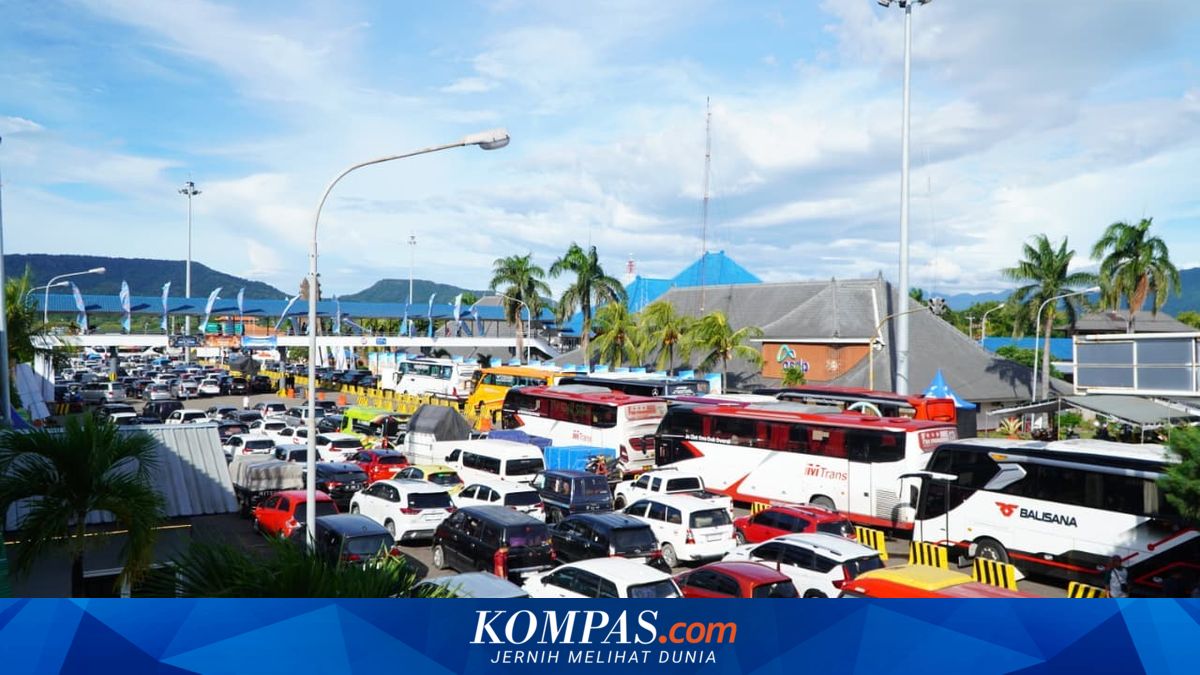
Density occurred at the Km 57 rest area on the Jakarta-Cikampek Toll Road during the peak mudik flow, Gilimanuk Port, and access to the Sumatra Toll Road.
Regarding this situation, Dudy said that several evaluations have been conducted with ministries/institutions and related stakeholders.
“We have conveyed to the Ministry of Public Works and Jasa Marga to evaluate the Km 57 rest area as well as other rest areas, and to carry out mitigation so that similar incidents do not recur,” he said.
Meanwhile, for the density at Gilimanuk which once caused complaints from mudik participants, Dudy acknowledged that the condition occurred for two days during the mudik period but was resolved on the third day.
“At that time, we handled it by utilising buffer zones and accelerating the crossing of large vehicles. We also prioritised two-wheeled vehicles to cross first,” he stated.
Although overall the 2026 Lebaran transportation ran well, improvements will continue to be made involving all related stakeholders in handling the Lebaran mudik and return flows.