
Response to IDX: Petrosea (PTRO) Reveals Strategy for Selling Subsidiary KMS and Its Financial Impact
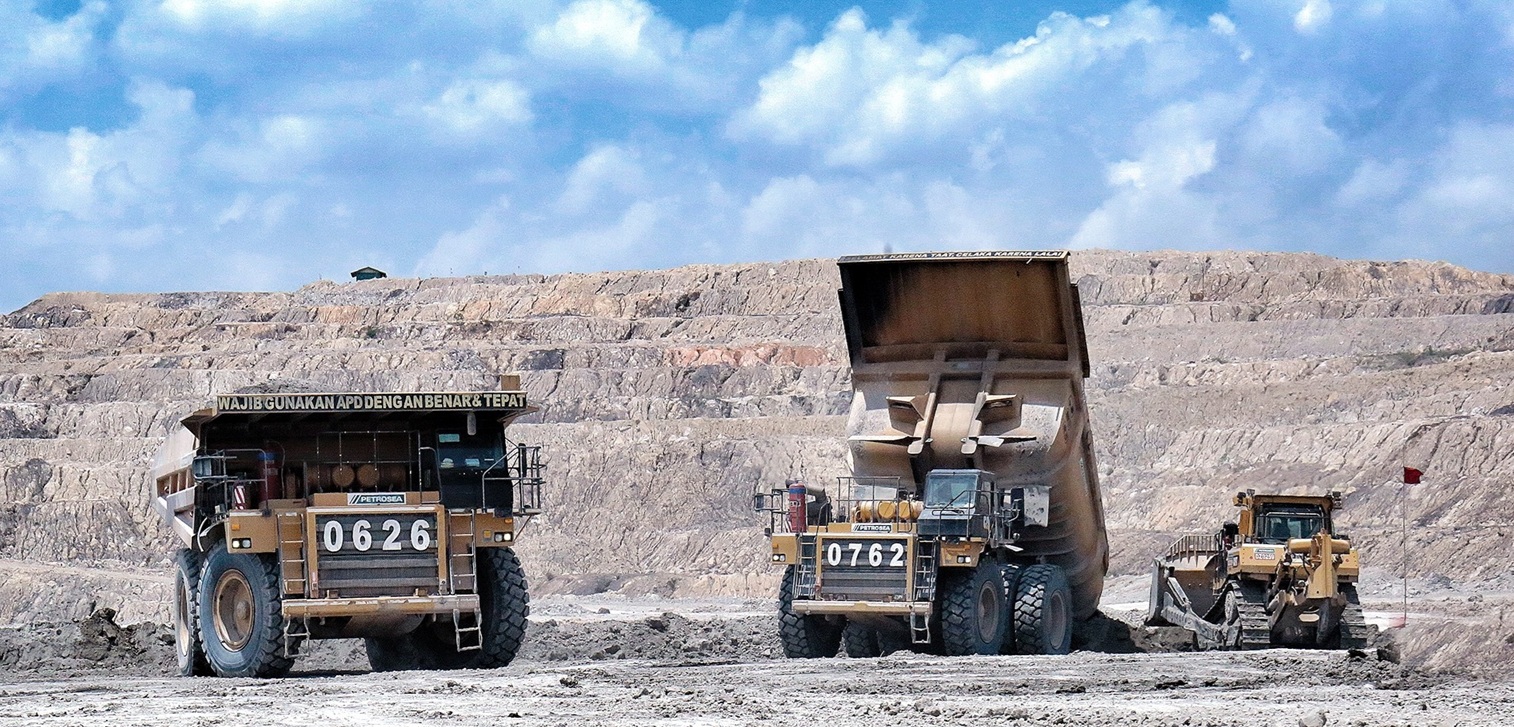
PT Petrosea Tbk (PTRO) has submitted an official explanation to the Indonesia Stock Exchange regarding the planned sale of its subsidiary, PT Kemilau Mulia Sakti (KMS). This disclosure is crucial as it provides insight into the company’s business strategy direction and its impact on financial performance.
PT Petrosea Tbk is an integrated mining services, EPC, and logistics company in the energy and resources sector, affiliated with the Prajogo Pangestu conglomerate.
In a disclosure to the Indonesia Stock Exchange (IDX) on 21 April 2026, the company affirmed that this transaction is part of a portfolio restructuring strategy to focus on core businesses.
Focus on Core Businesses
Management stated that the divestment of KMS follows a comprehensive evaluation of business lines. The company aims to improve efficiency and strengthen its focus on mining, EPC, EPCI, and logistics sectors.
This step also opens opportunities for expansion into other mineral sectors deemed to have long-term prospects. Additionally, the transaction is expected to provide greater financial management flexibility.
With a leaner business structure, Petrosea targets scaling up its operations in the future. Portfolio optimisation is key to maintaining competitiveness in the industry.
Fund Allocation and Transaction Value
Petrosea disclosed that the transaction value for selling KMS is Rp1.73 trillion. This value was determined based on an independent valuation using discounted cash flow and adjusted net asset methods.
The independent appraiser used was KJPP Suwendho Rinaldy and Associates. Approximately 70% of the transaction proceeds will be used to settle long-term loans.
The remainder will be allocated for operations, investments, and other corporate needs. This strategy is expected to improve the company’s capital structure.
Impact on Financial Performance
On a pro forma basis, this transaction is projected to enhance several financial indicators. Current assets will rise from US$558.8 million to US$643.8 million, while long-term liabilities will decrease.
Net profit will also increase from US$35 million to US$39.6 million. On the other hand, non-current assets will decline in line with the divestment of the entity.
However, equity and retained earnings will actually increase, reflecting an improved financial structure. Investment cash flow will also show lower pressure post-transaction.
KMS Contribution and Goodwill Clarification
KMS’s contribution to Petrosea is relatively limited. KMS revenue accounts for only about 6% of total revenue, while assets are around 5%.
KMS even recorded a net loss, which pressured consolidated performance. Management also clarified that this transaction is not related to goodwill impairment issues.
Impairment tests are conducted routinely, and the results show no impairment losses. Thus, the divestment decision is purely strategic.
Summary Information Table
Source: PTRO
Conclusion
Petrosea’s move to sell KMS reflects a strategy to focus on core businesses and strengthen financial structure. The impact is fundamentally positive, particularly in terms of profit and efficiency. However, its effectiveness will depend on execution and future expansion direction.
Source: jawawa.id (https://jawawa.id/newsitem/response-to-idx-petrosea-ptro-reveals-strategy-for-selling-subsidiary-kms-and-its-financial-impact-1776844328)
Originally published by bareksa.com (https://www.bareksa.com/berita/saham/2026-04-21/jawab-bei-petrosea-ptro-ungkap-strategi-jual-anak-usaha-kms-dampaknya-ke-keuangan), translated from Indonesian