
Responding to the Climate Crisis Alarm
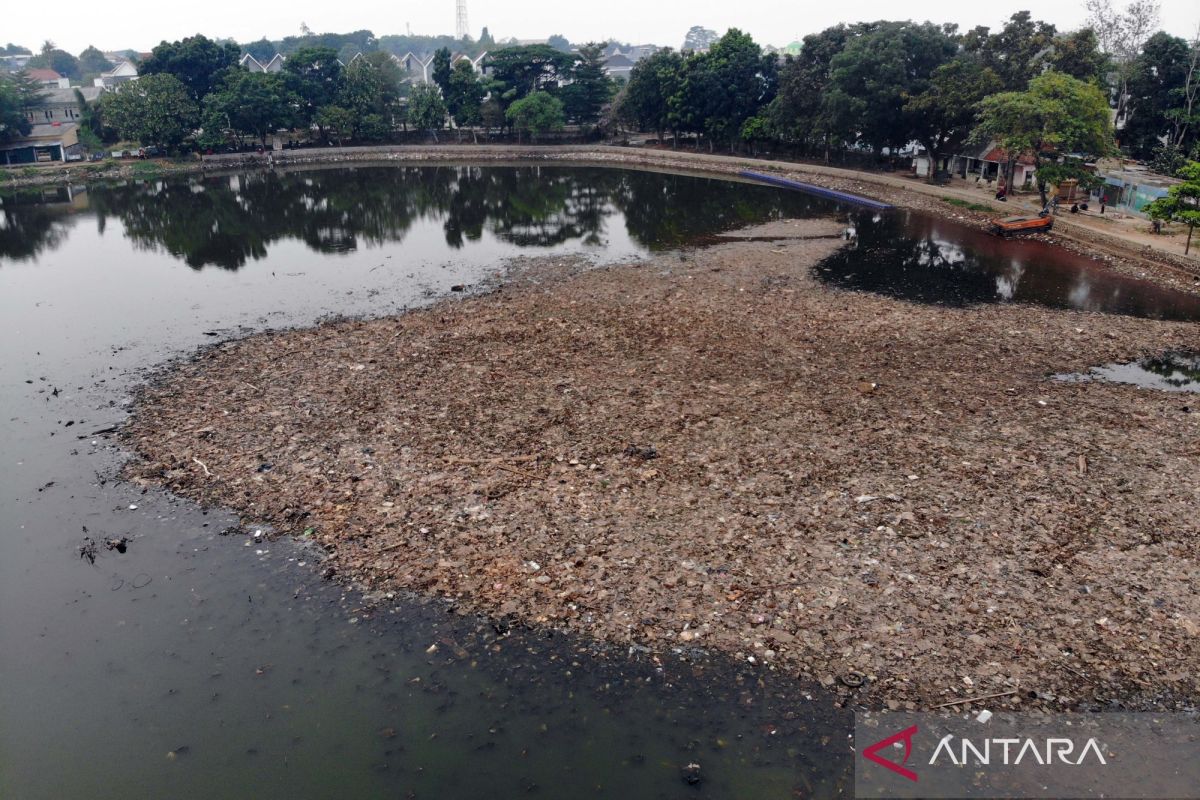
The issue with the current climate crisis is not a lack of warnings, but rather the slow response to those warnings with concrete action.
When risks are predictable, the time before impacts occur should serve as a window for decision-making, protecting communities, and reducing losses. If action only begins after impacts manifest, the opportunity to prevent damage narrows significantly.
The Emissions Gap Report 2025: Off Target, published by the United Nations Environment Programme (UNEP), shows that current policies place the world on a path to warming of up to 2.8 degrees Celsius throughout this century. Even if Nationally Determined Contributions (NDCs)—national climate commitments under the Paris Agreement—are fully implemented, warming is projected to reach between 2.3 and 2.5 degrees Celsius.
This gap demonstrates that existing commitments are insufficient to curb the rate of warming and mitigate losses before the window of opportunity shrinks and costs continue to escalate. UNEP also estimates that average global temperatures will exceed 1.5 degrees Celsius within the next decade. This breach must be limited through faster and larger emission reductions to mitigate risks and maintain the possibility of returning to 1.5 degrees Celsius by 2100.
The impact is not merely a matter of weather. Phenomena observed in 2026 demonstrate how heat and water stress can ripple into economic sectors. In France, heatwaves and declining river levels temporarily limited the operation of nuclear power plants that require water for cooling.
In Germany, the receding water levels of the Rhine River restricted shipping capacities and disrupted goods distribution. Meanwhile, in the Panama Canal, water availability pressures have once again prompted restrictions on cargo loads and the number of ship transits starting from September 2026.
Water disruptions can cascade into issues regarding energy, transport, industry, trade, and even finance. The better risks can be predicted, the greater the space to act before mitigation options become more expensive.
Indonesia faces similar challenges. In 2026, El Niño serves as a critical signal that must be translated into preparedness.