
Responding to Rolling Blackouts, MPR Deputy Speaker Stresses Urgency of Energy Transition
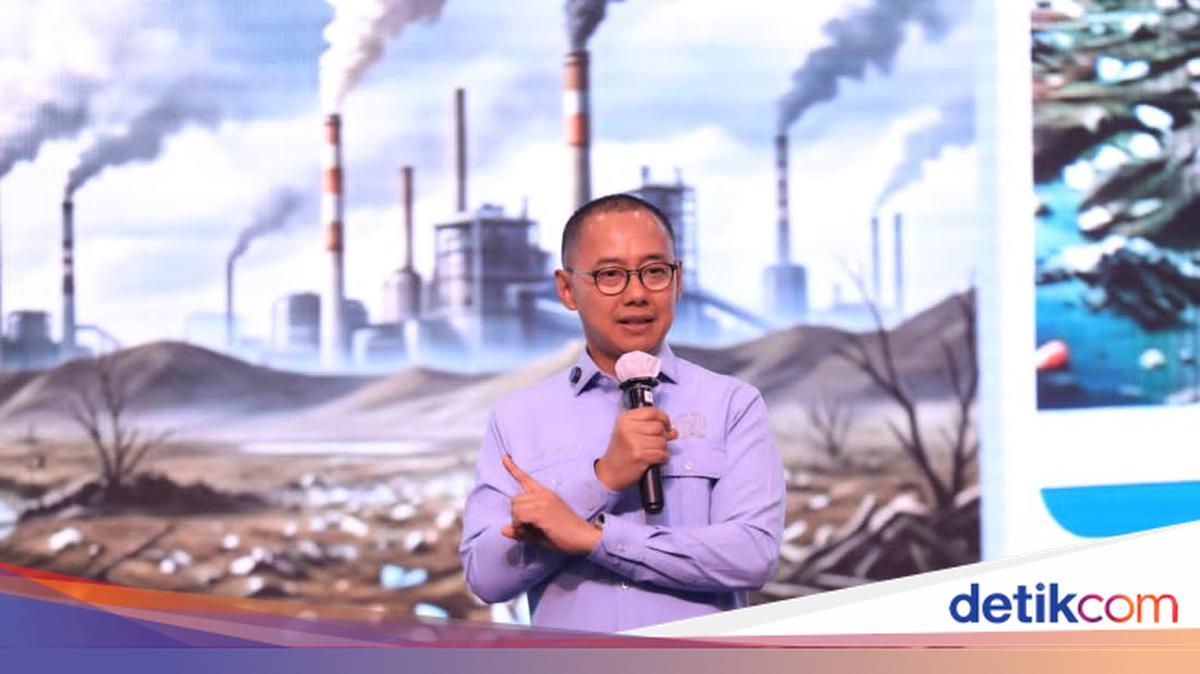
Wakil Ketua MPR RI from the National Mandate Party (PAN) faction, Eddy Soeparno, responded to the explanation from PLN and the government regarding rolling blackouts in several regions, caused by disruptions at related coal-fired power plants (PLTU). According to Eddy, this incident must serve as a momentum for a serious evaluation of Indonesia’s energy resilience, which is still heavily dependent on coal-fired PLTUs. “This rolling blackout incident shows that an excessive dependence on a single energy source creates a systemic vulnerability that must be addressed immediately,” Eddy stated on Monday (22/6/2026). Eddy asserted that this event proves the issue of energy transition is not merely an environmental matter, but also concerns national energy security, economic competitiveness, and strategic infrastructure resilience. “Today we see that energy resilience is not sufficiently measured by the availability of coal. Energy resilience must be measured by the system’s ability to provide reliable, affordable electricity that is resistant to supply disruptions and climate change,” he stressed. Eddy emphasised that the urgency of the energy transition is also directly linked to the national industrialisation agenda, which is currently a government priority. According to Eddy, Indonesia needs an increasingly reliable electricity system to support mineral downstreaming, the development of industrial estates, high-tech manufacturing, electric vehicles, and the growth of data centres that form the backbone of the digital economy. “Indonesia is building the industrial ecosystem of the future. Smelters, industrial estates, electric vehicle battery factories, semiconductor industries, and data centres all require a stable electricity supply 24 hours a day,” explained the PAN Deputy Chairman. Large-scale electricity supply disruptions have the potential to reduce Indonesia’s investment competitiveness, he added. Eddy explained that according to various international projections, national electricity demand is expected to more than double before 2060, in line with the acceleration of industrialisation and economic digitalisation. On the other hand, global companies are increasingly considering carbon footprint and access to clean energy as primary factors in determining investment locations. “Global investment competition today is not just about labour wages or fiscal incentives. Many investors are beginning to ask whether a country can provide clean, stable, and competitive electricity,” asserted the Doctor of Political Science from the University of Indonesia (UI). “Therefore, the acceleration of renewable energy must be viewed as both an environmental agenda and an economic and industrial strategy,” he continued. As a leader of the MPR RI, Eddy stated his efforts to continue pushing for stronger national policies that support the acceleration of the energy transition, enhance the resilience of the electricity system, and achieve Indonesia’s sustainable development targets towards a green economy and Net Zero Emission (NZE). “The rolling blackouts we are experiencing today are a reminder that the cost of delaying the energy transition could be far more expensive than the cost of accelerating it. Renewable energy is no longer a future option, but a strategic necessity for Indonesia today,” he concluded.