
Responding to Komnas HAM, Human Rights Minister Affirms Free Nutritious Meals Programme as Part of Development
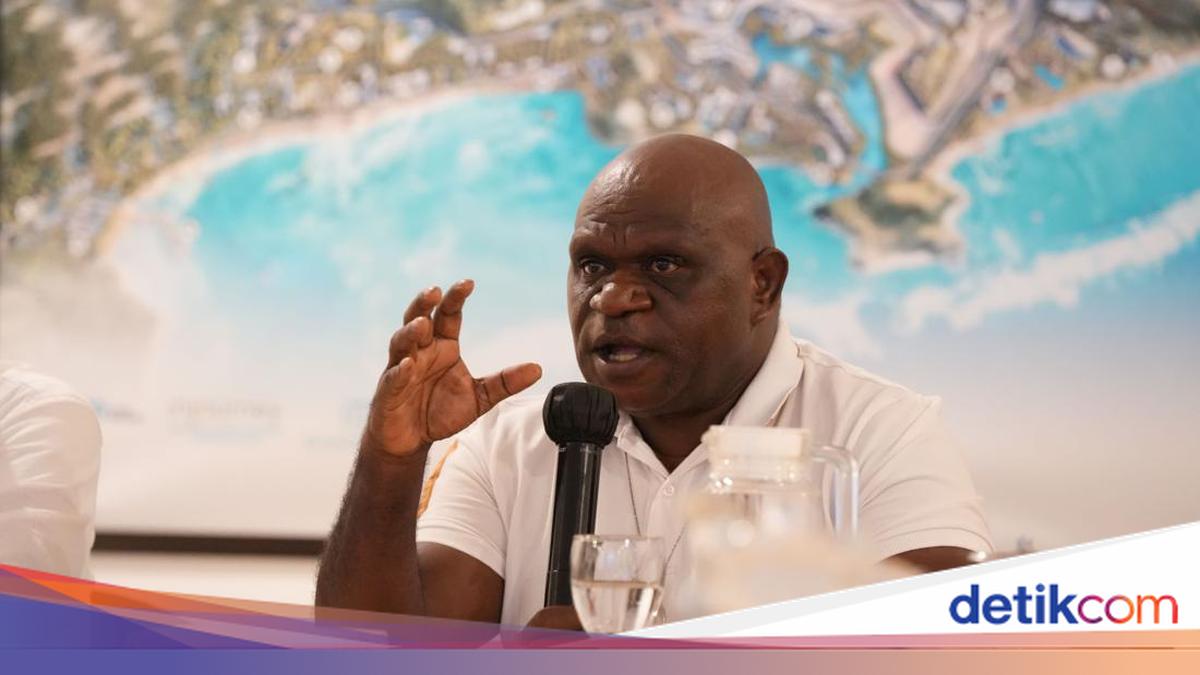
The Minister of Human Rights, Natalius Pigai, has asserted that the Free Nutritious Meal (MBG) programme is part of a developmental process aimed at realising the fulfilment of the public’s basic rights.
This statement was made in response to assertions by the National Commission on Human Rights (Komnas HAM) suggesting there are strong indications of human rights violations in the implementation of the MBG programme.
Pigai emphasised that criticism and evaluation of programme implementation are natural within a democratic system. However, he maintained that assessments regarding human rights violations must be conducted carefully and proportionally to avoid creating false perceptions of a programme fundamentally designed to strengthen the fulfilment of basic rights, particularly for the most vulnerable groups.
“In the context of human rights, MBG is an ongoing process of achieving fulfilment of human rights needs. Furthermore, the MBG programme is a development process in achieving human rights standards. Therefore, it should not be labelled as a human rights violation. Komnas HAM’s comments are clearly very shallow and do not understand human rights principles,” Pigai stated in a press release on Tuesday (16/06/2026).
“However, the need for evaluative assessment is valid. Do not suddenly claim human rights violations. One does not understand human rights principles if they speak carelessly like that,” he added.
Pigai explained that the MBG programme, designed to improve public nutritional quality—especially for vulnerable groups—is part of the state’s efforts to fulfil human rights obligations. This aligns with the endeavour to realise human rights as part of a sustainable global agenda aimed at ensuring dignity, equality, freedom, and the fulfilment of basic needs for all citizens without discrimination.
“In an international framework, nations are encouraged to strengthen community protection systems through the provision of health, education, food, and various other basic services as part of the responsibility to fulfil human rights,” he said.
According to him, various international human rights instruments also place the right to food, health, and education as vital components of human rights-based development. Programmes aimed at expanding public access to these basic needs, including MBG, are in line with global standards continuously developed by various international institutions, including human rights mechanisms under the United Nations (UN).
He added that the modern human rights framework is closely linked to the 2030 Sustainable Development Goals (SDGs) agenda.
“In this context, a development approach that prioritises social equality, poverty reduction, and the empowerment of vulnerable groups is an essential part of the human rights fulfilment strategy,” explained the Human Rights Minister.
Consequently, he assessed that MBG is an instrument to accelerate these goals through the improvement of public nutrition and health quality.
“The MBG programme intentionally focuses on those most left behind first, striving towards empowerment and inclusivity for the youth and marginalised groups,” he added.
Previously, Komnas HAM presented the results of its monitoring and assessment of the MBG programme implementation, stating there were strong indications of human rights violations in the programme’s governance.
Komnas HAM highlighted several aspects, including a beneficiary scope deemed too broad which could potentially reduce targeting accuracy, the need for strengthened oversight and transparency, the optimisation of inter-agency coordination, the improvement of nutritional quality standards, and the protection of the rights of workers involved in the programme’s execution.
Based on these initial findings, Komnas HAM recommended a thorough evaluation of MBG governance to ensure its implementation becomes more effective and aligned with human rights principles.