
Residents Use Proxies to Claim Social Assistance, Expert: Reflection of System Failure
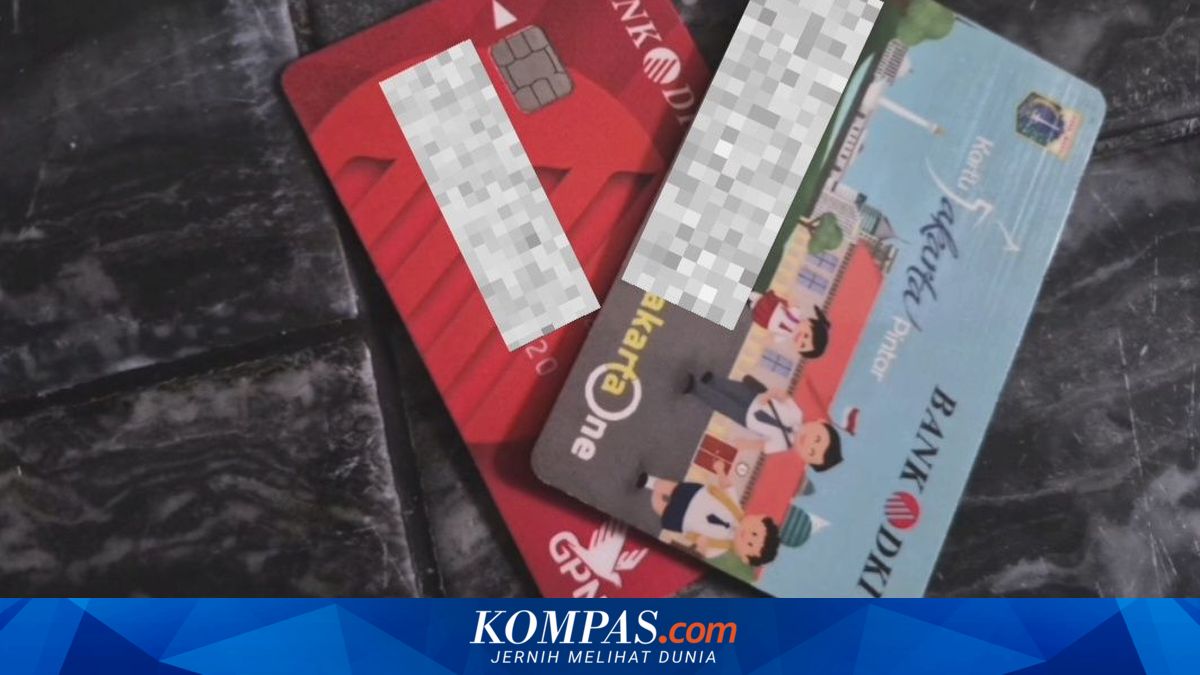
JAKARTA – Several residents admit to being forced to use proxy services to claim social assistance (bansos) because the process is deemed not straightforward. These proxy services are commonly used when residents wish to access social assistance in the form of subsidised food. This assistance can be accessed by holders of the Jakarta Elderly Card (KLJ), Jakarta Disability Card (KPDJ), Jakarta Children’s Card (KAJ), and Jakarta Smart Card (KJP). Social assistance is not only disbursable in cash but can also be used to redeem subsidised basic necessities. However, to obtain these basic necessity packages, the public must go through a fairly lengthy process. They are required to register online and obtain a barcode first. This situation is what drives some residents to opt for proxy services. “Well, rather than queuing, it’s better to use a proxy service, just pay Rp 40,000 and wait at home,” said one resident, Iin (52), when interviewed in the South Jakarta area on Wednesday (8/4/2026). One social assistance proxy, Refa (not her real name, 35), admitted that many residents use her services because they have difficulty obtaining barcodes. “All the reasons are the same because they can’t get the online barcode to redeem subsidised food assistance. Because at 07.00 WIB online, by 07.03 WIB it’s already sold out, so it requires quick hands,” she explained when met by Kompas.com in South Jakarta on Wednesday. Not infrequently, certain commodities are out of stock, so she has to move to another outlet and queue again. Sociologist from Universitas Negeri Jakarta (UNJ), Rakhmat Hidayat, views the emergence of social assistance proxy practices as evidence of system failure. “This reflects a larger system failure than the individual issues involved,” Rakhmat stated when contacted by Kompas.com on Thursday (9/4/2026). According to him, although the individuals involved have economic motives, this practice arises because the social assistance distribution system is not yet transparent and adequate. Complicated procedures push the public to seek alternatives to still obtain the assistance.