
Residents Maintain Landhuis Tjililitan Heritage Site
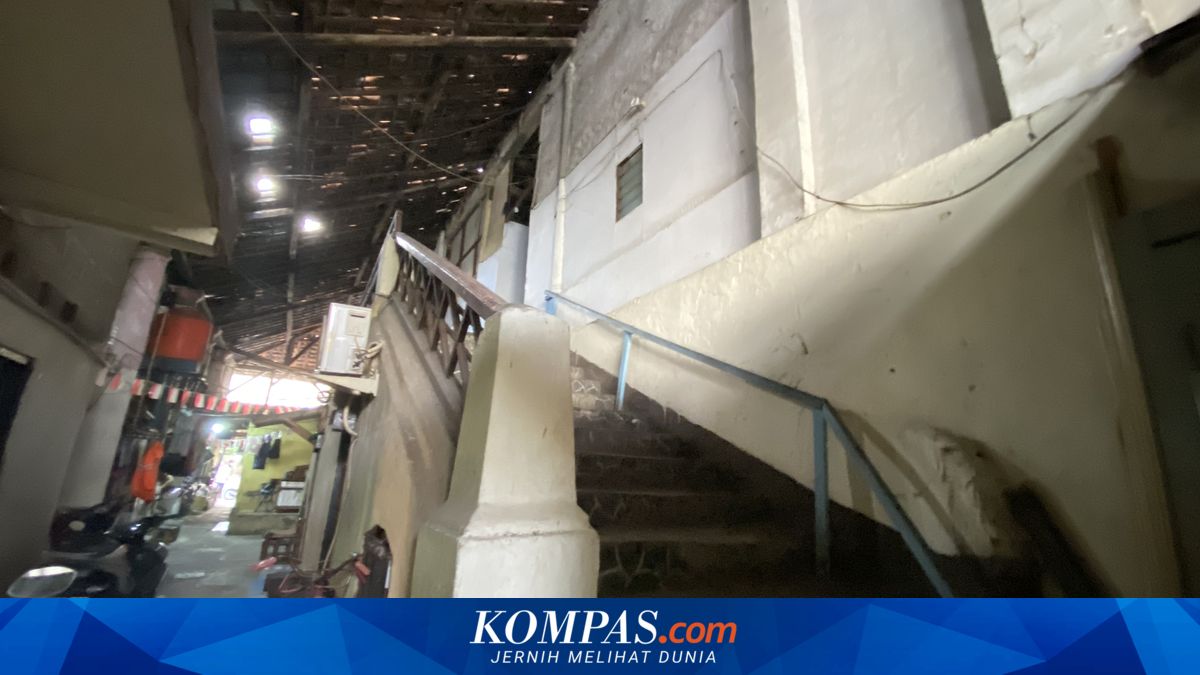
JAKARTA – Amid the dense residential area of Kramat Jati in East Jakarta, the old Landhuis Tjililitan building stands resilient despite its age, limitations, and the burden of being a home for residents.
The structure, designated as a Suspected Cultural Heritage Object (ODCB), not only holds architectural value but also serves as a residence for dozens of families who have lived there since the 1960s and 1970s.
For decades, residents have consistently maintained the building through community efforts, amid unclear management and ownership status of the state-owned land it occupies.
Joko Setio, chair of RW 005 in Kramat Jati, said residents have long been the primary caretakers due to the government’s minimal direct involvement in daily upkeep.
He explained that the building’s lack of proper function led to its occupation by residents in need of housing, as the Jakarta Provincial Government provided no active management or maintenance.
Joko stressed that residents still lack clarity on land ownership and building management.
‘Currently, it’s unclear who is technically responsible for management. Residents merely occupy and maintain it,’ he said when interviewed by Kompas.com on Monday, 25 May 2026.
He added that residents have been actively preserving the structure, carrying out minor repairs to pillars, roofs, and decaying floors.
‘If parts are damaged, residents contribute funds. It can’t be left to deteriorate as it’s our home,’ he said.
However, despite these efforts, Joko acknowledged ongoing uncertainty about future redevelopment or eviction.
Meanwhile, RT 005 chair Rumaji explained that residents’ presence in the building was gradual, starting when it ceased optimal use in the late 1960s.
‘Occupation began around the 1970s, initially with a few individuals before expanding into families,’ Rumaji said when interviewed.