
Residents Cry Foul as Electricity Tariffs Surge Up to 90%, Factories Face Bankruptcy
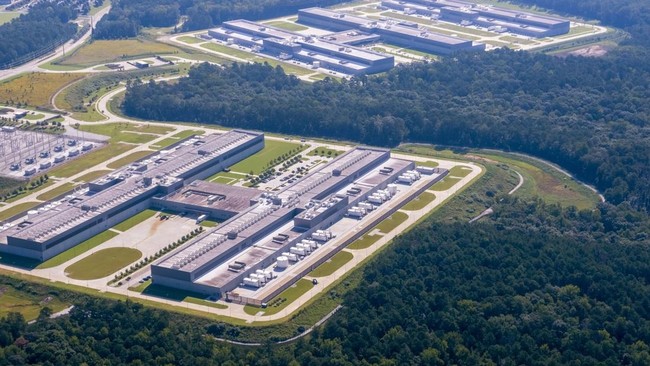
Jakarta, CNBC Indonesia – The massive development of artificial intelligence (AI) technology has not only brought convenience, but has also begun to create interlinked crises in the real sector. The surge in power demand required to operate giant technology data centres is now being blamed for skyrocketing global electricity bills, particularly in the industrial sector.
The domino effect of this ‘power apocalypse’ has begun claiming victims. According to a Reuters report, several manufacturing sectors in the heart of America’s industrial region (the Rust Belt), such as Ohio and Pennsylvania, have had to face the bitter reality of electricity tariffs soaring wildly by up to 90% over the past year.
The situation has triggered widespread panic among retail business owners and residents, while local factories are now on the brink of bankruptcy due to operational burdens that have become unreasonable.
One real example concerns Belden Brick Company, a 141-year-old brick manufacturer from Sugarcreek, Ohio. The company, whose products are embedded in iconic buildings such as The Alamo and the University of Notre Dame, reported that its monthly electricity capacity charge rocketed from just US$1,600 (around Rp 29 million) to US$12,000 (equivalent to Rp 217 million) per month.
“Yet we have not added any new machines, nor increased our employees’ working hours. However, the electricity grid around us has changed drastically,” the report stated, quoting complaints from manufacturing industry players.
AI Profits, Manufacturing Takes the Sting
Based on a comprehensive energy data review by Reuters and interviews with dozens of factory representatives and industry advocates, electricity bills for the factory sector have risen far faster than for households or other small businesses.
The tariff surge is due to rising capacity costs on regional electricity transmission networks, such as PJM Interconnection, which manages the electricity market in the US Midwest and Mid-Atlantic regions. PJM’s capacity price unexpectedly soared by more than 1,000%, from just US$28.92 per megawatt-day in 2024 to US$329.17.
AI data centres account for a very large share of the demand surge. Some 40% of the latest electricity network auction, worth US$16.4 billion, was spent solely to support the power needs of data centres.
As a result, industrial electricity prices in Pennsylvania jumped 31% year-on-year, and in Ohio surged 26%. These figures far exceed the average national industrial tariff increase of around 7%. Meanwhile, local residents and households in both regions have also felt the pinch, with tariff increases of 14% and 9% respectively.
This situation has raised alarm bells for the local economies’ stability. If AI technology developers and regulators do not promptly formulate fair energy tariff allocation regulations, a wave of bankruptcies among conventional manufacturing industries is only a matter of time.