
Residents Complain About Off-Road Motorbike Activity on Rinjani’s Southern Route; National Park Agency Says It Is Illegal
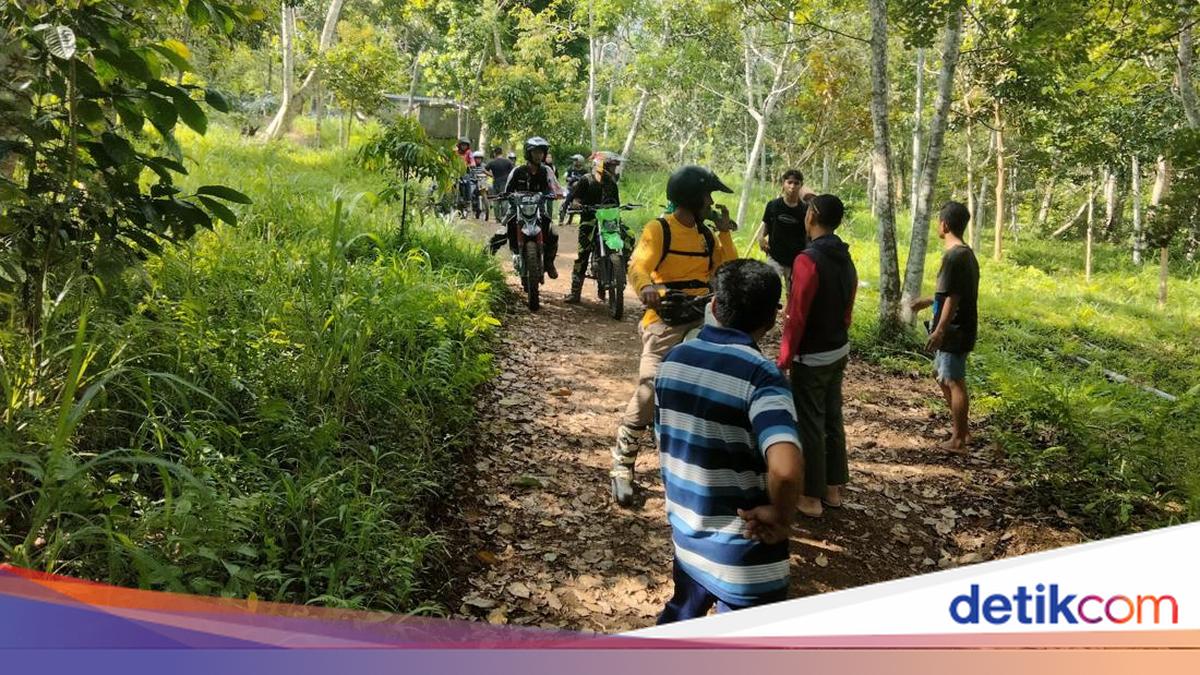
Residents have condemned off-road motorbike activity along the southern route of Mount Rinjani, at the Timbanuh entrance in Pringgasela subdistrict, East Lombok, West Nusa Tenggara. The Gunung Rinjani National Park Agency (TNGR) says the activity is illegal.
Local resident Herman Farozi said trail-bike groups had been riding in the area for a long time. He said their use of motorbikes to cross forest terrain was disturbing the surrounding community.
“We have often warned these trail-bike groups because they disrupt residents’ peace and our village’s clean-water route,” Herman said on Thursday (15 October 2026).
Herman said residents of four villages were concerned that the activity could pollute water sources, particularly through mud and possible fuel or oil seepage from the motorbikes.
“Residents of these four villages are now angry because their springs are being disturbed. We fear the water could be contaminated by mud and smell of petrol and oil. This is not simply about water volume, but about protecting the quality of the water consumed by the community,” he said.
Herman stressed that residents had no fundamental objection to trail-bike groups as long as their activities did not interfere with local interests. “If they are polite and behave considerately—for example, by not revving their engines when passing people’s homes—there is no real problem. But if they disturb residents’ water sources, they must take responsibility,” he added.
Aziz Setia Eka Budi, head of the TNGR Timbanuh post, said off-road riding inside the national park was illegal. He said the groups usually entered the Rinjani area through unofficial access points.
“TNGR does not permit trail riding inside the area because it can disturb wildlife, damage hiking trails and routes used by residents gathering grass, and even damage water pipes,” Aziz said.
Aziz said the area was connected to clean-water sources for two villages, Pengadangan and Timbanuh. He said he had repeatedly turned back riders entering the conservation area, but the activity continued to recur at certain times.
“We have often turned back off-road riders. This kind of activity usually takes place during holidays and as the dry season begins,” he said.
“Going forward, we will conduct monitoring collaboratively with security agencies, village governments and the surrounding community,” he said.