
Resident Complaints Prompt Kampung Bali Clearance in Central Jakarta
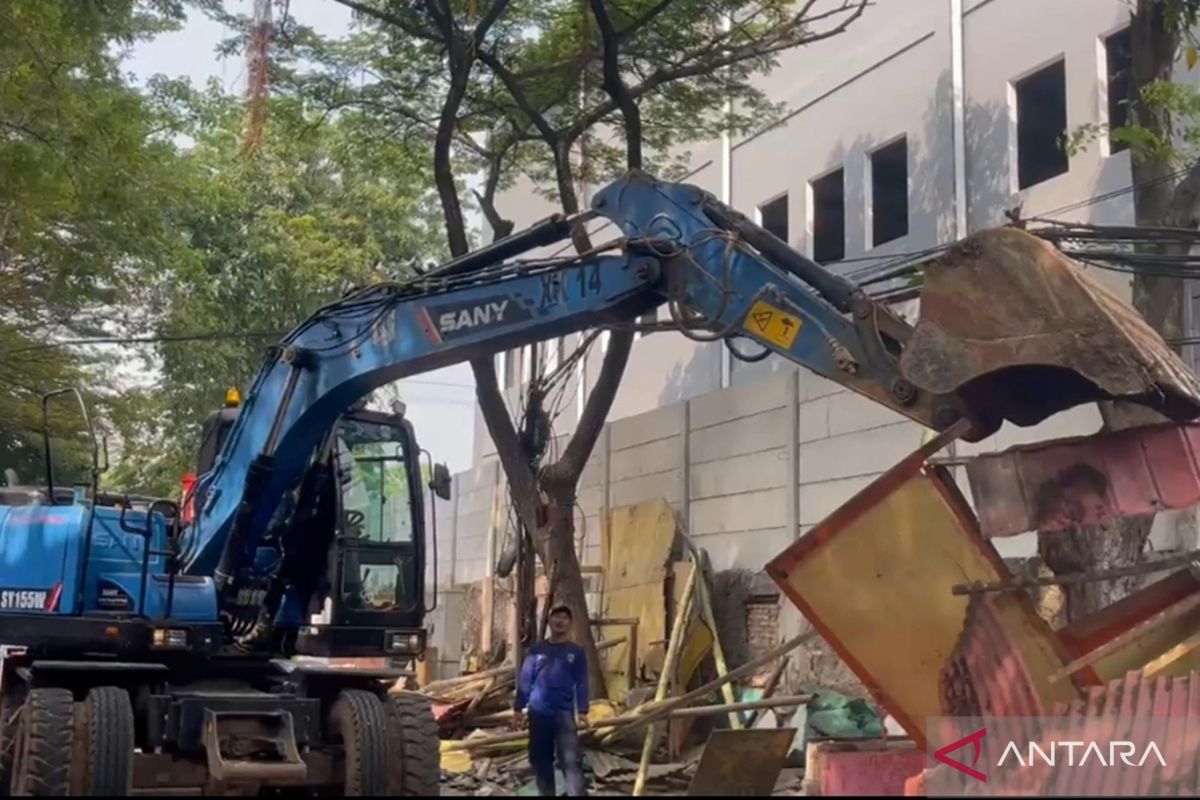
The Kampung Bali sub-district office in Tanah Abang, Central Jakarta, has stated that the plan to evict seven semi-permanent structures on Jalan Kampung Bali XXXII, RT 02/RW 09, originated from repeated public complaints submitted through the Cepat Respon Masyarakat (CRM) service. Kampung Bali Sub-district Head Musa revealed that his office received at least four reports regarding the condition of the buildings, which stood on public and social facilities (fasos-fasum), before taking enforcement action. “Initially, this was the result of repeated Cepat Respon Masyarakat (CRM) actions, there were four CRMs,” Musa said when contacted in Jakarta on Monday. After receiving the reports, his office immediately followed up through the TL-CRM mechanism and took a persuasive approach with the occupants. During this process, the Kampung Bali sub-district office confirmed that the land was not the right of the occupants, as it was situated on a water channel and within a public facility area. “We carried out the TL-CRM process. After that, we conducted persuasion and an approach. After studying it, it turned out that they indeed had no right to be there,” said Musa. His office then carried out administrative procedures, including issuing staged warning letters, before deciding to proceed with the eviction. According to Musa, most of the occupants were actually tenants of the buildings, and only one person claimed to be the manager of the site. However, the investigation showed that the person claiming to be the manager also did not possess any ownership documents for the land. “Actually, I have confirmed it, he does not have any proof because it is indeed on top of a water channel, on public and social facilities,” Musa stated. He mentioned that the complaints received included issues related to blocked water channels, slum-like environmental conditions, and access alleys that were considered chaotic. “It was because of the many complaints. The condition of the blocked drains, the slum-like conditions, the uncomfortable situation. People entering the alley found it a mess,” Dwiarti revealed. She also disclosed that the government had given the occupants the opportunity to use the location for years. However, when the existence of the buildings was deemed to disrupt the function of public facilities and triggered public complaints, reorganisation became a necessary step. “The government hopes that this enforcement can restore the function of the drains and public facilities while creating a more orderly, clean, and comfortable residential environment for the residents,” Dwiarti added.