
Resembling a Hospital: How Ant Colonies Share Duties to Care for Their Wounded
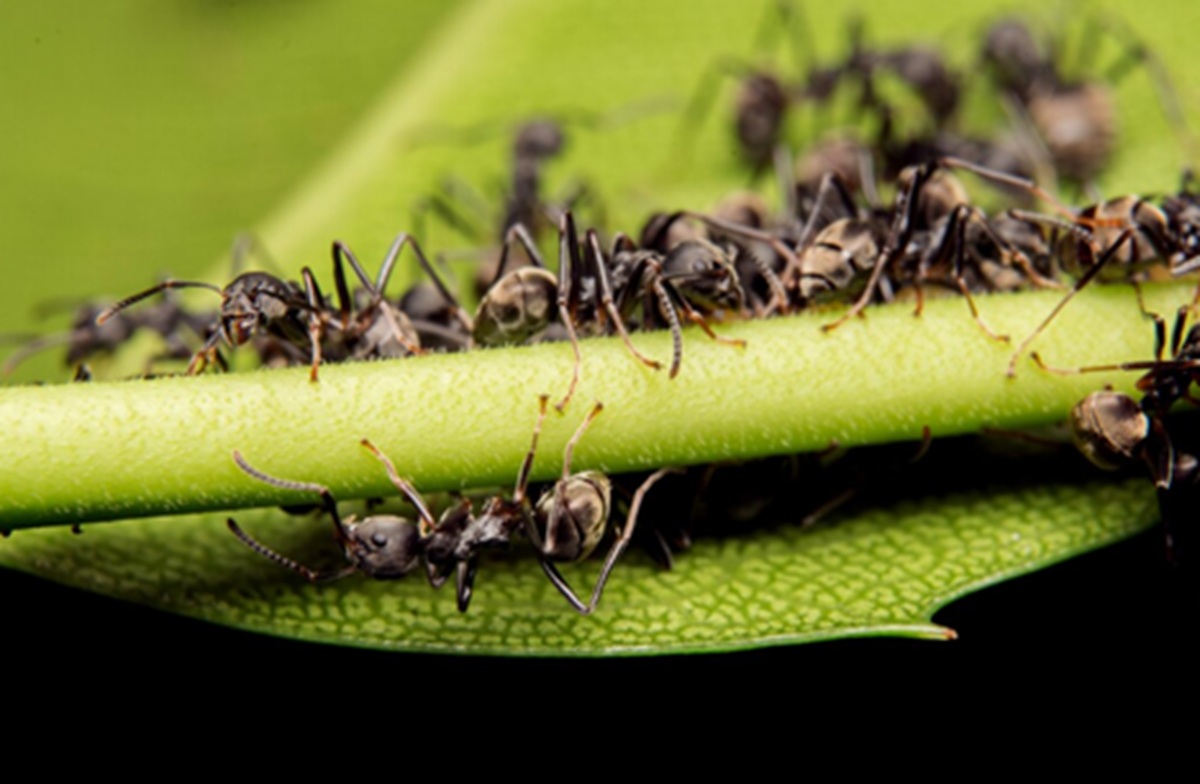
In the animal kingdom, survival is often portrayed as a brutal individual struggle. However, recent research on the matriarchal ant species Megaponera analis reveals a remarkable exception. These ants possess a highly organised medical system to rescue and treat injured colony members after battle. Megaponera analis ants are known as aggressive termite hunters. During raids on termite mounds, many ants lose limbs or sustain severe injuries from termite soldier bites. Rather than abandoning their dying comrades, the colony employs evacuation and care procedures akin to a human medical triage system. When an ant is wounded on the battlefield, it releases a specific pheromone as a distress signal. Nearby rescuer ants promptly arrive, assess the severity of the injury, and then carry the ant back to the nest. Once inside the nest, the intensive care process begins. Researchers observed that nurse ants clean the torn or severed wounds of their nestmates using secretions from their mouth glands. This fluid is known to contain antimicrobial substances that prevent fatal infections from bacteria or fungi. More impressively, the study found that the colony organises this division of care labour efficiently without a single command. The caregiving behaviour appears to be divided based on experience or age within the colony. Older ants, or those no longer active in hunting outside the nest, take on the role of permanent nurses inside the dwelling, ensuring a supply of wound-cleaning fluid is always available for those in need. The success rate of this natural medical system is remarkably high. Wounded ants that receive intensive care inside the nest have up to a 90 per cent chance of survival and can return to foraging activities within days. In contrast, wounded ants deliberately separated from the colony by researchers and left untreated almost all died within 24 hours due to infection. This flexible task allocation system and rapid response to chemical signals prove that ant social coordination is far more complex than previously thought. They not only work together to gather food but also invest heavily in saving each other’s lives to maintain the strength and continuity of the entire colony.