
Researchers say climate change increases economic pressure on vulnerable groups
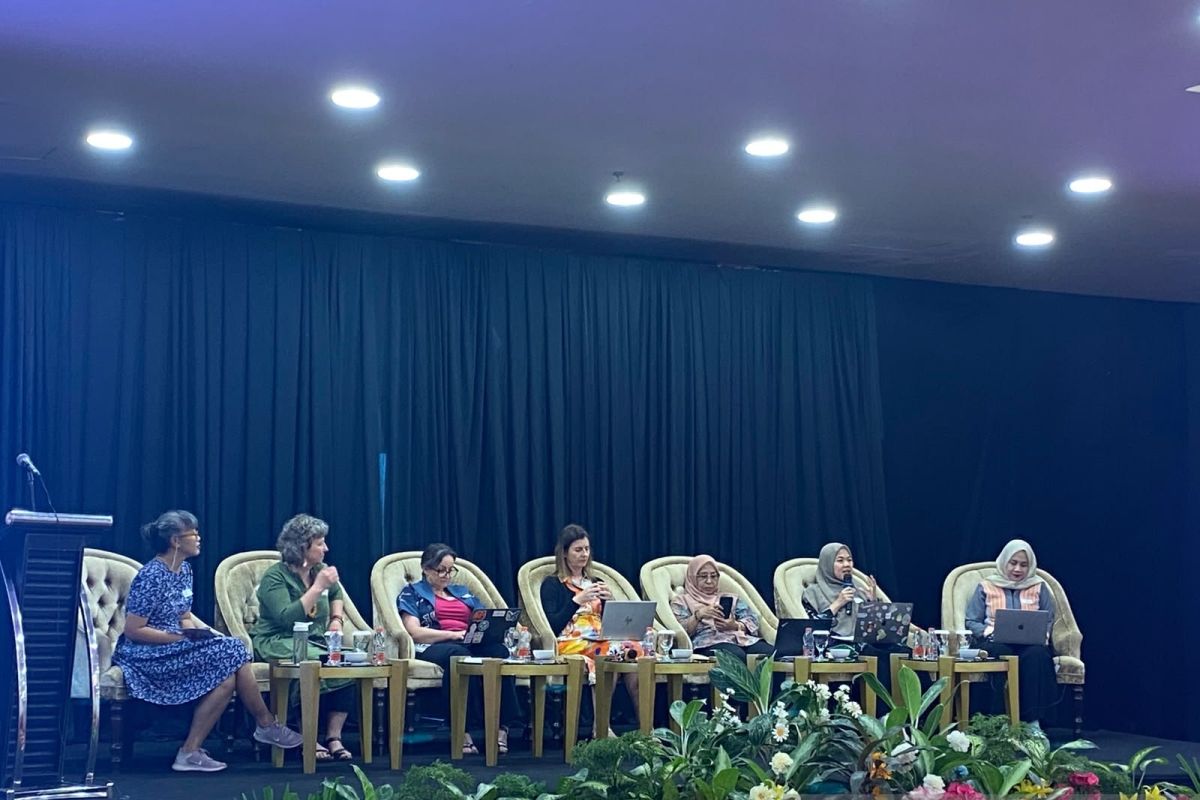
Researchers from the Knowledge, Innovation, and Partnership Collaboration Programme (KONEKSI) have concluded that climate change is placing growing economic pressure on vulnerable groups, especially women, people with disabilities, and the elderly. Dr. Welmince Djulete, a researcher from Kupang, stated that climate change not only affects the environment but also threatens the economic resilience of coastal communities and the agricultural sector. “This phenomenon triggers a decline in both the quantity and quality of fishermen’s catches and farmers’ harvests, leading to economic depression at the family level,” Welmince said during a workshop and panel discussion in Makassar on Wednesday. The KONEKSI programme is a research collaboration between the Indonesian and Australian governments involving Monash University Australia, Monash University Indonesia, Hasanuddin University, and various community-based organisations and strategic partners in Eastern Indonesia. The research, conducted in Makassar, Maros, Gowa, Kupang, and Lombok, focuses on strengthening climate resilience through the development of alternative economic models. The researchers developed a Sustainable Climate Resilience Model through Community Engagement (MoFCREC) for the Eastern Indonesia region. “Our research shows that the greatest impact of climate change on communities is on livelihoods. Economic pressure within families arises because income decreases due to reduced catches or harvests,” Welmince explained. She noted that one key recommendation is the importance of more inclusive budgeting for vulnerable groups, who often face barriers in accessing financing from formal financial institutions because they are deemed not to meet banking requirements. “Friends with disabilities often struggle to obtain credit because of a stigma of distrust. As a result, they are forced to turn to informal loan sharks,” she said. To bridge this gap, the event brought together formal financial institutions and cooperatives to discuss inclusive financing mechanisms for vulnerable groups. Through programmes such as Kredit Usaha Rakyat (KUR) and appropriate mentoring schemes, vulnerable groups in climate-affected areas are expected to gain access to safe, affordable, and low-cost financing to develop alternative businesses. Meanwhile, Rosmiati Sain from LBH APIK South Sulawesi said the economic pressures caused by climate change also trigger new social problems. She explained that economic hardship due to declining income can lead to debt traps, economic violence within households, and even legal issues. “Because of the inability to pay debts on time, these domestic problems often end up in the criminal realm, such as reports of fraud, embezzlement, and increased cases of theft driven by the pressure to meet basic needs,” Rosmiati said. As a follow-up, the research team has compiled a 54-page pocketbook containing adaptation strategies and independent action plans for vulnerable communities. The research findings have also been aligned with the Sustainable Development Goals (SDGs) and the national development agenda. The team submitted policy recommendations to the Makassar City Government and the South Sulawesi Provincial Government as input for future policy formulation and budgeting.